
Electric vehicles (EVs) have become a mainstream choice for environmentally conscious drivers and technology enthusiasts alike. As EV adoption rises, the demand for convenient and efficient home charging solutions has also grown. Among the available options, Level 2 EV chargers stand out as the optimal choice for most households. Offering faster charging speeds, improved energy efficiency, and smart features, Level 2 chargers make daily EV use practical and economical.
This comprehensive guide explores everything you need to know about Home Level 2 EV Chargers, including how they work, installation requirements, cost considerations, smart features, and strategies to minimize electricity costs.
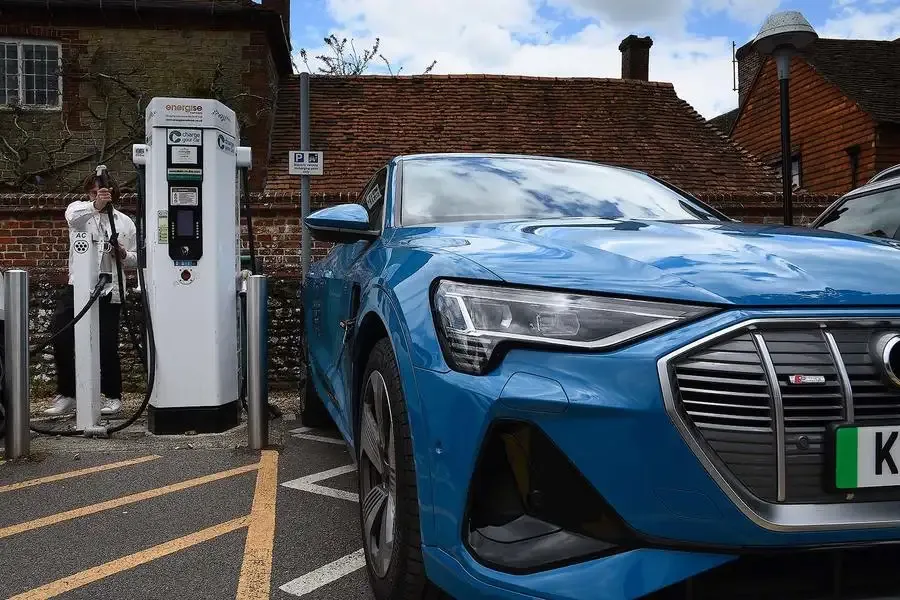
Level 2 EV chargers are designed to operate on a 240-volt electrical circuit, similar to those used by high-powered household appliances such as electric dryers, ovens, or water heaters. Unlike Level 1 chargers, which rely on a standard 120-volt outlet and provide slow charging speeds, Level 2 chargers deliver significantly faster energy transfer, typically adding 20–40 miles of driving range per hour, depending on the vehicle's battery capacity and onboard charger limits. This makes them an ideal solution for daily commuters or households with moderate to high driving demands.
- Higher Voltage (240V): Allows faster charging compared to standard outlets.
- Dedicated Electrical Circuit: Prevents overload and ensures safe operation.
- Professional Installation Required: Ensures compliance with local electrical codes and safety standards.
- Flexible Mounting Options: Can be installed on a wall or pedestal depending on space and convenience.
Level 2 chargers are perfect for drivers who need a reliable, rapid charging solution at home, particularly those with multiple EVs or larger battery packs. By reducing the time required to fully recharge a vehicle from overnight to just a few hours, Level 2 chargers enhance convenience, improve energy efficiency, and support a seamless daily driving routine.
Faster Charging: One of the most significant advantages of Level 2 chargers is speed. While Level 1 chargers may take 8–20 hours to fully charge an EV, a Level 2 charger can typically complete the same task in 3–8 hours. This makes them suitable for overnight charging even for larger battery packs and ensures that EVs are ready for daily use without inconvenience.
Energy Efficiency: Level 2 chargers are more efficient than Level 1 or public DC fast chargers for regular home use. They reduce energy loss during the charging process and optimize power delivery to the battery, which can lead to lower overall electricity costs per mile.
Smart Features: Many Level 2 chargers come with smart capabilities, allowing EV owners to:
Schedule charging during off-peak hours
Monitor energy usage in real time
Receive alerts and notifications about charging status
Integrate with renewable energy sources like solar panels
Safety and Reliability: Level 2 chargers often include advanced safety mechanisms such as:
Ground fault protection
Overcurrent protection
Temperature monitoring
Surge protection
These features ensure safe, reliable charging in a residential environment.
Installing a Level 2 EV charger requires careful planning to ensure safety, compliance, and optimal performance.
Electrical Circuit: A Level 2 charger typically requires a dedicated 240V circuit with sufficient amperage, usually ranging from 30A to 50A, depending on the charger's power output. A professional electrician can assess your home's electrical panel to determine whether an upgrade is needed.
Location and Mounting: Wall-mounted chargers are compact and suitable for garages or driveways.
Pedestal-mounted chargers offer flexibility and are ideal for homes with multiple EVs or outdoor charging needs.
Chargers should be installed near the vehicle parking area to minimize cable extension and tripping hazards.
Permits and Compliance: Local electrical codes may require permits for installing a Level 2 charger. Compliance ensures:
Safe electrical installation
Avoidance of insurance issues
Long-term reliability and protection of the home electrical system
Hardware Costs: Level 2 chargers range in price from $400 to $1,200 depending on features, brand, and power output. High-end chargers with smart features and app connectivity may cost slightly more.
Installation Costs: Professional installation costs vary based on:
Electrical panel capacity and upgrades
Circuit installation
Charger mounting
Permits
Typical installation costs range from $500 to $2,000, though this can vary by region and home electrical configuration.
Electricity Costs: The cost of charging depends on local electricity rates and usage. With off-peak or EV-specific rates, Level 2 home charging can cost 3–7 cents per mile, which is significantly lower than gasoline costs.
Incentives: Many governments and utilities provide incentives, such as:
Tax credits
Rebates on charger purchase
Installation cost reductions
Leveraging these incentives can reduce upfront expenses and make Level 2 chargers more affordable.
When selecting a Level 2 charger, consider:
Power Output: Chargers typically range from 3.3 kW to 19.2 kW.
Choose a charger that matches your EV's maximum onboard charger capacity for optimal speed.
Smart Features: Wi-Fi connectivity for remote monitoring
Scheduling for off-peak charging
Energy reporting and usage analytics
Cable Length and Connector Type: Most chargers come with 18–25 feet (5.5–7.5 meters) of cable.
Ensure compatibility with your EV's connector type (commonly J1772 for most EVs in North America).
Durability and Weatherproofing: Chargers for outdoor installation should be NEMA 4 or IP65 rated.
Robust casing ensures durability against weather, dust, and impact.
Time-of-Use (TOU) Rates: Many utilities offer lower electricity prices during off-peak hours (late night or early morning). Scheduling your Level 2 charger to operate during these periods can dramatically reduce costs.
Energy Management Integration: Smart chargers can integrate with home energy systems to:
Balance load with other appliances
Prevent peak-hour spikes
Optimize energy usage for cost savings
Solar Integration: If your home has solar panels, Level 2 chargers can directly use solar energy, reducing reliance on grid electricity and lowering costs to near zero during daylight hours.
Level 2 EV chargers are built for long-term, reliable use, but like any electrical device, they require routine maintenance to ensure optimal performance and safety. Regular care not only extends the charger's lifespan but also helps prevent potential hazards or downtime.
- Inspect Charging Cables: Regularly check for signs of wear, fraying, or damage to ensure safe power delivery. Damaged cables should be repaired or replaced immediately.
- Check Mounting and Hardware: Ensure the charger is securely mounted, whether wall-mounted or pedestal-mounted, and that all screws, bolts, and brackets remain tight. Loose hardware can compromise safety and performance.
- Clean Connectors and Surfaces: Dust, dirt, and debris can accumulate on charging connectors and the charger surface. Wipe them clean with a soft, dry cloth to maintain good electrical contact and prevent corrosion.
- Update Firmware for Smart Chargers: Smart chargers often receive firmware updates to improve efficiency, enhance safety features, and fix potential bugs. Keeping firmware up-to-date ensures the charger operates at peak performance.
With consistent maintenance and proper care, a Level 2 charger can reliably serve a household for 10 years or more, providing safe, efficient, and convenient EV charging for daily use. Regular attention helps maximize both safety and long-term value.
Feature | Level 1 | Level 2 | DC Fast Charging |
Voltage | 120V | 240V | 400–800V+ |
Charging Speed | 3–5 miles/hour | 20–40 miles/hour | 150–350 miles/hour |
Installation Cost | None | $500–$2,000 | N/A (public) |
Best For | Short commutes | Daily driving | Long-distance trips |
Level 2 chargers strike the perfect balance between speed, cost, and convenience for most home EV users.
Scenario 1: Single EV Household
Commute: 40 miles/day
Charging: Overnight with Level 2, 7 kW charger
Result: Full charge by morning at $0.07 per mile, avoiding public charging fees.
Scenario 2: Multi-EV Household
Two EVs: Tesla and Nissan Leaf
Charging: Dual Level 2 chargers with scheduled off-peak operation
Result: All vehicles charged efficiently overnight, electricity cost minimized, no panel overload.
Scenario 3: Solar-Powered Home
Level 2 charger integrated with solar + home battery
Daytime solar charging and nighttime battery use
Result: Near-zero-cost EV charging with minimal grid reliance
A: Possibly. If your existing panel cannot handle the additional 240V circuit, an upgrade may be necessary.
A: Yes, choose a weatherproof charger rated NEMA 4 or IP65.
A: Not required, but smart features maximize savings and convenience.
A: Usually 2–6 hours, depending on electrical upgrades and mounting requirements.
- Vehicle-to-Grid (V2G) Integration: Home EVs may feed energy back into the grid during peak hours.
- Higher Power Level 2 Chargers: Faster 19.2 kW home chargers becoming available.
- Smart Grid Compatibility: Enhanced demand response and energy optimization.
- Renewable Energy Integration: Solar + battery systems paired with smart chargers will become standard.
These trends will further increase cost efficiency and convenience.
Home Level 2 EV chargers offer a perfect combination of speed, efficiency, and convenience for EV owners. They allow faster daily charging, smart energy management, and cost savings while supporting future-ready technologies like solar integration and V2G systems. For households looking to optimize their EV experience, investing in a Level 2 charger is not just about faster charging—it's about energy efficiency, safety, and long-term cost reduction.
With careful hardware selection, professional installation, and strategic use of smart features and off-peak rates, Level 2 chargers can make EV ownership practical, economical, and future-proof.