
As the global transition toward electric mobility accelerates, charging infrastructure has emerged as one of the most critical factors shaping the adoption of electric vehicles (EVs). While early EV users were willing to accept long charging times in exchange for lower emissions and reduced fuel costs, today's consumers and commercial operators demand speed, convenience, and reliability comparable to traditional refueling. In response, High Power EV Charging (HPC) has rapidly evolved into a cornerstone technology that enables ultra-fast charging, supports long-distance travel, and unlocks new possibilities for electric fleets, logistics, and heavy-duty transportation.
High power charging is no longer a niche innovation reserved for premium vehicles or pilot projects. It is becoming a strategic component of national infrastructure planning, commercial charging networks, and automotive design. With charging capacities exceeding 100 kilowatts—and in some cases approaching or surpassing one megawatt—HPC systems dramatically reduce downtime, improve asset utilization, and make electric vehicles viable across a far broader range of applications. This article explores what high power EV charging is, how it works, the technologies that enable it, and the future trends that will define ultra-fast charging in the coming decade.
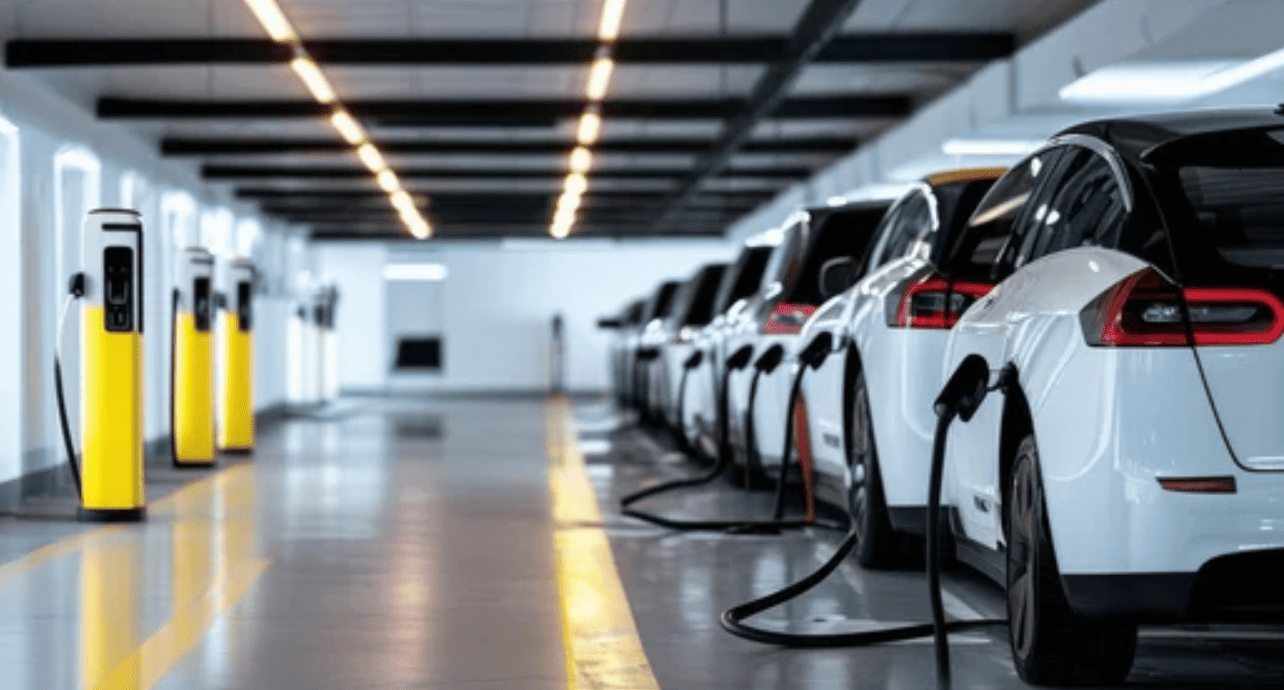
High Power EV Charging (HPC) refers to advanced direct current (DC) charging technology designed to deliver significantly higher power levels than conventional AC or standard DC fast chargers. While AC chargers typically operate at power levels between 3 kW and 22 kW, and early DC fast chargers ranged from 50 kW to 100 kW, HPC systems commonly start at 150 kW and can reach 350 kW or more.
At these power levels, an electric vehicle can replenish a substantial portion of its battery in a very short period of time. Under optimal conditions, many modern EVs can charge from 10% to 80% state of charge in approximately 20 to 30 minutes. This charging window aligns closely with natural rest stops during long-distance travel, significantly reducing “range anxiety” and improving the overall driving experience.
HPC relies on specialized charging stations, robust power electronics, and high-performance connectors such as the Combined Charging System (CCS) and CHAdeMO. In addition, liquid-cooled cables and advanced thermal management systems are essential to safely handle the intense electrical currents involved. By transferring power directly to the vehicle's battery via DC, HPC bypasses the vehicle's onboard AC charger, enabling much faster energy transfer.
The importance of high power EV charging extends well beyond passenger cars. As electrification expands into commercial fleets, public transportation, logistics, and heavy-duty vehicles, charging speed becomes a decisive factor in operational feasibility. A delivery truck, taxi, or long-haul bus cannot afford to remain idle for hours while charging. High power charging minimizes downtime, maximizes vehicle availability, and improves return on investment.
For private consumers, HPC enhances convenience and confidence. Ultra-fast charging enables spontaneous long-distance travel, supports highway corridor electrification, and reduces dependence on home charging alone. For cities and governments, HPC infrastructure supports emissions reduction goals, improves air quality, and future-proofs transportation systems against rising EV adoption.
In short, high power charging is not merely an incremental improvement—it is a fundamental enabler of mass EV adoption across all market segments.
Effective high power charging depends on the seamless integration of several key components. Each plays a vital role in ensuring safety, efficiency, and reliability under extreme electrical and thermal loads.
Not all electric vehicles are capable of high power DC charging. Modern EVs designed for HPC are equipped with lithium-ion battery packs engineered to accept high charging rates without excessive degradation. These vehicles rely on sophisticated onboard charging control units and communication protocols to coordinate power delivery with the charging station.
Older EV models, smaller city cars, and many plug-in hybrid vehicles often lack the battery capacity, cooling systems, or power electronics required for HPC. As a result, they may be limited to lower DC charging speeds or AC charging only. However, as battery technology advances and 800-volt platforms become more widespread, HPC compatibility is rapidly expanding across new vehicle models.
At the heart of high power charging lies the battery. Delivering hundreds of kilowatts in a short time generates significant heat and stress within battery cells. To maintain safety and prolong battery life, advanced Battery Management Systems (BMS) continuously monitor temperature, voltage, current, and state of charge.
Modern BMS software dynamically adjusts charging power in real time, ensuring that the battery operates within optimal parameters. Pre-conditioning strategies—such as heating or cooling the battery before charging—are increasingly common, allowing vehicles to accept higher charging power more efficiently upon arrival at an HPC station. This intelligent balance between speed and longevity is critical to the long-term success of high power charging.
One of the most visible challenges of HPC is heat generation. High electrical currents passing through cables create substantial resistive heat, which can compromise safety and efficiency if not properly managed. To address this, high power charging systems rely on specially designed cables with integrated liquid cooling.
Liquid-cooled DC charging cables circulate coolant through internal channels, dissipating heat and allowing the cable to remain compact and flexible despite carrying extreme power levels. This innovation not only improves safety but also enhances user experience by reducing cable weight and improving handling at public charging stations.
Thermal management extends beyond cables to connectors, power electronics, and internal components of the charging station itself. Effective cooling is essential to ensure consistent performance and long-term durability.
Standardization is a key factor in the global deployment of high power EV charging. Two primary DC fast charging standards dominate the market: CCS and CHAdeMO.
The Combined Charging System (CCS) is the most widely adopted standard globally. It supports both AC and DC charging through a single connector and is available in two main variants. CCS Type 1 (Combo 1) is used primarily in North America and parts of Asia, while CCS Type 2 (Combo 2) is standard in Europe and many other regions. CCS has become the preferred choice for most global automakers and is central to the development of ultra-fast charging infrastructure.
CHAdeMO, originally developed in Japan, has played a significant role in the early evolution of DC fast charging. While its adoption has become more limited in recent years, CHAdeMO continues to evolve and supports high power applications in specific markets and vehicle platforms.
Together, these standards ensure interoperability between vehicles and charging stations, enabling seamless high power charging across different regions and manufacturers.
The future of EV charging is defined by ever-increasing power levels, smarter systems, and deeper integration with vehicles and the electric grid. One of the most significant trends is the transition from traditional 400-volt vehicle architectures to 800-volt systems.
By doubling the system voltage, 800-volt platforms allow vehicles to achieve charging power levels of 350 kW to 500 kW while keeping current relatively low. Lower current reduces resistive losses and heat generation, enabling faster charging, lighter cables, and improved efficiency. This architecture is already being adopted by several leading EV manufacturers and is expected to become mainstream in the coming years.
As charging power increases, advanced liquid cooling is no longer optional. Future HPC systems integrate liquid cooling across batteries, cables, connectors, and power electronics. This holistic approach to thermal management ensures stable performance under extreme conditions and supports the next generation of ultra-fast charging.
Perhaps the most transformative development on the horizon is the Megawatt Charging System (MCS). Designed specifically for heavy-duty applications, MCS is capable of delivering power exceeding 1 megawatt. This standard is essential for electrifying long-haul trucks, buses, maritime vessels, and other high-utilization vehicles.
With MCS, heavy-duty EVs can achieve charging times comparable to diesel refueling, making electric propulsion viable for demanding commercial operations. The introduction of MCS marks a critical step toward decarbonizing freight transport and industrial mobility.
High power charging places substantial demands on the electrical grid. To manage these loads effectively, future HPC infrastructure will rely heavily on smart grid technologies. Load balancing, dynamic pricing, and real-time communication between chargers, utilities, and vehicles will help optimize energy use and prevent grid congestion.
Energy storage systems, such as stationary batteries, are increasingly deployed alongside HPC stations to buffer peak demand and integrate renewable energy sources. By storing energy during off-peak periods and releasing it during high-demand charging sessions, these systems improve grid stability and reduce operational costs.
High Power EV Charging represents a pivotal advancement in the evolution of electric mobility. By enabling ultra-fast charging, reducing downtime, and supporting a wide range of vehicle applications, HPC is transforming how and where electric vehicles can be used. From passenger cars to heavy-duty trucks, high power charging is unlocking new levels of convenience, efficiency, and scalability.
As technologies such as 800-volt architectures, liquid-cooled systems, and megawatt-level charging mature, the boundaries of what is possible with electric transportation will continue to expand. Combined with smart grid integration and standardized connectors, high power charging is poised to become the backbone of a fully electrified transportation ecosystem.
In the years ahead, continued investment, innovation, and collaboration across automakers, charging providers, and energy companies will be essential. With high power EV charging leading the way, the future of mobility is not only electric—it is fast, efficient, and ready for global adoption.
