
As electric vehicles (EVs) continue to gain global momentum, charging infrastructure has become one of the most critical factors shaping the future of e-mobility. Governments, businesses, and private users are all searching for faster, more reliable, and more flexible charging solutions to support the growing number of EVs on the road. Among the many charging options available today, the 60kW EV charger stands out as a balanced solution that combines high-speed performance with broad application potential.
Positioned between low-power AC chargers and ultra-high-power DC fast chargers, the 60kW EV charger has become increasingly popular in commercial environments such as public parking lots, office complexes, fleet depots, shopping centers, and highway service areas. At the same time, some EV owners are beginning to explore whether this level of charging power could also be viable for private or residential use.
This article provides a detailed overview of 60kW EV chargers, explaining how they work, their advantages and limitations, installation considerations, and whether they are truly suitable for home use. By understanding both the technical and practical aspects, readers can make informed decisions about deploying this powerful charging solution.
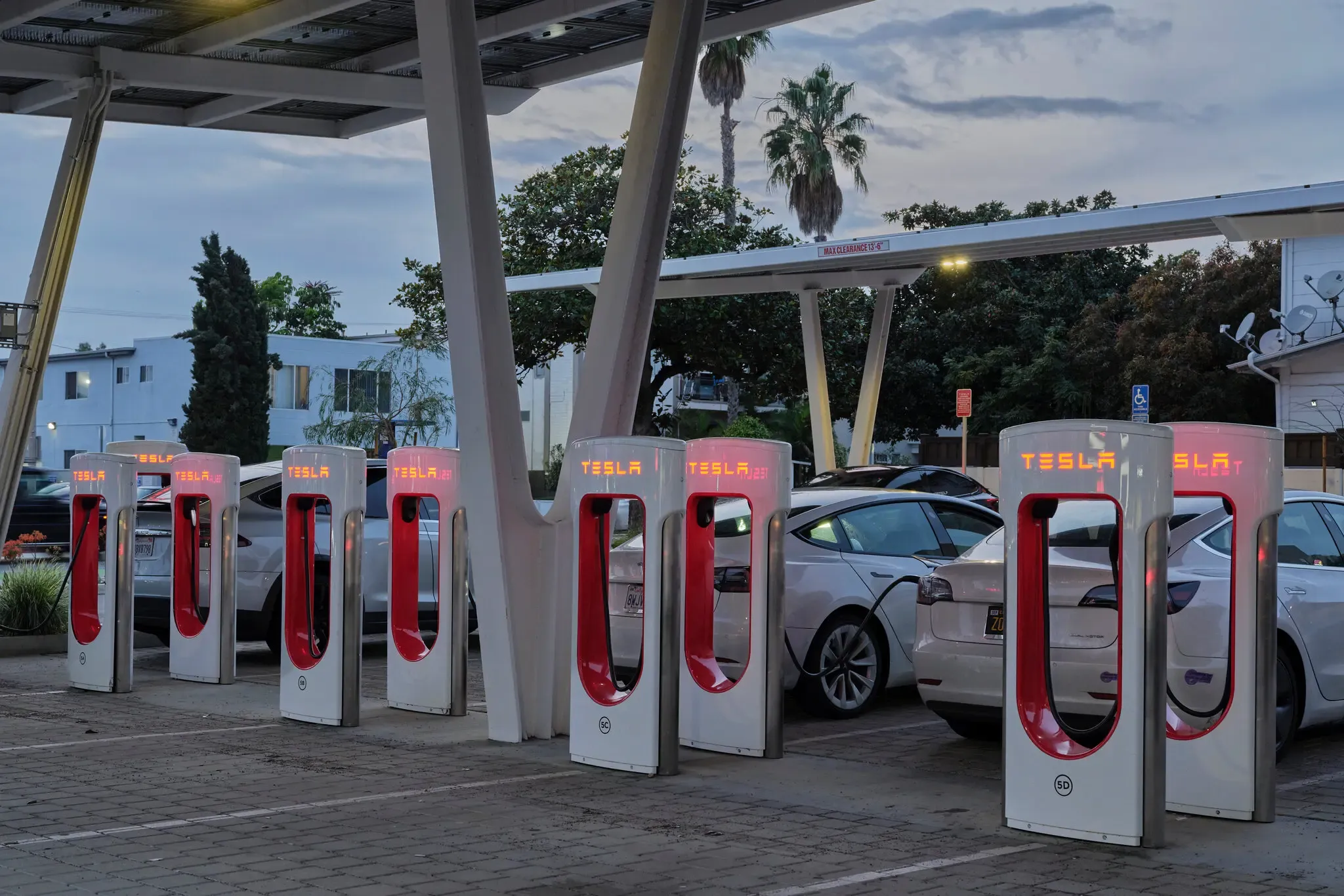
Before examining the specifics of a 60kW EV charger, it is essential to understand the fundamentals of EV charging itself.
Electric vehicles are powered by high-capacity rechargeable battery packs, typically lithium-ion based, which store electrical energy and deliver it to the electric motor. Unlike conventional internal combustion vehicles that require fuel refueling in minutes, EVs must be connected to an electrical power source to replenish their batteries.
EV charging is generally categorized into three levels, based on charging power, voltage, and application scenarios:
Level 1 charging uses a standard household outlet, typically 120V in North America. It requires no special equipment beyond a basic charging cable.
Charging speed: approximately 2–5 miles of range per hour
Best suited for overnight charging or very low daily driving needs
Minimal installation cost but extremely slow charging performance
Level 2 charging operates at 240V and requires dedicated charging equipment.
Charging speed: approximately 10–60 miles of range per hour
Commonly used in homes, workplaces, and public parking areas
Offers a practical balance between cost and charging speed
DC fast charging, also known as Level 3 charging, supplies direct current (DC) directly to the vehicle’s battery, bypassing the onboard charger.
Charging speed: 60–80 miles of range in 20–30 minutes (depending on power level and vehicle capability)
Typically ranges from 30kW to over 350kW
Primarily used in commercial and public charging stations
The 60kW EV charger falls squarely into the DC fast charging category, offering significantly faster charging than AC chargers while avoiding the extreme infrastructure demands of ultra-high-power systems.
A 60kW EV charger is a DC fast charging station capable of delivering up to 60 kilowatts of power directly to an electric vehicle’s battery. Unlike AC chargers, which rely on the vehicle’s onboard charger to convert alternating current into direct current, a 60kW charger performs this conversion internally, enabling much higher charging speeds.
Supplies direct current (DC) directly to the EV battery
Can typically charge an EV from 20% to 80% state of charge within 35–60 minutes, depending on vehicle model and battery size
Supports multiple charging standards such as CCS, CHAdeMO, or GB/T
Designed for frequent use in commercial and semi-public environments
Compatible with a wide range of modern electric vehicles
Thanks to its moderate power rating, the 60kW charger is often considered a “sweet spot” for fast charging—fast enough to significantly reduce charging time while remaining cost-effective compared to higher-power DC systems.
The operation of a 60kW EV charger involves several coordinated processes that ensure safe, efficient, and reliable charging.
First, the charger draws AC power from the electrical grid. This power is then converted into high-voltage DC using internal rectifiers and power electronics. The charger communicates with the vehicle’s battery management system (BMS) to determine the optimal charging voltage and current.
Once communication is established, the charger supplies DC power directly to the battery. During the initial phase, the charger delivers high current to rapidly increase the battery’s charge level. As the battery approaches higher states of charge, the system gradually reduces power to protect battery health and prevent overheating.
Advanced 60kW chargers also include built-in safety features such as overcurrent protection, temperature monitoring, insulation detection, and emergency shut-off mechanisms. These features ensure stable operation even during continuous or high-demand usage.
The most compelling advantage of a 60kW EV charger is its charging speed. Compared to AC chargers, the difference is dramatic.
For example, an EV equipped with a 60kWh battery could theoretically be charged from empty to full in approximately one hour under ideal conditions. In real-world scenarios, charging from 20% to 80%—the most common fast-charging window—can often be completed in under 45 minutes.
In contrast, a 7kW Level 2 charger may require 8 to 9 hours to achieve a full charge. This speed advantage makes 60kW chargers particularly valuable for drivers with busy schedules, commercial fleets, and high-traffic locations.
The 60kW EV charger is especially well-suited for commercial environments where vehicle turnaround time is critical. Shopping malls, office parks, hotels, logistics hubs, and fleet operators all benefit from faster charging that minimizes vehicle downtime.
For businesses, faster charging translates into higher charger utilization rates and improved customer satisfaction. For fleet operators, it means vehicles can return to service more quickly, improving overall operational efficiency.
As EV technology evolves, battery capacities continue to increase. Vehicles with 70kWh, 80kWh, or even larger batteries are becoming increasingly common.
A 60kW charger offers sufficient power to accommodate these larger batteries without becoming obsolete in the near future. Investing in this level of charging infrastructure helps ensure long-term compatibility with next-generation EV models.
For users who install a 60kW charger on private property, flexibility is a major benefit. Public charging stations can be crowded, offline, or inconveniently located. Having access to high-speed charging on-site reduces reliance on public infrastructure and provides greater control over charging schedules.
One of the most significant drawbacks of a 60kW EV charger is the cost of installation. Unlike Level 2 chargers, a 60kW DC charger typically requires substantial electrical infrastructure upgrades.
These may include:
Dedicated high-voltage power lines
Upgraded transformers
Electrical panel reinforcement
Professional electrical design and permitting
Installation costs can easily reach several thousand dollars or more, depending on site conditions and local regulations.
A 60kW charger draws a large amount of electricity in a short period of time. For frequent users, this can result in noticeably higher electricity bills, particularly in regions with high energy tariffs or demand charges.
For residential users, this level of power consumption may strain household electrical systems and increase peak demand costs.
Physically, a 60kW charger requires more space than lower-power units. It may need additional clearance for ventilation, cooling systems, and electrical cabinets. Outdoor installations must also consider weather protection, mounting structures, and safety barriers.
The installation of a 60kW DC charger is fundamentally different from that of lower-power charging stations.
A robust electrical supply is mandatory. Most 60kW chargers require a three-phase power connection and a stable grid supply. In many cases, utility approval is required before installation can proceed.
By comparison, lower-power options such as 20kW or 40kW wall-mounted DC chargers are easier and faster to install. These chargers often require less extensive grid upgrades and can be integrated into existing electrical systems with fewer modifications.
As a result, site assessment and professional planning are critical when considering a 60kW charger.
Whether a 60kW EV charger is suitable for residential use depends heavily on individual circumstances.
For homeowners with:
A large installation budget
Sufficient electrical capacity
A strong need for ultra-fast charging
Adequate space for equipment
A 60kW charger can provide unmatched convenience and charging speed.
However, for most residential users, the disadvantages often outweigh the benefits. Level 2 chargers typically meet daily charging needs at a fraction of the cost and complexity. Overnight charging with a 7kW or 11kW charger is sufficient for the majority of drivers.
The 60kW EV charger represents a powerful and versatile solution in today’s evolving electric vehicle charging landscape. Offering a compelling balance between speed, cost, and infrastructure requirements, it is ideally suited for commercial, public, and fleet applications where fast turnaround times are essential.
While technically feasible for residential use under certain conditions, its high installation cost and energy demands mean it is best reserved for locations that can fully leverage its capabilities.
As EV adoption continues to accelerate worldwide, 60kW EV chargers will play an increasingly important role in bridging the gap between everyday AC charging and ultra-high-power DC fast charging—supporting a more efficient, accessible, and sustainable electric mobility ecosystem.
