
The electric vehicle (EV) revolution is gaining momentum, with more consumers making the switch to cleaner, more sustainable transportation. As the demand for EVs increases, so does the need for reliable and efficient charging solutions. Installing an EV charger, whether for personal use at home or for a commercial establishment, requires more than just plugging in a device. It involves a complex process that needs professional expertise to ensure the installation is done safely, efficiently, and in compliance with local regulations.
For homeowners and businesses alike, choosing the right EV charger installer is essential to guarantee the charger performs optimally and lasts for years. In this guide, we will take you through everything you need to know when selecting an EV charger installer, from understanding qualifications to exploring the installation process. By the end of this article, you'll be equipped to make an informed decision and avoid any potential pitfalls.
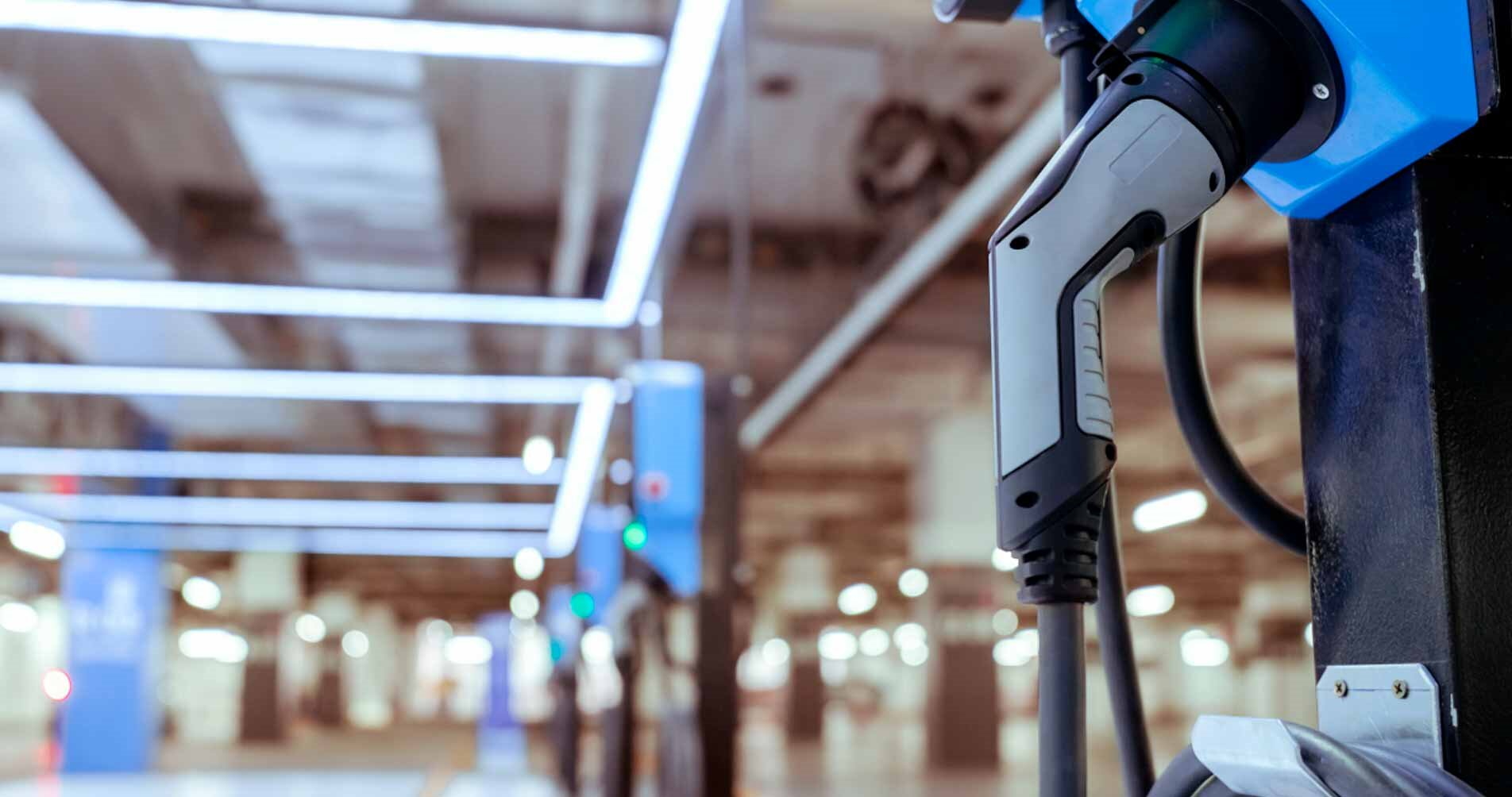
Before diving into the specifics of how to choose an installer, it's important to understand why this decision is so crucial.
- Safety: EV chargers work with high voltage systems, meaning any installation mishandled can result in serious risks, including electrical fires or equipment malfunctions. A qualified installer ensures that everything is done according to safety standards, minimizing the chance of accidents.
- Optimal Performance: A professional installer will know how to optimize your system for efficiency, ensuring that the charger operates at its maximum potential. This includes placing the charger in an ideal location, adjusting settings to minimize energy use, and avoiding installation mistakes that could hinder performance.
- Legal Compliance: Different regions have different codes and regulations regarding electrical work. Hiring an installer who is well-versed in local building and electrical codes ensures that your installation is compliant, avoiding potential fines and complications in the future.
- Long-Term Cost Savings: While DIY solutions or cheaper installations may seem attractive, they often end up costing more in the long run due to the need for repairs, replacements, or inefficient setups. A qualified installer helps you make an investment that will pay off in the form of reliable, efficient charging and fewer issues down the road.
- Peace of Mind: With the right installer, you won't have to worry about subpar workmanship or being left in the dark when something goes wrong. The best installers provide excellent customer service, support, and warranties, ensuring you have someone to call if any issues arise.
The first step to selecting an EV charger installer is to check that they are licensed and certified for electrical work. Here's what to look for:
- Electrical Contractor License: This is the baseline qualification for any electrician. Make sure the installer has the appropriate electrical contractor license for your location, as this ensures they are legally qualified to do the necessary electrical work in your home or business.
- EV Charger Certification: Some installers specialize in EV charger installations and are certified to handle specific charger models or types. For example, the Electric Vehicle Infrastructure Training Program (EVITP) certification ensures that the installer is trained in the latest EV charger installation techniques, safety standards, and best practices.
- Insurance: Ensure that the installer has the necessary insurance, including liability coverage. This protects you in case something goes wrong during installation, such as damage to your property or an accident that occurs while the work is being completed.
While any licensed electrician can technically install an EV charger, experience is key when it comes to ensuring a successful and smooth installation. Ask potential installers the following:
- How many EV chargers have they installed?
- What types of chargers do they specialize in (Level 1, Level 2, DC fast chargers)?
- Are they familiar with the latest technology and best practices?
Specialized experience in EV charger installation is vital, as these systems require knowledge of both electrical work and the specific demands of EV charging systems. An installer with experience in this field will be familiar with common challenges, such as electrical panel upgrades, circuit installations, and smart home integration, ensuring the work is done efficiently and without delays.
The reputation of the installer is an excellent indicator of the quality of service you can expect. Check online reviews, customer testimonials, and ask for references from previous clients. Focus on the following aspects:
- Work Quality: Did the installer complete the job to a high standard, adhering to all safety and legal requirements?
- Customer Service: Was the installer communicative, friendly, and professional throughout the process?
- Post-Installation Support: Did the installer provide clear instructions and offer assistance if you had questions after the installation?
You can find reviews on platforms like Google, Yelp, or the Better Business Bureau. Be sure to read through both positive and negative feedback to get a balanced perspective.
The cost of installing an EV charger varies depending on several factors, including the type of charger, the complexity of the installation, and your location. While it's tempting to go with the cheapest option, it's important to balance cost with quality. A low-cost option might cut corners, use subpar materials, or fail to address important safety considerations.
Here are some costs you should expect to factor in:
- Labor Fees: Professional labor costs, which can vary depending on region and the complexity of the installation.
- Materials: The cost of the EV charger itself, as well as any wiring, circuit breakers, or other materials necessary for the installation.
- Permit Fees: Many municipalities require permits for EV charger installations. Ensure the installer is familiar with the permitting process and can handle this for you.
- Upgrades: If your electrical panel or wiring needs an upgrade to support the new charger, these costs can add up.
Ensure that you get a detailed quote that breaks down all the costs involved so you're not hit with unexpected fees later on.
There are three main types of EV chargers, each with different installation requirements. Make sure the installer is familiar with the specific type of charger you need.
- Level 1 Chargers: These are the simplest and typically plug into a standard 120-volt outlet. However, they charge much slower compared to higher-level chargers. Installation is usually simple and doesn't require any upgrades to your electrical system.
- Level 2 Chargers: These require a 240-volt outlet and offer faster charging. Installing a Level 2 charger usually involves upgrading your electrical panel and installing a dedicated circuit. This is the most common type of charger for residential use.
- DC Fast Chargers: Common in commercial settings, these chargers provide rapid charging at higher voltages. Installing a DC fast charger requires specialized expertise and may involve significant upgrades to your electrical infrastructure.
A quality installer will offer more than just the initial installation. They should provide ongoing support and warranties for their work. Ensure the installer offers:
- Warranty Coverage: What's covered under the warranty? Does it include labor, parts, and any issues that arise from improper installation?
- Maintenance Services: EV chargers need regular maintenance to ensure they are working efficiently. Ask if the installer offers maintenance services or if they can recommend a maintenance provider.
- Troubleshooting: Make sure the installer is available for troubleshooting if the charger isn't working correctly post-installation.
Before the installation begins, you should have a clear understanding of the process. Here's what to expect:
- Timeline: The installation should take anywhere from a few hours to a couple of days, depending on the complexity. An experienced installer will provide a realistic timeline upfront.
- Pre-Installation Preparations: If your electrical panel or wiring needs an upgrade, this should be done before the charger is installed. The installer should provide a detailed plan of the work to be done.
- Post-Installation Testing: The installer should test the system to ensure everything is working properly and that the charger is safely connected.
To ensure you're making the right choice, here are some important questions to ask during your consultation:
- Are you licensed and insured for electrical work?
- Can you provide references or customer testimonials?
- How many EV chargers have you installed in the past year?
- Will I need any electrical panel upgrades to accommodate the charger?
- What's included in your installation quote, and are there any hidden fees?
- Do you offer post-installation support or maintenance services?
- How long will the installation process take?
Choosing the right EV charger installer is crucial to ensuring your charger works efficiently, safely, and in compliance with all regulations. By considering factors such as certifications, experience, reputation, and post-installation support, you can select an installer who will provide a smooth and reliable installation experience. With the right professional on your side, you’ll be able to charge your electric vehicle with confidence for years to come.