
As electric vehicles (EVs) continue their rapid global adoption, infrastructure innovations are becoming just as crucial as advancements in battery technology. One of the most compelling developments reshaping the EV ecosystem is the All-in-One Portable EV Charger — a charger that combines versatility, power, connectivity, and convenience into a single, compact unit. This breakthrough is redefining how drivers charge their EVs, empowering users with charging access beyond traditional home and public stations.
In this comprehensive industry news coverage, we explore the emergence of all-in-one portable EV chargers, dissect their technical advantages, examine market trends driving demand, highlight real-world user experiences, and analyze how this innovation fits into the broader energy and transportation landscape.
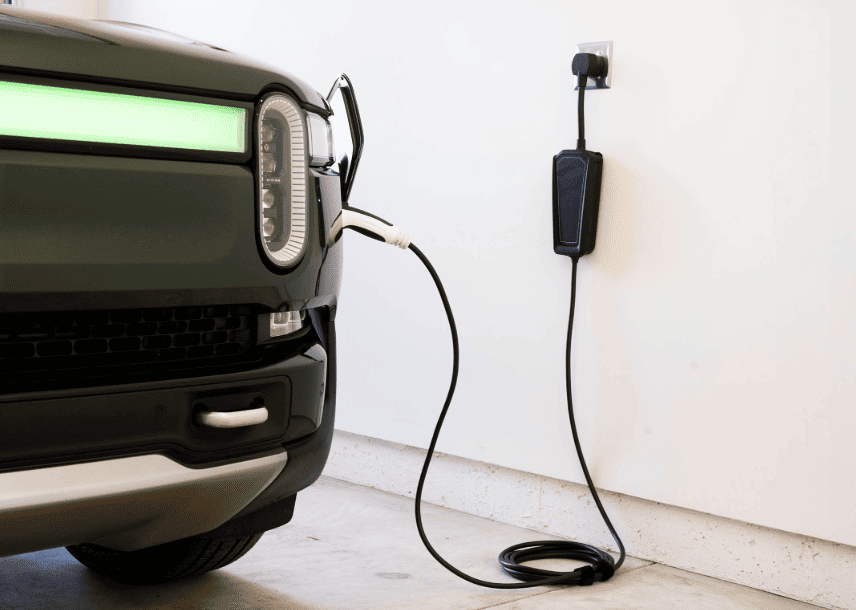
An all-in-one portable EV charger is a compact, integrated charging device designed to provide flexible charging solutions for electric vehicles. Unlike conventional EV chargers that are either stationary (such as Level 2 wall installations) or modular with multiple separate parts, the all-in-one model unifies key components — power conversion, safety systems, user interface, communication/connectivity modules, and ruggedized hardware — within a single portable unit.
Where traditional charging solutions often require professional installation, wired infrastructure, or heavy accessories, all-in-one portable EV chargers are engineered for plug-and-play convenience. Drivers can take them on the road, use them at home, or plug into available power sources in remote locations — dramatically expanding where and how EVs are charged.
With EV sales surging worldwide, charging infrastructure is under intense scrutiny. According to industry analysts, global EV stock surpassed 20 million units in recent years and continues to grow at double-digit annual rates.1 Demand for reliable, accessible charging has created a bottleneck: traditional public charging stations are costly to deploy, and home installations may not always meet drivers' needs due to housing constraints or lack of dedicated parking.
Portable EV chargers — and especially all-in-one designs — help fill that gap by offering:
- Mobility: Drivers can carry their charger like a travel accessory.
- Flexibility: Suitable for home garages, workplaces, hotels, outdoor events, and emergency use.
- Simplicity: No complex installation or infrastructure upgrades.
- Resilience: Useful in power outages or locations with limited grid access.
This flexibility has expanded the appeal of EV ownership to renters, urban dwellers, fleet operators, and commercial travelers alike.
Modern all-in-one portable chargers are engineered to support multiple EV standards, including:
- Type 1 and Type 2 connectors for diverse vehicle makes.
- J1772 and other regional standards for North America, Europe, and Asia.
- Smart communication protocols like OCPP and ISO 15118 for future-proof interoperability.
- This universal support ensures users are not locked into a specific vehicle or network.
Unlike fixed-output chargers, many all-in-one models feature adjustable power settings, enabling:
- Charging from standard wall outlets (120 V/240 V AC) up to higher power levels when paired with compatible infrastructure.
- Intelligent power modulation to protect grid stability and accommodate varied electrical environments.
- This flexibility is especially important in areas with inconsistent electrical supply.
Charging EVs involves high current and sophisticated power conversion. The best portable chargers integrate:
- Overvoltage and undervoltage protection
- Temperature monitoring and thermal shutdown
- Short-circuit protection
- Ground fault detection
- Surge suppression
These safety systems are critical for preventing electrical hazards and extending device longevity — especially in mobile or outdoor conditions.
All-in-one portable chargers increasingly include smart features:
- Bluetooth/Wi-Fi/4G connectivity for remote monitoring and control
- Mobile apps with scheduling, usage statistics, and notifications
- Cloud connectivity for firmware updates and diagnostics
- These features elevate the charging experience from a basic utility to a connected service.
Portability means durability. Advanced models are built with:
- IP54+ weatherproof enclosures
- Reinforced handles and rugged housings
- Lightweight yet robust materials for frequent transport
This makes them suitable for road trips, remote job sites, and even emergency response scenarios.
Several broader trends are accelerating the adoption of all-in-one portable EV chargers:
Early EV adopters were often homeowners with dedicated garages. As EVs reach mainstream buyers — including apartment dwellers and vehicle fleets — portable charging fills critical gaps in access.
Remote work, digital nomadism, and increased road travel post-pandemic have boosted demand for charging flexibility. A portable charger becomes as essential as a spare tire.
Government incentives that subsidize EV charging infrastructure are increasingly recognizing off-grid and flexible solutions. This creates a supportive policy environment for portable chargers.
Delivery fleets, ride-hailing services, and corporate vehicle programs often lack centralized charging infrastructure. Portable all-in-one units offer a cost-effective way to keep vehicles operational without heavy infrastructure investment.
To illustrate real-world impact, consider the experience of an EV owner, Sarah, who drives a popular electric SUV.
Sarah lives in a rented condo with limited access to charging stations. Previously, she relied on public chargers — which were often busy or far from her home. After purchasing an all-in-one portable EV charger, her daily routine changed:
- Morning: She plugs into a standard 240 V outlet in her parking area before work.
- Midday: An app notification alerts her that charging has completed.
- Weekend Road Trip: She connects to compatible outlets at campgrounds and roadside rest areas.
- Emergency: When a grid outage cuts power to her neighborhood, the charger still operates off a portable generator.
For Sarah, the all-in-one portable charger became indispensable — transforming limitations into convenience.
Feature | All-in-One Portable Charger | Home Installed Level 2 Charger | Public Fast Charger |
Installation Required | None | Yes (professional needed) | N/A |
Portability | High | None | None |
Power Output | Medium to High | High | Very High |
Use Cases | Flexible/Mobile | Home | Travel/Public |
Connectivity | Smart Built-In | Varies | Varies |
Cost | Moderate | Moderate to High | High (per use) |
This comparison shows that portable units don't replace high-power public chargers but complement the charging ecosystem by adding flexibility where fixed infrastructure falls short.
While the benefits are significant, all-in-one portable chargers do face challenges:
Portable models typically don't deliver the ultra-high power of DC fast chargers, meaning charging times can be longer. However, for overnight charging and flexible use scenarios, their output is effective.
Portable chargers still require an electrical supply — whether from a dedicated outlet, generator, or adapter — which may limit use in extremely remote settings.
Ensuring compatibility with all vehicle models and regional regulations requires rigorous testing and certification.
Despite these considerations, ongoing innovation continues to improve performance and widen applicability.
According to industry forecasts, the portable EV charger market is poised for robust growth over the next decade, driven by:
- Expansion of EV fleets in emerging markets
- Policy support for charging infrastructure innovation
- Increasing consumer demand for flexible charging solutions
- Advances in power electronics and battery management systems
Analysts predict that portable chargers could grow at a compound annual growth rate (CAGR) exceeding 25% through 2030 — underscoring their rising strategic importance.
Delivery and logistics companies are piloting portable charging solutions to keep vehicles moving without building costly on-site infrastructure.
Portable chargers are being included in response kits to support electric emergency vehicles during disasters or power grid failures.
In regions with sparse public infrastructure, portable chargers bring electrification to remote communities and off-grid installations.
Campgrounds, resorts, and travel destinations are equipping amenities with power hookups compatible with portable EV chargers — elevating guest experience.
One of the most transformative aspects of all-in-one portable chargers is their connectivity layer. Through mobile apps and cloud integration, users gain insights such as:
- Charging history and energy consumption
- Predictive scheduling for off-peak rates
- Remote diagnostics and firmware updates
- Integration with home energy systems (e.g., solar + battery)
By turning chargers into smart devices, manufacturers unlock new value for users and enable data-driven optimization.
Portable chargers also contribute to broader sustainability goals:
- Enabling EV adoption in places without traditional infrastructure
- Supporting energy management by allowing flexible load distribution
- Reducing dependence on fossil fuels as more EVs enter the mainstream
When coupled with renewable energy sources — such as solar generators — portable chargers can further reduce emissions and grid strain.
The rapid pace of innovation suggests that the next generation of portable EV chargers will feature:
- Higher power densities for faster charging
- Enhanced modularity with swappable battery packs
- AI-enabled charging optimization
- Seamless integration with vehicle and grid ecosystems
These advancements promise to expand both performance and accessibility.
The all-in-one portable EV charger represents a paradigm shift in how electric vehicles are powered. By combining compactness, versatility, and smart connectivity, it unlocks charging possibilities far beyond traditional fixed installations.
As EV adoption accelerates worldwide, portable chargers are poised to play an increasingly central role — not just as convenience tools, but as critical infrastructure enablers that democratize access to clean transportation.
Whether for individual drivers, commercial fleets, rural communities, or emergency responders, the all-in-one portable EV charger is accelerating the EV revolution — one charge at a time.