
Electric vehicles (EVs) are transforming the way the world moves, and as their adoption accelerates, the need for fast, reliable, and standardized charging infrastructure becomes critical. Among the various charging solutions available today, the Combined Charging System (CCS) stands out as one of the most significant innovations shaping the EV landscape. By combining alternating current (AC) and direct current (DC) charging in a single interface, CCS EV chargers enable high-speed, interoperable, and globally compatible charging for a wide range of vehicles — from compact passenger cars to heavy-duty trucks and buses.
As battery sizes increase, long-distance travel becomes more common, and energy efficiency grows in importance, CCS EV chargers are emerging as a cornerstone of modern transportation electrification. This article explores what CCS is, how it works, why it matters, its technical advantages, comparisons with other charging standards, and the future outlook for the technology.
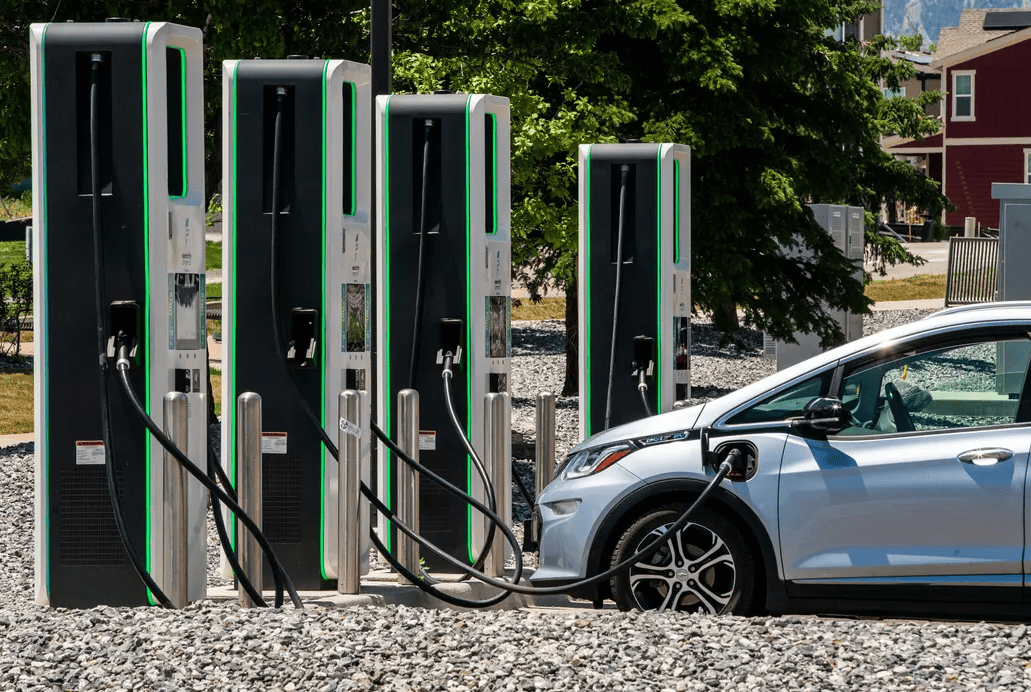
The Combined Charging System (CCS) is a universal standard developed to integrate both AC and DC charging into a single connector. It was created to address the challenges of a fragmented EV charging market, where different regions and manufacturers had previously relied on varying standards, such as J1772 (Type 1), Type 2 (Mennekes), CHAdeMO, and Tesla's proprietary connectors.
CCS combines the familiar AC pins of traditional connectors with two additional DC pins, allowing vehicles to charge via either AC or high-power DC using the same port. This design eliminates the need for multiple charging ports, reducing complexity for automakers and improving convenience for EV owners.
CCS comes in two primary variations:
- CCS1 – Predominantly used in North America, based on the J1772 Type 1 AC connector.
- CCS2 – Widely used in Europe, Asia-Pacific, and other regions, based on the Type 2 AC connector.
While CCS1 and CCS2 differ in AC connector configurations, they share the same DC fast-charging principles and communication protocols, ensuring interoperability within their regions.

CCS chargers are versatile because they allow both AC and DC charging through a single interface. Understanding the differences is key to appreciating its value.
AC charging is the traditional form of EV charging, where alternating current from the grid is delivered to the vehicle. The onboard charger in the EV converts AC into DC to charge the battery. AC charging is ideal for:
- Homes and workplaces
- Extended parking periods
- Moderate-range top-ups
Typical AC charging speeds using CCS range from 3.7 kW to 22 kW, depending on the onboard charger and electrical infrastructure.
DC fast charging bypasses the vehicle's onboard charger, delivering direct current directly to the battery. This enables ultra-fast charging, reducing the time needed to replenish a battery from zero to 80% in as little as 15–30 minutes, depending on the EV and charger power rating.
CCS DC chargers can deliver power up to 350 kW, supporting high-capacity batteries, heavy-duty vehicles, and long-distance travel.
CCS is not just a technical standard — it is a driving force behind the growth of EV adoption worldwide. Its significance lies in several key areas:
Modern EVs often feature large battery packs exceeding 70–100 kWh. Slow chargers can take 10–12 hours or more to fully recharge such batteries. CCS's high-power DC capabilities allow drivers to recover hundreds of miles of range in under an hour, making EV ownership more convenient for long trips and commercial applications.
CCS was developed through collaboration among major automakers, standardization bodies, and charging network operators. Its widespread adoption ensures cross-brand compatibility, reducing fragmentation and confusion for drivers while enabling more extensive, reliable public charging networks.
CCS supports a wide range of power levels — from moderate AC charging to ultra-high DC charging. This flexibility allows charging networks to scale efficiently, offering slower chargers for everyday use and faster options for long-distance travel or fleet operations.
CCS is designed to evolve with the EV market. It supports high-voltage architectures, smart communication protocols like ISO 15118, and has potential for bidirectional charging, enabling vehicles to supply energy back to homes or the grid.
CCS supports DC fast charging power levels up to 350 kW, enabling:
- Long-distance travel for passenger vehicles
- Heavy-duty EVs such as trucks and buses
- Rapid replenishment of high-capacity batteries
This high-power capability is critical for commercial fleets, highway charging corridors, and emergency charging scenarios.
CCS uses Power Line Communication (PLC) protocols based on ISO 15118 standards, enabling:
- Secure Plug & Charge authentication
- Smart grid integration
- Remote diagnostics and monitoring
- Dynamic load balancing
These features ensure that charging is efficient, safe, and optimized for both the user and the grid.
High-power CCS systems often employ liquid-cooled cables, preventing overheating during rapid charging sessions and enabling sustained high-current delivery without compromising safety or efficiency.
The success of EV adoption depends heavily on robust public charging infrastructure. CCS has become the backbone of many global DC fast-charging networks, supporting:
- Highway rest stops for long-distance travel
- Urban fast-charging hubs
- Fleet depots and commercial vehicle charging stations
Its standardized protocol ensures that vehicles from different manufacturers can access the same charging stations without compatibility issues, promoting a seamless charging experience.
Feature | Level 2 AC | CCS DC Fast |
Power Output | 3.7–22 kW | Up to 350 kW |
Typical Use | Home, workplace | Highway, urban hubs |
Charging Time | Several hours | 15–60 minutes |
Cost | Lower | Higher |
Battery Access | Through onboard charger | Direct DC input |
While Level 2 AC chargers remain essential for daily charging, CCS DC fast chargers are indispensable for long-distance travel and high-capacity batteries.
Electrifying buses, trucks, and commercial vehicles requires higher energy throughput. CCS high-power standards can support the large batteries and rapid turnaround needs of heavy-duty fleets, accelerating the shift to zero-emission commercial transportation.
The North American Charging Standard (NACS), developed by Tesla, has emerged as a competitor in North America. Comparing the two:
Feature | CCS | NACS |
Connector Size | Larger | Compact |
Region | Global | North America (Tesla) |
Communication | ISO 15118 PLC | Tesla protocol |
Adoption | Industry standard | Growing in North America |
While NACS offers a smaller, user-friendly connector, CCS remains dominant internationally and benefits from broad regulatory and industry support.
CCS chargers are increasingly integrated with smart energy management systems, which provide:
- Scheduled charging during off-peak hours
- Dynamic load balancing to prevent grid overload
- Integration with renewable energy sources
- Remote monitoring via mobile applications
These features are crucial as EVs become part of broader home and grid energy ecosystems.
Safety is a critical consideration in high-power charging. CCS incorporates:
- Ground fault detection
- Overcurrent protection
- Temperature monitoring
- Secure digital communication for authentication
These safeguards allow high-current charging to occur reliably without compromising safety.
CCS EV chargers are robust, but proper maintenance ensures long-term performance:
- Inspect cables and connectors for wear, overheating, or damage
- Keep connectors clean and dry to maintain optimal electrical contact
- Check enclosures and mounting for physical damage
- Periodically assess circuit breakers and wiring connections
- Monitor charger performance via smart apps for anomalies
Routine maintenance ensures that high-power chargers operate safely and efficiently for years.
High-power CCS charging reduces charging time, encouraging off-peak energy use and improved integration with renewable energy sources. By enabling faster charging at home, workplaces, and highways, CCS contributes to grid efficiency, lower emissions, and a more sustainable transportation ecosystem.
The global EV market is expected to continue its rapid expansion. CCS EV chargers are central to this growth, with infrastructure investment expanding in North America, Europe, and Asia. Innovations include:
- Megawatt Charging Systems (MCS) for heavy-duty EVs
- Vehicle-to-Grid (V2G) energy sharing
- Enhanced cybersecurity protocols
- Smart, AI-driven load optimization
These trends ensure that CCS remains relevant as EVs evolve toward higher capacities, faster charging, and integration with broader energy systems.
The Combined Charging System is more than just a connector — it is a cornerstone of global EV infrastructure. By unifying AC and DC charging in a single interface, supporting ultra-fast power delivery, and enabling smart, interoperable communication, CCS empowers drivers, automakers, and utilities to accelerate the transition to electrified transportation.
As EV adoption grows and battery sizes increase, CCS ensures that drivers can charge safely, efficiently, and rapidly, whether at home, on the road, or at commercial depots. By combining speed, standardization, and future-ready technology, CCS EV chargers are shaping the next generation of mobility and driving the global shift toward sustainable, zero-emission transportation.