
The global transition toward electric mobility is accelerating as governments, automakers, and consumers increasingly prioritize sustainability and energy efficiency. Electric vehicles (EVs) are no longer a niche technology; they are rapidly becoming a mainstream transportation choice for households around the world. However, the success of EV adoption depends not only on the vehicles themselves but also on the availability of reliable and convenient charging infrastructure.
While public charging stations are expanding in cities and along highways, many EV owners find that the most practical and efficient charging solution is installing an EV charger at home. Residential charging allows drivers to charge their vehicles overnight, avoid waiting at public stations, and enjoy consistent access to energy whenever it is needed.
From faster charging speeds and lower long-term costs to improved convenience and increased property value, home EV charger installation offers numerous advantages. As EV ownership continues to grow, home charging is quickly becoming a fundamental part of modern residential infrastructure.
This article explores the major benefits of installing an EV charger at home, the different types of residential chargers available, and how smart charging technologies are shaping the future of electric vehicle ownership.
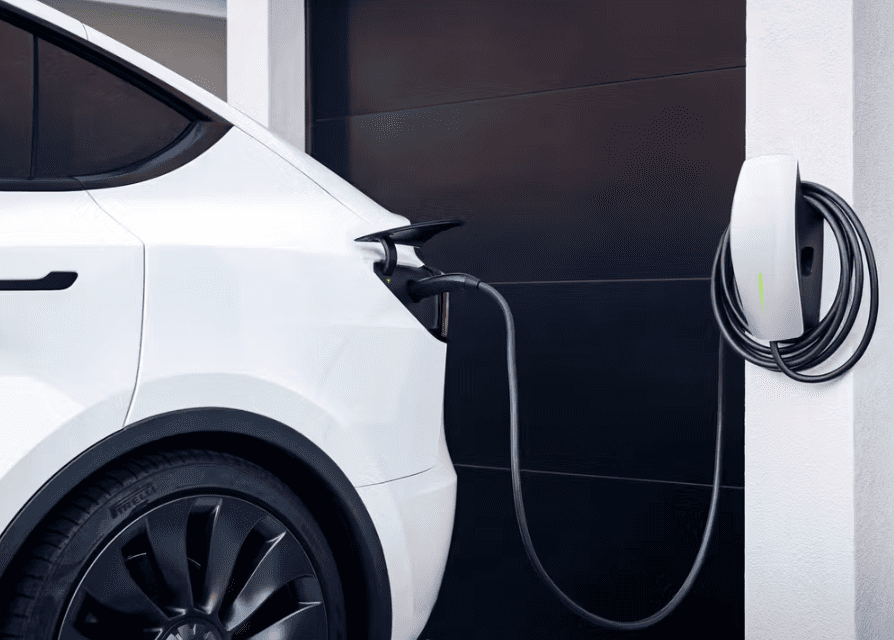
Over the past decade, the global electric vehicle market has experienced remarkable growth. Advances in battery technology, expanded charging infrastructure, and supportive government policies have encouraged more consumers to switch from gasoline-powered vehicles to electric alternatives.
Many countries have introduced incentives such as tax credits, purchase subsidies, and emissions regulations designed to accelerate EV adoption. Major automotive manufacturers are also investing billions of dollars in developing new electric models, with many companies planning to transition fully to electric vehicle production in the coming decades.
As EV ownership increases, the demand for convenient and reliable charging solutions is rising as well. While public charging stations are necessary for long-distance travel and urban environments, home charging offers a level of convenience that public infrastructure cannot easily match.
Studies show that a large percentage of EV charging occurs at home. For most drivers, plugging in their vehicle overnight provides sufficient energy for daily commuting and routine travel. This convenience is one of the key reasons why residential EV charger installation has become such an important topic in the electric mobility industry.
One of the most important benefits of installing a home EV charger is significantly faster charging compared to standard household outlets.
Electric vehicles can technically be charged using a regular 120-volt outlet, commonly referred to as Level 1 charging. However, this method provides very slow charging speeds and may not be practical for drivers with regular commuting needs.
A dedicated home Level 2 EV charger, which operates on a 240-volt electrical circuit, can charge a vehicle three to seven times faster than a standard outlet.
Typical Level 2 chargers can add approximately 10 to 60 miles of driving range per hour, depending on the charger capacity and vehicle battery specifications. This means that most EVs can be fully charged overnight.
Faster charging provides several important advantages:
- Vehicles are ready to drive every morning
- Drivers avoid unexpected range limitations
- Charging sessions are shorter and more efficient
- Households with multiple EVs can better manage charging schedules
For daily commuters, faster home charging ensures the vehicle always has sufficient battery range without needing to visit public charging stations during the day.
Convenience is one of the most frequently cited reasons why EV owners choose to install residential chargers.
Public charging stations can sometimes be located far from home or work, and drivers may need to wait for an available charger during busy hours. Planning charging stops can also complicate daily routines, especially for drivers with demanding schedules.
Home charging eliminates these inconveniences entirely.
With a residential EV charger installed in a garage or driveway, drivers can simply plug in their vehicle when they return home and unplug it the next morning. Charging becomes part of a normal daily routine rather than a separate task that requires additional travel time.
This convenience provides several lifestyle benefits:
- No need to search for public charging stations
- No waiting for charging availability
- Charging can occur while the driver sleeps
- Vehicles remain securely parked at home
Over time, the convenience of home charging can significantly improve the overall EV ownership experience.
Installing a dedicated EV charger at home can also improve electrical safety compared to relying on standard outlets or improvised charging solutions.
Level 2 chargers are designed specifically for electric vehicle charging and include built-in safety features such as temperature monitoring, overcurrent protection, and automatic shutdown mechanisms.
Professional installation ensures that the charging system meets local electrical codes and is connected properly to the home's electrical panel.
Key safety benefits include:
- Dedicated circuits that prevent electrical overload
- Ground fault protection systems
- Durable weather-resistant charging equipment
- Proper cable management and installation practices
By contrast, continuously using a standard household outlet for EV charging may place additional stress on electrical wiring, particularly in older homes.
A professionally installed EV charger provides reliable performance while minimizing safety risks.
Another significant advantage of home EV charging is the potential for lower long-term energy costs.
Public charging stations often include service fees or higher electricity pricing, especially for fast charging networks. Drivers who rely exclusively on public chargers may pay considerably more for electricity than those charging at home.
Residential charging allows EV owners to take advantage of lower electricity rates, particularly if their utility company offers time-of-use pricing plans.
With time-of-use plans, electricity is cheaper during off-peak hours, typically late at night or early in the morning. Many smart EV chargers allow users to schedule charging sessions during these lower-cost periods.
Over time, these savings can become substantial.
Additional cost-saving opportunities include:
- Charging vehicles during off-peak electricity hours
- Integrating home chargers with rooftop solar systems
- Using smart energy management systems
- Avoiding public charging service fees
For households that drive frequently or own multiple electric vehicles, these savings can significantly reduce transportation expenses.
The initial cost of installing a home EV charger can vary depending on equipment price, electrical upgrades, and labor requirements. However, many governments and utility providers offer financial incentives that help offset installation costs.
These programs are designed to accelerate the adoption of electric vehicles and reduce greenhouse gas emissions.
Common incentives include:
- Federal tax credits for EV charger installation
- State or provincial rebate programs
- Utility company installation incentives
- Local sustainability grants
In some cases, rebates can cover a significant portion of the installation cost, making residential charging infrastructure much more affordable.
Homeowners interested in installing EV chargers are encouraged to research available programs in their region to maximize potential savings.
Choosing the right EV charger for a home installation depends on several factors, including daily driving distance, available electrical capacity, and future vehicle plans.
The most common residential charging options include Level 1 chargers, Level 2 chargers, and smart EV charging systems.
Level 1 charging is the simplest form of EV charging and requires only a standard 120-volt outlet.
Most electric vehicles are sold with a portable Level 1 charging cable that allows drivers to begin charging immediately without installing additional equipment.
Level 1 chargers typically provide 3 to 5 miles of driving range per hour, which makes them suitable for certain situations.
Common use cases include:
- Short daily commutes
- Charging small EV batteries overnight
- Backup charging for emergencies
- Secondary charging at vacation homes
The primary advantages of Level 1 charging are minimal cost and easy setup. However, the slow charging speed may not meet the needs of drivers who travel longer distances each day.
Level 2 chargers are widely considered the best solution for residential EV charging.
Operating on a 240-volt electrical circuit, these chargers provide significantly faster charging speeds than Level 1 systems.
Most Level 2 chargers deliver 15 to 30 miles of driving range per hour, allowing the majority of EV batteries to recharge completely overnight.
Key benefits of Level 2 charging include:
- Faster charging performance
- Reduced dependence on public charging stations
- Reliable overnight charging
- Compatibility with nearly all EV models
Installation typically requires a dedicated electrical circuit and may involve professional installation by a licensed electrician.
Once installed, Level 2 chargers provide a dependable and convenient charging solution for daily EV use.
Smart EV chargers represent the next generation of residential charging technology. These devices integrate advanced software features that allow homeowners to monitor and control charging through smartphone applications.
Smart charging systems provide a wide range of capabilities, including:
- Remote charging control
- Real-time energy monitoring
- Automatic off-peak charging schedules
- Load balancing for multiple vehicles
- Integration with solar energy systems
For households that own multiple electric vehicles, smart chargers can distribute available power efficiently between vehicles without exceeding electrical capacity.
Smart charging technology also supports future energy innovations such as vehicle-to-home (V2H) and vehicle-to-grid (V2G) systems, which allow EV batteries to store and supply electricity to homes or the electrical grid.
Installing an EV charger at home can also increase the attractiveness of a property in the real estate market.
As electric vehicles become more common, potential homebuyers are increasingly interested in properties that already include EV charging infrastructure.
Homes equipped with charging stations offer immediate convenience for EV-owning buyers and eliminate the need for additional installation after purchase.
Real estate professionals have observed that EV-ready homes can appeal to environmentally conscious buyers and technology-focused homeowners.
In the future, EV charging capability may become as common in homes as high-speed internet connectivity or energy-efficient appliances.
Residential EV charging also contributes to environmental sustainability.
Electric vehicles produce zero tailpipe emissions, which helps reduce air pollution in urban areas. When powered by renewable energy sources such as solar panels, EVs can significantly reduce greenhouse gas emissions.
Home charging supports cleaner transportation in several ways:
- Encouraging wider EV adoption
- Reducing reliance on fossil fuels
- Supporting renewable energy integration
- Lowering overall household carbon emissions
As more households install solar power systems, EV charging can become part of a fully integrated clean energy ecosystem.
The transportation industry is undergoing a major transformation as electric vehicles become the dominant technology in the coming decades.
Many governments have already announced plans to phase out the sale of new gasoline-powered vehicles within the next 10 to 20 years.
Installing an EV charger at home helps homeowners prepare for this future.
Benefits of early installation include:
- Supporting additional EV purchases
- Increasing household energy flexibility
- Enabling integration with smart grid technologies
- Preparing homes for future energy storage systems
As battery technology improves and EV adoption grows, residential charging infrastructure will become a standard component of modern homes.
Installing an EV charger at home provides numerous advantages that enhance the overall electric vehicle ownership experience. Faster charging speeds, improved convenience, increased safety, and lower long-term energy costs make residential charging an attractive solution for modern households.
Level 2 chargers offer the ideal balance of performance and efficiency for most drivers, while smart EV chargers introduce advanced features that allow homeowners to manage energy usage and integrate renewable power sources.
Government incentives and rebate programs are also helping reduce installation costs, making home charging infrastructure more accessible than ever before.
As electric vehicles continue to reshape the global transportation landscape, home EV chargers will play a vital role in supporting convenient, reliable, and sustainable mobility. For homeowners considering the transition to electric vehicles, installing a residential EV charger is not only a practical investment but also an important step toward the future of clean transportation.