
The rapid expansion of electric mobility has transformed how drivers power their vehicles. As more households, businesses, and fleet operators adopt electric vehicles, the demand for flexible and efficient charging infrastructure continues to grow. One technology gaining increasing attention is the dual EV charger, a charging system capable of powering two electric vehicles simultaneously from a single charging station.
Traditionally, a standard EV charger is designed for one vehicle at a time. However, with the growing number of multi-EV households and commercial fleets, installing multiple single chargers can be costly, space-consuming, and complicated from an electrical standpoint. Dual EV chargers offer a practical alternative by allowing two vehicles to share the same charging unit while intelligently managing available power.
By combining convenience, smart energy distribution, and cost efficiency, dual EV chargers are becoming an important part of modern charging infrastructure. They are especially useful in residential garages, apartment complexes, workplaces, public charging stations, and fleet depots where multiple vehicles require regular charging.
This article explores how dual EV chargers work, their key advantages, installation considerations, technological innovations, and their role in shaping the future of electric mobility.
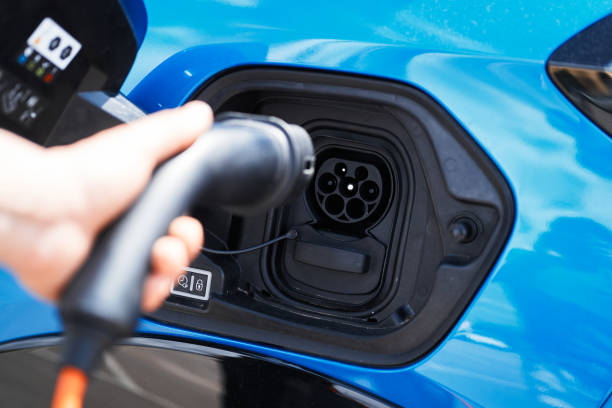
A dual EV charger is an electric vehicle charging station equipped with two charging connectors, allowing it to charge two vehicles at the same time. Unlike traditional chargers that support only a single vehicle, dual chargers distribute available electrical power between two connected cars through intelligent load-sharing technology.
These chargers typically operate at Level 2 charging speeds, delivering significantly faster charging compared to Level 1 home chargers. The charging power is divided between the two connected vehicles when both are plugged in, and if only one vehicle is connected, it can receive the full available power.
For example, a 22 kW dual charger can provide approximately 11 kW per vehicle when two vehicles are charging simultaneously. If only one vehicle is connected, the entire 22 kW output can be delivered to that single car, reducing charging time.
Dual chargers are particularly popular among households with multiple electric vehicles because they offer a convenient solution that eliminates the need for multiple charging stations. Instead of installing two separate chargers and electrical circuits, a single dual unit can handle both vehicles efficiently.
Key characteristics of dual EV chargers include:
- Two charging ports in a single charging station
- Shared electrical circuit for efficient power usage
- Dynamic load sharing to distribute available electricity
- Compact installation that saves wall or floor space
- Simultaneous charging capability
Because of these features, dual EV chargers provide a flexible charging solution for both residential and commercial applications.
The core technology behind dual EV chargers is smart load balancing. This system dynamically manages electrical power to ensure that two vehicles can charge simultaneously without overloading the electrical supply.
When both vehicles are connected, the charger automatically splits the available power between them. If one vehicle disconnects or completes charging, the charger redirects the remaining power to the other vehicle.
For example:
- A 7.4 kW dual charger provides about 3.7 kW to each vehicle when both are connected.
- A 22 kW dual charger provides around 11 kW per vehicle during simultaneous charging.
- If only one vehicle is connected, it receives the full output capacity.
This power distribution is controlled by advanced charging software integrated into the charger's internal controller. The system monitors electrical loads in real time and adjusts charging current accordingly.
Many modern dual chargers also support smart charging features, including:
- Automatic current adjustment
- Scheduled charging sessions
- Mobile app control
- Energy monitoring
- Integration with home energy management systems
These smart capabilities help users optimize electricity usage and avoid peak energy rates.
The adoption of electric vehicles worldwide is accelerating rapidly. According to the International Energy Agency, global EV sales continue to rise each year, creating greater demand for convenient charging solutions at home and in public locations.
As EV ownership grows, households with two or more electric vehicles are becoming more common. This shift has created new challenges for charging infrastructure, particularly in residential settings where electrical capacity may be limited.
Dual EV chargers address these challenges by offering a practical and efficient solution. Instead of installing multiple chargers and upgrading electrical panels, a single dual charger can serve two vehicles using intelligent power distribution.
The result is a system that reduces installation complexity while maximizing charging convenience.
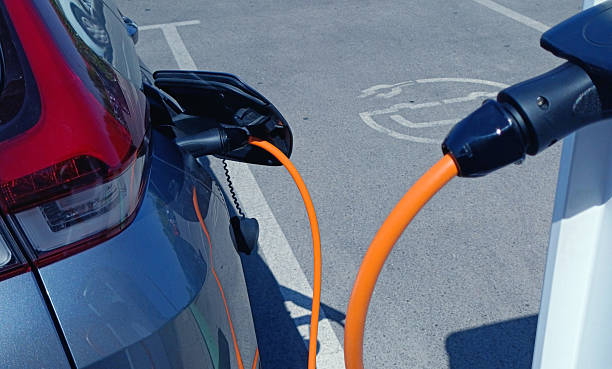
The most obvious advantage of dual chargers is the ability to charge two vehicles at the same time. This eliminates the need to unplug one car and plug in another overnight.
For households where both drivers commute daily, this convenience can significantly simplify charging routines.
Installing two separate charging stations often requires additional wiring, circuit breakers, and electrical panel capacity. A dual charger typically uses a single circuit, reducing installation expenses.
In many cases, homeowners can avoid costly electrical upgrades by installing a dual charger instead of multiple single units.
Dual chargers combine two charging connectors into one compact enclosure. This reduces wall clutter and minimizes installation footprint in garages or parking areas.
For apartment buildings or workplaces where space is limited, dual chargers provide an efficient solution.
Modern dual EV chargers include intelligent load balancing systems that automatically distribute available electricity.
This ensures:
- Safe operation
- Efficient power usage
- No overload of the electrical circuit
Some chargers even adjust output dynamically based on household electricity demand.
As EV ownership continues to grow, installing a dual charger can prepare homes and businesses for future needs. A household with one EV today may own two vehicles tomorrow.
Dual chargers allow users to scale their charging capabilities without installing additional equipment later.
Dual EV chargers are especially useful in multi-EV households. Families that own two electric vehicles often struggle with charging logistics, particularly when both vehicles require overnight charging.
With a dual charger installed in the garage, both vehicles can remain plugged in simultaneously. Smart charging software automatically allocates power between them.
Some residential chargers also include scheduling features that allow users to charge during off-peak electricity hours, helping reduce energy costs.
Dual EV chargers are also becoming popular in commercial settings such as:
- Office buildings
- Shopping centers
- Hotels
- Apartment complexes
- Fleet parking facilities
Businesses can install dual chargers to serve more vehicles while minimizing infrastructure costs. For example, a parking lot that installs ten dual chargers can support twenty vehicles, doubling charging capacity without doubling hardware.
Workplaces benefit from offering employee EV charging, and dual chargers help maximize availability in limited parking areas.
Electric fleets are growing rapidly in sectors such as delivery services, logistics, and ride-sharing. Companies operating electric fleets require reliable and scalable charging solutions.
Dual EV chargers provide several advantages for fleet operators:
- Increased charging density in depots
- Lower installation costs per charging port
- Efficient power distribution across vehicles
- Reduced infrastructure complexity
Fleet operators can install multiple dual chargers to create flexible charging networks capable of supporting large numbers of vehicles.
Most dual EV chargers support common charging connectors such as:
- J1772 connectors used by most EV brands
- Type 2 connectors commonly used in Europe
Some vehicles, including models produced by Tesla, may require adapters when using certain charging standards.
Fortunately, many chargers now support multiple connector types or provide optional adapters to ensure compatibility with a wide range of vehicles.
Modern EV chargers increasingly integrate digital technologies that enhance convenience and efficiency.
Smart dual chargers often include features such as:
- Wi-Fi or Ethernet connectivity
- Mobile app monitoring
- Remote start/stop charging
- Charging statistics and energy tracking
- Integration with solar power systems
Some chargers also support the Open Charge Point Protocol (OCPP), enabling integration with network management platforms for commercial charging stations.
These features allow operators to monitor charging sessions, control access, and manage energy usage more effectively.
While dual chargers offer many advantages, proper installation is essential for safe and reliable operation.
Key factors to consider include:
The building's electrical panel must be capable of supporting the charger's maximum output. Although load sharing reduces the required capacity, professional evaluation is still recommended.
Chargers should be installed in locations where both vehicles can easily access the connectors. Cable length and parking layout should be considered.
Proper circuit breakers and protective devices must be installed to prevent electrical overloads.
Working with a licensed electrician ensures compliance with electrical codes and safety standards.
Despite their advantages, dual EV chargers also have some limitations.
Reduced Charging Speed During Simultaneous Use
When two vehicles are charging simultaneously, the available power must be split between them. This means charging times may be longer compared to using a dedicated charger for each vehicle.
Higher Initial Cost
Dual chargers typically cost more than single chargers. However, when compared to installing two separate units, they often provide better overall value.
Electrical Panel Constraints
In older homes, electrical panels may need upgrades to support higher charging capacities.
As EV technology continues to evolve, dual EV chargers are also becoming more advanced.
Emerging innovations include:
- Dynamic load management across multiple chargers
- Integration with renewable energy systems
- Vehicle-to-grid (V2G) capability
- Artificial intelligence-based energy optimization
- Cloud-connected charging networks
These technologies will allow charging systems to interact with power grids, balance electricity demand, and improve energy efficiency.
The increasing adoption of smart grids and renewable energy sources will further enhance the capabilities of dual EV charging systems.
The EV charging market is expected to expand rapidly over the next decade as governments promote electric mobility and invest in charging infrastructure.
According to global energy reports from the International Energy Agency, the number of electric vehicles worldwide continues to grow each year, driving demand for residential and commercial charging solutions.
Dual EV chargers are expected to play a key role in this expansion because they provide a cost-effective way to increase charging capacity without requiring extensive electrical upgrades.
As technology advances and manufacturing costs decrease, dual chargers will likely become a standard feature in homes and businesses with multiple EVs.
Dual EV chargers represent an innovative and practical solution for the growing challenge of charging multiple electric vehicles efficiently. By allowing two cars to charge simultaneously from a single charging station, these systems provide greater convenience, improved energy management, and reduced installation costs.
Whether used in residential garages, workplace parking areas, apartment complexes, or fleet depots, dual chargers help maximize charging capacity while minimizing infrastructure requirements. Intelligent load balancing technology ensures safe and efficient power distribution, while smart connectivity features allow users to monitor and optimize energy usage.
As electric vehicle adoption continues to accelerate worldwide, dual EV chargers will become increasingly important in supporting the transition to sustainable transportation. Their ability to deliver flexible, scalable, and efficient charging makes them a key component of the future EV charging ecosystem.