
As electric vehicles (EVs) continue to gain global traction, the need for accessible, reliable, and efficient charging infrastructure has become a critical concern—especially in multi-unit residential settings such as condominiums. Unlike single-family homes, where installing a private charger is relatively straightforward, condominiums present unique challenges that require coordination among residents, property managers, and homeowners associations (HOAs).
Condominium EV charging refers to the installation of shared or dedicated charging stations within residential complexes, typically centered around Level 2 charging solutions. These installations often require HOA approval, electrical capacity assessments, and careful planning to ensure fairness, safety, and long-term scalability.
With increasing EV adoption, providing charging solutions is no longer a luxury but a necessity for modern residential developments. This article explores the technical, regulatory, and operational aspects of condominium EV charging, offering a comprehensive guide for property owners, developers, and residents.
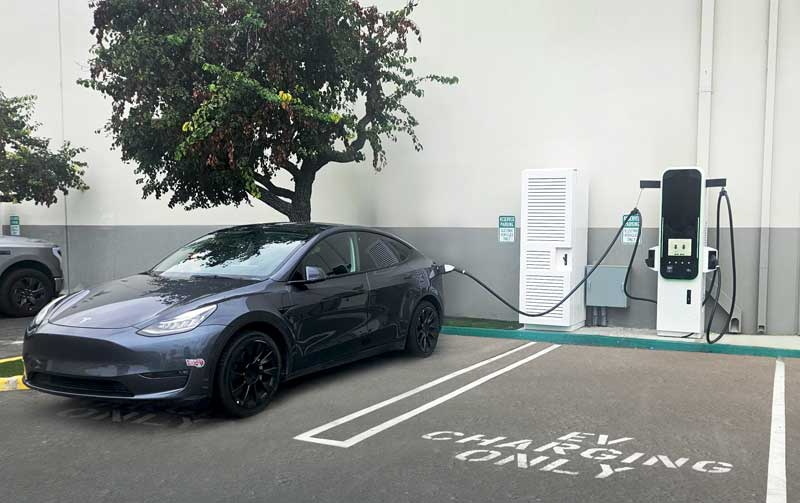
Not all EV chargers are created equal, and selecting the right type is essential for meeting the needs of a diverse residential community. The ideal solution depends on several factors, including electrical infrastructure, available space, usage patterns, and budget considerations.
A well-designed EV charging system in a condominium must balance efficiency, accessibility, and cost-effectiveness while accommodating future growth.
Charging Levels Overview
EV chargers are generally categorized into three levels, each offering different charging speeds and infrastructure requirements.
Level 1 charging uses a standard 120V outlet, commonly found in residential buildings. It provides a charging rate of approximately 3–5 miles of range per hour.
Key Characteristics:
- No special installation required
- Minimal upfront cost
- Suitable for overnight charging
- Limited charging speed
For condominium residents with short daily commutes, Level 1 charging can be sufficient. However, in shared parking environments, its slow speed can create accessibility issues, as vehicles need to remain plugged in for extended periods.
Level 2 chargers operate on a 240V power supply and deliver significantly faster charging speeds—typically 20–40 miles of range per hour.
Advantages:
- Faster and more efficient charging
- Ideal for shared or assigned parking spaces
- Compatible with most EV models
- Supports smart features such as user authentication and billing
Due to their balance of performance and practicality, Level 2 chargers are the most common choice for condominium installations. They enable multiple users to charge their vehicles within reasonable timeframes, making them suitable for community environments.
DC fast chargers (Level 3) offer rapid charging capabilities, delivering up to 150 miles of range in as little as 30 minutes.
Limitations in Condominiums:
- High installation and equipment costs
- Significant electrical demand
- Requires specialized infrastructure
- Not typically necessary for residential use
While DC fast charging is valuable for commercial and highway applications, it is generally impractical for condominium settings due to its complexity and expense.
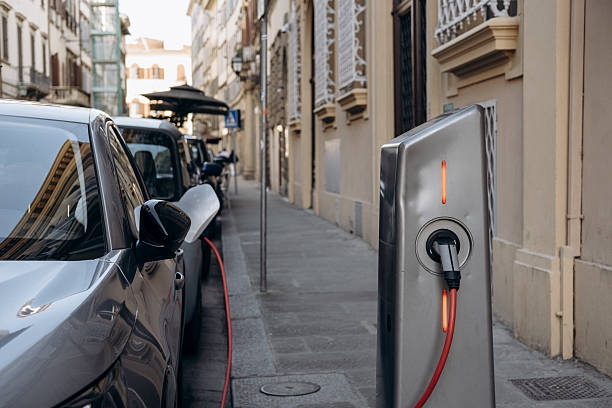
Implementing EV charging infrastructure in a condominium requires a strategic approach that addresses both technical and social factors.
One of the most critical considerations is whether the existing electrical system can support EV charging.
Older buildings may require:
- Panel upgrades
- Transformer enhancements
- Load balancing systems
Load management technologies can help distribute power efficiently, allowing multiple chargers to operate without overloading the system.
The physical layout of the parking area plays a significant role in determining the feasibility of EV charger installation.
Important factors include:
- Distance from electrical panels
- Availability of dedicated parking spaces
- Accessibility for all residents
Strategically placing chargers can reduce installation costs and improve user convenience.
EV adoption is expected to grow rapidly, making it essential to design systems that can scale over time.
Future-proofing strategies include:
- Installing conduit and wiring for additional chargers
- Using modular charging systems
- Implementing smart load management
Planning for future demand can prevent costly retrofits and disruptions.
Determining how to fund EV charging infrastructure is often a complex issue in condominium communities.
Common approaches include:
- Individual ownership (users pay for their own chargers)
- Shared investment (HOA-funded installations)
- Hybrid models (combination of private and shared funding)
Transparent cost allocation ensures fairness and encourages participation.
Accurate billing is essential in shared charging environments.
Modern EV chargers offer:
- User authentication (RFID cards or mobile apps)
- Energy usage tracking
- Automated billing systems
These features simplify cost recovery and reduce administrative burden.
Installing EV charging stations in a condominium involves several coordinated steps to ensure compliance with regulations and community standards.
Begin by examining the HOA's governing documents, including bylaws and architectural guidelines.
These documents may specify:
- Installation procedures
- Approved equipment
- Aesthetic requirements
Understanding these rules early can prevent delays and conflicts.
Open communication with the HOA is essential for gaining approval and support.
Key actions include:
- ներկայացing a detailed proposal
- Addressing concerns about cost and aesthetics
- Providing technical information
Collaboration helps build consensus and streamline the approval process.
Estimate the total cost of installation, including:
- Equipment
- Electrical upgrades
- Labor
- Permits
Determine how costs will be shared among residents or funded through HOA reserves. Some communities may also explore government incentives or rebates.
Clear policies are necessary to ensure fair and efficient use of charging stations.
Policies should address:
- Access rights
- Time limits
- Pricing structures
- Maintenance responsibilities
Well-defined rules minimize disputes and promote equitable access.
A professional site assessment identifies the most suitable locations for chargers.
This includes evaluating:
- Electrical panel proximity
- Parking space configuration
- Safety considerations
The goal is to optimize installation efficiency and user convenience.
A licensed electrician should assess the building's electrical system to determine its ability to support EV charging.
This may involve:
- Load calculations
- Panel inspections
- Recommendations for upgrades
Ensuring adequate capacity is critical for safe and reliable operation.
Choosing the appropriate EV charger is a key decision.
Important features to consider:
- Charging speed (Level 2 recommended)
- Smart capabilities (monitoring and billing)
- Durability and weather resistance
- Compatibility with multiple EV models
Selecting high-quality equipment ensures long-term performance and user satisfaction.
Local regulations often require permits for electrical installations.
Work with qualified contractors to:
- Submit permit applications
- Ensure code compliance
- Schedule inspections
Adhering to regulatory requirements avoids legal issues and ensures safety.
Once approvals are secured, the installation process can begin.
This includes:
- Mounting charging units
- Running electrical wiring
- Integrating software systems
After installation, thorough testing ensures proper functionality.
Maintaining EV charging infrastructure is essential for reliability.
Responsibilities may include:
- Routine inspections
- Software updates
- Repairs and troubleshooting
Assigning clear maintenance roles helps sustain system performance.
Investing in EV charging infrastructure offers numerous advantages for both residents and property owners.
Properties equipped with EV charging are more attractive to buyers and tenants, increasing market competitiveness.
Supporting EV adoption contributes to reduced greenhouse gas emissions and aligns with sustainability goals.
On-site charging eliminates the need for off-site charging, improving the overall living experience.
Installing EV chargers positions the property for future demand, avoiding costly upgrades later.
While the benefits are significant, condominium EV charging also presents challenges.
Challenge: Limited Electrical Capacity
Solution: Implement load management systems and phased installations.
Challenge: High Upfront Costs
Solution: Explore incentives, rebates, and shared funding models.
Challenge: HOA Approval Delays
Solution: Provide clear proposals and engage stakeholders early.
Challenge: Space Constraints
Solution: Optimize charger placement and consider shared usage models.
The EV charging landscape is evolving rapidly, with new technologies and strategies shaping the future.
Smart Charging Networks
Connected systems enable real-time monitoring, dynamic load balancing, and remote management.
Renewable Energy Integration
Combining EV charging with solar energy systems can reduce costs and environmental impact.
Wireless Charging
Although still in development, wireless charging technology may eliminate the need for cables and improve convenience.
Policy and Regulation Support
Governments are increasingly introducing policies that support EV infrastructure in multi-unit dwellings, making installations more accessible.
Condominium EV charging is a vital component of the transition to sustainable transportation. While the process involves technical, financial, and administrative complexities, the long-term benefits far outweigh the challenges.
By understanding charging technologies, planning strategically, and fostering collaboration among stakeholders, condominium communities can successfully implement EV charging solutions that meet current needs and anticipate future demand.
As EV adoption continues to accelerate, forward-thinking condominiums that invest in charging infrastructure today will be better positioned to thrive in the evolving mobility landscape.
