
The electric vehicle market is expanding rapidly as governments, automakers, businesses, and consumers continue investing in cleaner and more sustainable transportation solutions. As EV adoption grows worldwide, reliable charging infrastructure has become essential for supporting daily mobility and long-distance travel. Alongside highway fast chargers, destination EV charging is emerging as a key part of the modern charging network.
Destination EV charging stations are installed at locations where drivers typically park for extended periods, including hotels, shopping malls, restaurants, office buildings, airports, parking garages, and entertainment venues. These charging solutions allow EV owners to conveniently recharge vehicles while shopping, dining, working, or staying overnight.
The rising demand for destination charging reflects increasing expectations for accessible and convenient charging options. Businesses are also recognizing the benefits of offering EV charging services, including attracting customers, supporting sustainability goals, and improving brand value. With advancements in smart charging technology, renewable energy integration, and energy management systems, destination EV charging is expected to play an increasingly important role in the future of electric mobility.
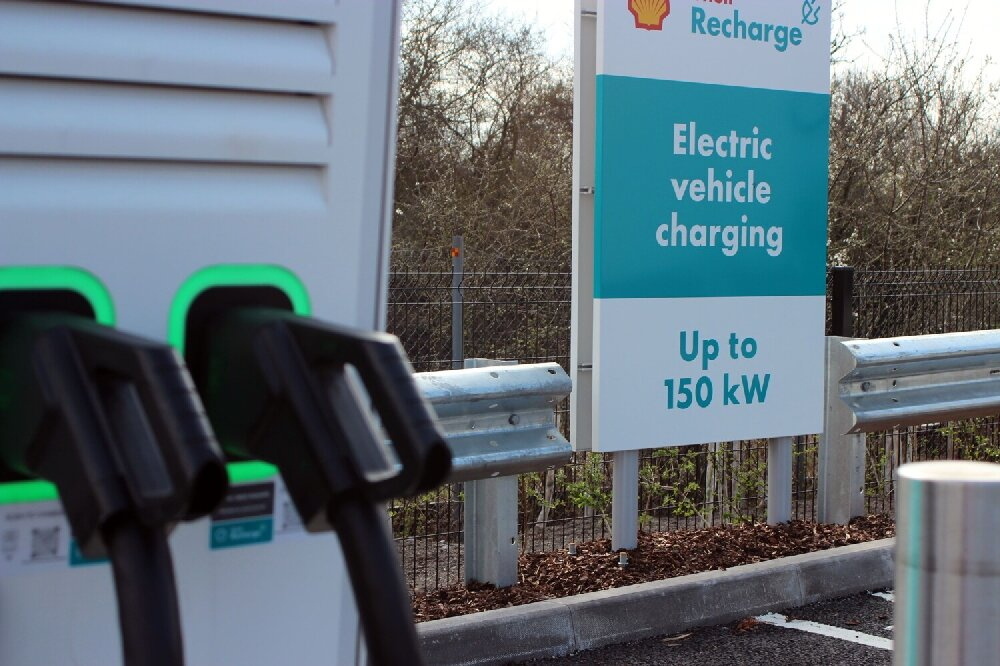
Destination EV charging refers to electric vehicle charging stations located at destinations where vehicles are parked for extended periods. Unlike rapid charging stations designed for quick energy replenishment during long-distance travel, destination chargers focus on convenience and long-duration charging sessions.
These charging stations are commonly installed at locations such as hotels, resorts, retail centers, shopping malls, restaurants, office complexes, airports, hospitals, universities, public parking facilities, and recreational destinations. Since drivers often remain at these locations for several hours, slower charging speeds are usually sufficient to replenish a significant portion of battery capacity.
Most destination charging stations use Level 2 AC chargers because they provide a practical balance between charging speed, installation cost, and energy efficiency. Level 2 charging systems are commonly used in both residential and commercial applications and are well suited for overnight or extended parking situations.
Destination charging supports the growing demand for flexible charging access. Many EV owners rely on a combination of home charging, workplace charging, public charging, and destination charging to meet their transportation needs. For drivers who lack access to private home charging, destination charging may become especially important.
The concept of destination charging also aligns with the broader vision of integrating EV charging seamlessly into daily life. Drivers can recharge vehicles while conducting normal activities without significantly altering their schedules or routines.
Destination charging stations typically operate through networked charging systems that allow drivers to locate, access, and monitor chargers using mobile applications or digital platforms. Drivers connect their vehicles using compatible charging connectors, and charging begins either automatically or after user authentication.
Charging speeds vary depending on several factors, including the charger's power output, the vehicle's onboard charging capacity, battery condition, and site electrical infrastructure. Most destination chargers deliver power levels between 7 kW and 22 kW, which is sufficient for vehicles parked for multiple hours.
For example, an EV parked overnight at a hotel can often reach a full charge before departure the next morning. Similarly, a vehicle parked at a shopping mall for several hours can recover enough range for daily driving needs.
Many modern charging systems also include advanced features such as:
- Remote monitoring
- Mobile payment integration
- Load balancing
- Smart energy management
- Reservation systems
- Real-time charging status updates
- Dynamic pricing controls
These technologies improve user convenience while helping site operators optimize electricity consumption and operational efficiency.
Destination charging is becoming increasingly important as electric vehicle ownership expands globally. Public charging infrastructure alone cannot fully support growing EV demand without widespread deployment across residential, commercial, and public locations.
One of the major advantages of destination charging is that it distributes charging demand across multiple environments instead of concentrating all charging activity at highway fast chargers. This helps reduce congestion at public charging stations while improving charging accessibility.
Destination charging also supports long-distance travel by allowing drivers to recharge during overnight stays or extended visits. Hotels, resorts, and tourist destinations equipped with charging stations make EV travel more convenient and practical.
Urban areas especially benefit from destination charging because many apartment residents lack access to private home chargers. Charging opportunities at workplaces, shopping centers, and public facilities help address this infrastructure gap.
Additionally, visible charging infrastructure increases public confidence in electric mobility. Potential EV buyers are more likely to transition to electric transportation when charging stations are widely available and integrated into everyday locations.
One of the most significant advantages of destination charging is convenience. Drivers can recharge vehicles while participating in routine activities without waiting specifically for charging to finish.
This passive charging model saves time and simplifies EV ownership. Charging becomes part of normal daily behavior rather than a separate task requiring dedicated travel or waiting periods.
Range anxiety remains a concern for some potential EV buyers. Destination charging helps alleviate this concern by expanding charging availability across more locations.
When drivers know charging stations are available at hotels, restaurants, shopping centers, and workplaces, they feel more comfortable traveling longer distances and relying on electric vehicles for daily transportation.
Businesses offering EV charging often attract additional customers. EV drivers may choose hotels, retail stores, restaurants, or entertainment venues specifically because charging services are available.
Charging infrastructure can therefore become a competitive advantage in industries where customer convenience strongly influences purchasing decisions.
Charging encourages customers to remain at locations longer, potentially increasing spending and customer engagement. Retail centers and restaurants may benefit from increased dwell time as drivers wait for vehicles to charge.
This creates additional revenue opportunities while improving the overall customer experience.
Installing EV charging stations demonstrates environmental responsibility and commitment to sustainability. Businesses increasingly use charging infrastructure to support corporate sustainability goals and strengthen environmental branding.
Consumers are becoming more environmentally conscious, and companies investing in green infrastructure may improve public perception and customer loyalty.
Workplace charging programs encourage employees to transition to electric vehicles by providing convenient daytime charging access. Employers offering EV charging may also improve employee satisfaction and retention.
Corporate sustainability initiatives frequently include transportation electrification as part of broader environmental strategies.
Hotels and resorts represent one of the most important markets for destination EV charging. Overnight parking provides ideal conditions for Level 2 charging because vehicles remain connected for extended periods.
Travelers increasingly consider charging availability when selecting accommodations. Hotels equipped with EV chargers can appeal to a growing segment of environmentally conscious travelers.
Benefits for hospitality businesses include:
- Improved guest satisfaction
- Increased booking competitiveness
- Positive customer reviews
- Enhanced sustainability reputation
- Attraction of premium travelers
Luxury hotels, business hotels, eco-resorts, and vacation properties are all investing in charging infrastructure to meet evolving customer expectations.
Some hospitality providers also integrate charging reservations into hotel booking systems, ensuring convenient access for guests upon arrival.
Shopping malls, retail centers, grocery stores, and entertainment complexes are also major users of destination charging systems. Since customers often spend several hours at these locations, charging sessions can effectively replenish vehicle batteries during normal visits.
Retail businesses benefit from charging infrastructure in several ways:
Increased customer traffic
- Longer shopping duration
- Improved customer convenience
- Enhanced sustainability branding
- Competitive differentiation
Some retailers provide complimentary charging services as a promotional benefit, while others charge fees based on electricity usage or parking duration.
Charging stations located near store entrances also improve visibility and demonstrate a business's commitment to innovation and sustainability.
Workplace destination charging is expanding rapidly as companies seek to support employee transportation needs and sustainability goals. Employees typically park for eight hours or more during workdays, creating ideal conditions for Level 2 charging.
Workplace charging benefits include:
- Reduced commuting emissions
- Employee convenience
- Support for corporate ESG initiatives
- Attraction of environmentally conscious employees
- Encouragement of EV adoption
Large corporations, technology campuses, manufacturing facilities, and government offices are increasingly integrating charging infrastructure into employee parking facilities.
Smart energy management systems help businesses manage charging demand while minimizing electricity costs and avoiding excessive strain on building electrical systems.
Airports are another important destination charging market because travelers often leave vehicles parked for multiple days. Long-term parking creates excellent opportunities for extended charging sessions.
Airport charging systems improve convenience for travelers while supporting clean transportation goals. Many airports now include EV charging as part of broader sustainability programs.
Public parking garages, transit stations, and municipal facilities are also deploying destination charging infrastructure to support urban transportation electrification.
Cities increasingly recognize that accessible charging infrastructure is essential for reducing transportation emissions and improving urban air quality.
Technological innovation is significantly improving destination charging performance and efficiency. Modern charging stations increasingly rely on intelligent software platforms that optimize energy usage and improve operational reliability.
Smart charging systems offer capabilities such as:
- Remote diagnostics
- Automatic software updates
- Real-time monitoring
- User authentication
- Mobile app connectivity
- Dynamic load balancing
- Energy consumption tracking
- Automated billing and payment processing
Load balancing technology is particularly important because it allows multiple chargers to share available electrical capacity efficiently. This reduces infrastructure upgrade costs while maximizing charging availability.
Networked charging systems also help operators identify maintenance issues quickly and minimize equipment downtime.
Many destination charging projects now integrate renewable energy sources such as solar power and battery storage systems. Solar canopies installed above parking areas can generate electricity while simultaneously providing shade protection for vehicles.
Renewable energy integration offers several benefits:
- Reduced electricity costs
- Lower carbon emissions
- Improved energy resilience
- Reduced grid dependency
- Enhanced sustainability performance
Battery storage systems can also help manage peak electricity demand and improve charging reliability during power disruptions.
As renewable energy technology becomes more affordable, integrated solar-powered charging infrastructure is expected to become increasingly common.
Despite strong market growth, destination charging still faces several implementation challenges.
Installing charging infrastructure often requires significant upfront investment. Costs may include charging equipment, electrical upgrades, transformers, wiring, construction work, permits, and software integration.
Older buildings may require expensive electrical system upgrades to support multiple charging stations.
Some locations lack sufficient electrical capacity to support large-scale EV charging deployment. Utility infrastructure upgrades may be necessary in areas experiencing rapid EV adoption.
Managing increasing electricity demand is becoming a major challenge for utilities and infrastructure planners.
Charging stations require regular maintenance to ensure reliable operation. Broken connectors, software failures, communication issues, and vandalism can negatively affect customer satisfaction.
Businesses must invest in maintenance programs to minimize downtime and maintain charging performance.
Electricity costs and utility demand charges can significantly affect charging profitability. Operators must carefully manage pricing strategies to balance customer affordability with financial sustainability.
Dedicated EV parking spaces can create conflicts in crowded parking environments. Businesses must enforce charging space regulations and prevent misuse by non-EV vehicles.
Although industry standards continue improving, interoperability challenges still exist between vehicles, charging networks, and payment systems.
Simplified user experiences and standardized connector systems are essential for broader market adoption.
Governments worldwide are supporting destination charging deployment through grants, tax incentives, rebates, and infrastructure funding programs.
Policy measures often include:
- EV charger installation subsidies
- Renewable energy incentives
- Utility rebate programs
- Clean transportation grants
- Building code requirements
- Tax credits for infrastructure investments
Many local governments now require new commercial developments to include EV-ready electrical infrastructure.
Public-private partnerships are also helping accelerate charging network expansion across urban and rural areas.
The future of destination EV charging is expected to be shaped by several major industry trends.
Expansion of Charging Networks
Charging infrastructure will continue expanding into hotels, retail centers, workplaces, residential complexes, and public facilities worldwide.
Faster Level 2 Charging
Improved charging hardware will increase Level 2 charging speeds while maintaining affordability and electrical efficiency.
Vehicle-to-Grid Integration
Vehicle-to-grid technology may allow EVs connected at destination chargers to provide electricity back to the grid during peak demand periods.
Improved User Experience
Plug-and-charge systems, simplified payment methods, and seamless mobile integration will improve charging convenience and accessibility.
Greater Renewable Energy Adoption
Solar charging systems, battery storage integration, and smart energy management platforms will become increasingly common.
Fleet Electrification Support
Commercial fleets, ride-sharing services, delivery vehicles, and rental car companies will increasingly depend on destination charging infrastructure for overnight operations.
Destination EV charging is becoming one of the most important pillars of the modern electric mobility ecosystem. By providing convenient charging access at locations where drivers naturally spend extended periods, destination charging supports broader EV adoption while improving convenience and reducing range anxiety.
Hotels, shopping centers, workplaces, airports, restaurants, and public facilities are increasingly investing in charging infrastructure to meet growing customer expectations and sustainability goals. Businesses benefit from improved customer attraction, enhanced brand reputation, increased property value, and long-term competitive advantages.
Although infrastructure costs, electrical capacity constraints, maintenance requirements, and operational challenges remain important concerns, ongoing technological advancements continue improving charging efficiency, reliability, and affordability. Smart charging systems, renewable energy integration, and intelligent energy management solutions are helping shape a more sustainable and connected charging ecosystem.
As electric vehicle adoption continues accelerating globally, destination EV charging will play a critical role in supporting reliable, accessible, and environmentally responsible transportation infrastructure. The continued expansion of destination charging networks will help create a more convenient and sustainable future for electric mobility worldwide.