
The rapid growth of electric vehicles (EVs) has transformed the way people think about transportation, energy consumption, and sustainability. As more households transition from internal combustion engine vehicles to electric mobility, home EV charging has become a central component of daily life. Charging at home offers unmatched convenience, cost efficiency, and control compared to relying solely on public infrastructure.
For EV owners, the ability to wake up every morning with a fully charged vehicle is not just a luxury—it's a fundamental advantage. However, selecting the right charging solution and ensuring proper installation requires a clear understanding of available technologies, electrical requirements, safety standards, and long-term considerations.
This industry news article provides an in-depth overview of home EV charging, including charger types, installation processes, timelines, benefits, challenges, and emerging trends shaping the future of residential charging.
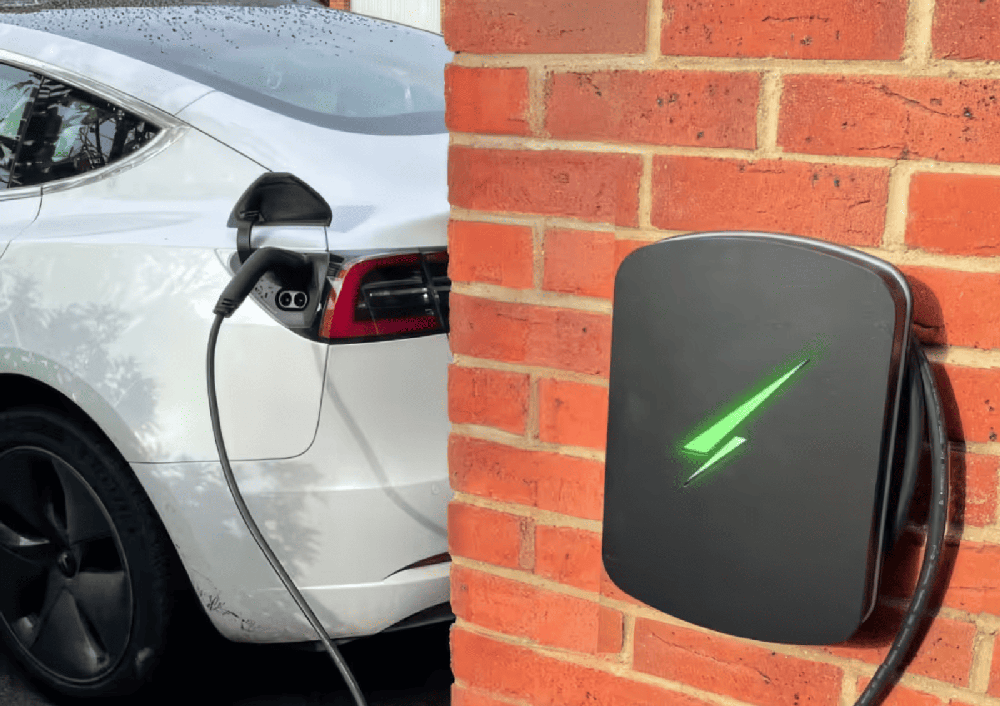
As EV adoption accelerates worldwide, home EV charging has emerged as the primary charging method for most drivers. Studies consistently show that more than 70–80% of EV charging happens at home. This trend is driven by several key factors:
- Convenience: No need to visit public charging stations regularly
- Cost Savings: Lower electricity rates compared to public chargers
- Time Efficiency: Charging occurs overnight or during idle periods
- Energy Control: Users can schedule charging during off-peak hours
Home charging also plays a crucial role in reducing strain on public infrastructure while supporting grid stability through smart charging technologies.
Choosing the right home charger is the first step toward an efficient charging experience. There are two primary types of residential EV charging solutions: Level 1 and Level 2.
- Power Source: Standard 120V household outlet
- Charging Speed: Approximately 3–5 miles of range per hour
- Best For: Plug-in hybrid electric vehicles (PHEVs) or low-mileage drivers
Level 1 charging is the most accessible option since it requires no additional equipment beyond the charging cable typically provided with the vehicle. Users simply plug their EV into a standard wall outlet.
Advantages:
- No installation cost
- Universal compatibility
- Ideal for emergency or backup charging
Limitations:
- Extremely slow charging speed
- Not suitable for long daily commutes
- Inefficient for full battery electric vehicles (BEVs)
For drivers who travel only short distances each day, Level 1 charging may be sufficient. However, as battery capacities increase, its limitations become more apparent.
- Power Source: 240V outlet or hardwired connection
- Charging Speed: Approximately 12–40 miles of range per hour
- Best For: Daily charging for all EVs, including full battery electric vehicles
Level 2 chargers represent the industry standard for residential EV charging. They require professional installation but deliver significantly faster and more reliable performance.
Advantages:
- Much faster charging times
- Greater efficiency and energy management
- Compatibility with all modern EVs
- Smart features such as scheduling and remote control
Installation Options:
- Plug-in units (using a NEMA 14-50 outlet)
- Hardwired systems (permanently connected to the electrical panel)
Level 2 charging is widely recommended for homeowners seeking a practical, future-proof solution that supports growing EV usage.
Installing a home EV charger involves more than simply mounting a device on the wall. Proper planning ensures safety, compliance, and optimal performance. Before proceeding, homeowners should follow a structured checklist:
Different EV models support varying charging rates. Understanding your vehicle's onboard charger capacity helps determine the appropriate charger power level.
Plug-in chargers offer flexibility and easier replacement
Hardwired chargers provide improved safety and higher power capacity
A minimum of 40 amps is typically recommended for Level 2 charging. Older homes may require panel upgrades to support additional load.
Depending on local regulations, permits or inspections may be required to ensure compliance with electrical codes.
Professional installation ensures proper wiring, grounding, and system testing. Attempting DIY installation without expertise can pose serious safety risks.
Ensure the charger meets recognized safety standards such as UL or CSA certification. Certified equipment guarantees reliability and compliance.
Modern chargers often include mobile apps that allow users to:
- Schedule charging sessions
- Monitor energy consumption
- Optimize charging during off-peak hours
Installation timelines vary depending on the complexity of the setup, but most residential installations are relatively quick and straightforward.
Simple Installations:
Completed in under half a day (2–4 hours)
Charger located near the electrical panel
Minimal wiring required
Moderate Installations:
Completed within a single day
Additional cabling needed
Minor panel adjustments
Complex Installations:
May take a full day or longer
Electrical panel upgrades
Underground wiring
Long-distance cable routing
Conversion to three-phase power
In most cases, homeowners can expect a smooth, one-visit installation process when working with experienced electricians.
The cost of installing a home EV charger varies based on equipment, labor, and electrical upgrades.
Level 1 Charging: Minimal cost (included with vehicle)
Level 2 Charger Equipment: $400–$1,500
Installation Costs: $300–$2,000+ depending on complexity
- Distance from electrical panel
- Panel capacity and upgrades
- Type of charger (plug-in vs hardwired)
- Local labor rates and permit fees
Despite the upfront investment, home charging often results in long-term savings compared to gasoline or public charging fees.
Home EV charging offers numerous advantages that extend beyond convenience.
Charging at home reduces energy loss compared to public fast chargers and allows for optimized power usage.
Electricity rates, especially during off-peak hours, are significantly lower than fuel costs or commercial charging fees.
Charging overnight eliminates the need for dedicated trips to charging stations.
Installing EV charging infrastructure can enhance the appeal and value of residential properties.
Home charging supports the use of renewable energy sources such as solar power, further reducing carbon emissions.
While home EV charging is highly beneficial, there are challenges to consider:
Electrical Infrastructure Limitations
Older homes may require significant upgrades to support Level 2 charging.
Installation Costs
Initial setup costs can be a barrier for some homeowners.
Space Constraints
Not all homes have dedicated parking areas suitable for charger installation.
Grid Demand
Widespread EV adoption may increase pressure on local power grids, requiring smart energy management solutions.
The future of home EV charging is closely tied to advancements in smart technology and energy integration.
Smart Chargers
Modern chargers offer features such as:
Wi-Fi connectivity
Mobile app control
Load balancing
Energy monitoring
Vehicle-to-Grid (V2G) Technology
V2G systems allow EVs to:
Supply power back to the grid
Act as backup energy sources for homes
Integration with Renewable Energy
Home charging systems are increasingly being paired with:
Solar panels
Home battery storage systems
This integration enables cleaner, more sustainable energy usage.
Many governments offer incentives to encourage EV adoption and home charger installation, including:
- Tax credits
- Rebates
- Reduced electricity rates for EV charging
- Grants for electrical upgrades
These programs can significantly reduce the overall cost of installation and ownership.
Ensuring safety is critical when installing and operating a home EV charger.
Key Safety Guidelines
- Always use certified charging equipment
- Avoid using extension cords
- Schedule regular inspections
- Ensure proper grounding and weather protection
- Keep charging areas clean and dry
Adhering to these practices minimizes risks and ensures long-term reliability.
Selecting the ideal charger depends on several factors:
- Vehicle type and battery capacity
- Daily driving distance
- Available electrical infrastructure
- Budget and installation constraints
Homeowners should prioritize scalability to accommodate future EV upgrades.
The increasing demand for home EV charging solutions has led to rapid innovation among manufacturers. Companies are focusing on:
- High-efficiency charging systems
- Compact and user-friendly designs
- Enhanced safety features
- Customizable solutions for residential use
Manufacturers offering OEM and ODM services are playing a key role in expanding global EV infrastructure by providing tailored solutions for different markets.
Home EV charging is no longer a niche concept—it is an essential component of modern transportation. With the right charger, proper installation, and smart energy management, homeowners can enjoy a seamless, cost-effective, and environmentally friendly charging experience.
As EV adoption continues to rise, the importance of reliable home charging solutions will only grow. From Level 1 convenience to Level 2 efficiency, and from basic setups to advanced smart systems, the evolution of home EV charging is shaping the future of mobility.
By understanding the available options, installation requirements, and long-term benefits, homeowners can make informed decisions that align with their energy needs and sustainability goals.