
The rapid global transition to electric mobility has transformed how drivers think about fueling, convenience, and everyday energy use. As electric vehicles (EVs) become mainstream, the need for faster and more efficient charging solutions at home continues to grow. While standard Level 1 chargers—typically included with most EVs—provide a convenient way to plug into any household outlet, their slow charging speeds can no longer meet the demands of today's expanding EV market.
This shift has positioned Level 2 EV chargers at the center of home charging innovation. Using a 240-volt power supply, Level 2 chargers significantly reduce charging times, improve energy efficiency, and offer advanced features such as smart scheduling, power monitoring, and integration with home energy systems. For homeowners, fleets, and businesses alike, upgrading to Level 2 charging is no longer a luxury—it is becoming a practical necessity.
This industry news article explores the fundamentals of Level 2 EV chargers, their benefits, installation requirements, cost considerations, and their growing role in supporting the electrification of transportation.
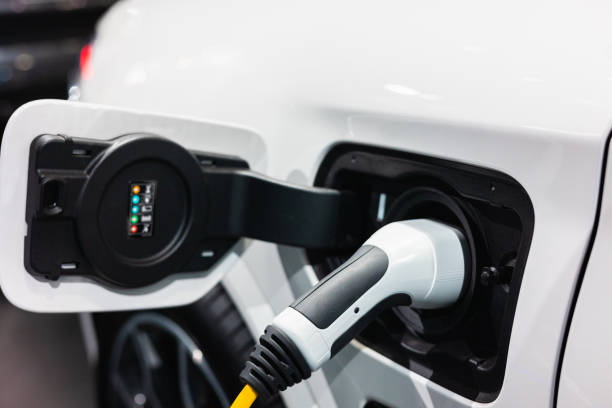
A Level 2 EV charger is a residential or commercial charging device that uses a 240-volt power source, compared to the 120-volt outlet required for Level 1 charging. This higher voltage enables significantly faster charging speeds, transforming daily usability for EV owners.
Feature | Level 1 Charger | Level 2 Charger |
Voltage | 120V | 240V |
Charging Speed | ~3–5 miles per hour | ~20–40 miles per hour |
Full Charge Time | 20–40 hours | 4–8 hours |
Best For | Occasional charging | Daily home charging |
The difference is substantial. While a Level 1 charger may take over 20 hours to fully charge a typical EV battery, a Level 2 charger cuts that down to a manageable 4–8 hours—perfect for overnight charging or quick top-ups during the day.
As EV battery sizes increase and vehicle ranges extend, drivers are demanding faster, more reliable charging options. Level 2 chargers meet those expectations by offering:
- Convenience: Full overnight charging for daily use
- Efficiency: Reduced energy waste and improved charging performance
- Smart Features: Wi-Fi connectivity, scheduling, load balancing
- Compatibility: Works with all major EV brands
With government incentives and rebates widely available in many regions, upgrading to Level 2 charging has become both cost-effective and future-proof.
Installing a Level 2 EV charger requires planning, electrical evaluation, and compliance with local building codes. The following guide outlines the key steps involved in a successful installation.
Before installing a Level 2 charger, you must confirm whether your home's electrical system can handle a 240-volt circuit.
Key assessments include:
Electrical panel capacity:
Most modern homes have 100–200 amp panels. A Level 2 charger typically requires a dedicated 40–50 amp circuit.
Available load space:
If your panel is nearly full, you may need an upgrade or installation of a sub-panel.
Home wiring condition:
Older homes may require rewiring or safety updates to support Level 2 charging.
If you are unsure, professional electricians can conduct a load calculation and determine whether upgrades are necessary.
Choosing the right place for your charger affects usability, convenience, and future scalability.
Considerations when selecting a site:
Distance to the vehicle
Shorter cable runs reduce power loss, tripping hazards, and installation costs.
Indoor vs. outdoor installation
Outdoor installations require chargers with weatherproof ratings (IP54 or higher).
Parking configuration
If you own multiple EVs or may upgrade in the future, choose a central or flexible location.
Wall strength
The mounting surface must support the charger's weight over time.
The most common installation areas are garages, carports, and dedicated exterior walls near parking spaces.
Most municipalities require permits for installing a 240-volt circuit, especially for high-current devices like EV chargers.
Permit requirements typically include:
- Electrical load assessment
- Installation diagrams
- Grounding and safety compliance
- Final inspection by a local authority
If hiring a licensed electrician, they can manage the permitting process on your behalf.
Once the installation site is chosen and approved, it's time to install the hardware.
Mounting considerations:
- Optimal height for cable reach
- Clear access for plugging and unplugging
- Secure, vibration-free mounting
- Proper alignment for cable management
The charger should be mounted at a comfortable level and positioned so the cable can reach the charging port without excessive stretching.
This phase involves wiring and connecting the EV charger to your electrical system. The procedure differs depending on whether you’re installing a plug-in or hardwired unit.
These use a NEMA 14-50 or similar 240-volt outlet.
Installation steps include:
- Installing a dedicated outlet
- Running wiring from the panel
- Ensuring proper grounding
- Plugging in the charger once complete
This option is popular for homeowners who want easy removal or transfer of the charger.
These connect directly to the electrical panel.
Benefits include:
- Higher charging speeds
- Improved weather resistance
- Permanent installation
- Enhanced safety for outdoor use
Hardwired installations must be performed by licensed electricians due to safety requirements.
Several variables determine the total cost of purchasing and installing a Level 2 home charger.
Longer distances require more conduit, wiring, and labor time.
Costs rise significantly if the installation requires trenching or wall modifications.
If your panel lacks capacity, adding a sub-panel or upgrading to a higher amperage panel will increase costs.
Panel upgrades may cost anywhere from a few hundred to several thousand dollars, depending on the home's wiring condition and local regulations.
Local permit fees can range from modest to substantial depending on the municipality.
These fees ensure compliance with safety standards and local electrical codes.
Basic Level 2 chargers are more affordable, while smart chargers with Wi-Fi connectivity, energy monitoring, and app control typically cost more.
Electrician labor rates vary widely across different cities and states.
Higher labor markets lead to higher installation costs.
Level 2 chargers offer a wide range of benefits for homeowners, fleets, and commercial properties.
Charging time is reduced from over 20 hours with Level 1 charging to just 4–8 hours.
This makes daily driving far more convenient.
Level 2 chargers reduce heat loss and enable more controlled power delivery, improving overall charging efficiency.
Many Level 2 chargers support:
- Scheduling
- Load balancing
- Wi-Fi connectivity
- Smartphone control
- Energy usage monitoring
These features allow drivers to optimize charging around electricity rates and household power demand.
Installing a Level 2 charger adds value to your home, especially as EV adoption increases.
Future buyers increasingly expect homes to be equipped for EV charging.
Level 2 chargers can integrate with solar panels, home batteries, and energy management systems to create a fully optimized, low-carbon charging setup.
Level 2 chargers are not just for homeowners. They also play a major role in expanding public and semi-public charging infrastructure.
Common commercial applications include:
- Workplace charging stations
- Retail parking lots
- Hotels and resorts
- Apartment complexes
- Fleet depots
- Public parking facilities
These chargers provide a reliable way for businesses to attract EV drivers, increase property value, and support sustainability initiatives.
While Level 2 chargers provide substantial benefits, some challenges remain.
Potential challenges include:
- High upfront installation costs
- Electrical panel limitations
- Need for licensed electricians
- Compliance with local permitting rules
- Variability in charger brands and features
Addressing these challenges requires planning, professional insights, and careful selection of equipment.
Level 2 chargers are essential for scaling electric mobility worldwide. They fill the gap between slow Level 1 charging and fast—but expensive—DC fast charging stations.
Why Level 2 charging is critical for EV adoption:
- Supports daily commuting
- Reduces reliance on public infrastructure
- Provides affordable home charging
- Works with virtually all EV models
- Aligns with government incentives for residential EV upgrades
As EV ownership becomes increasingly mainstream, Level 2 chargers will remain the standard for home and workplace charging.
Level 2 EV chargers are a vital component of the rapidly evolving electric vehicle ecosystem. Their ability to deliver fast, efficient, and convenient charging makes them indispensable for homeowners, businesses, and fleets transitioning to electric mobility. With proper planning, installation, and investment, these chargers significantly enhance the usability and practicality of electric vehicles, providing drivers with reliable energy access every day.
As governments continue to encourage EV adoption and as more consumers switch to cleaner transportation, Level 2 charging will play a central role in shaping the future of electric mobility. By understanding the installation process, cost factors, and long-term benefits, households and businesses can make informed decisions that support sustainability, energy efficiency, and the broader electrification movement.
