
As electric vehicles (EVs) continue to reshape global transportation trends, the demand for reliable and flexible charging infrastructure is accelerating at an unprecedented pace. While grid-connected EV chargers remain the backbone of today's charging ecosystem, a new solution is rapidly emerging as a transformative force—off-grid EV charging. Industry analysts, energy experts, and EV manufacturers increasingly view off-grid charging not merely as a supplemental technology, but as a powerful enabler for remote electrification, energy resilience, renewable integration, and scalable deployment across challenging environments.
Off-grid EV charging refers to any charging model that does not rely exclusively on the traditional utility grid for electricity. Instead, it leverages localized power generation and storage—often integrating renewable energy sources such as solar and wind—to deliver electricity independently from centralized infrastructure. As global pressures mount to expand EV penetration, strengthen energy security, and reduce carbon emissions, off-grid EV charging systems offer a flexible, cost-efficient, and sustainable alternative for meeting growing charging demands.
This article explores the rapid evolution of off-grid EV charging, its technical foundation, primary system configurations, key applications, market trends, economic benefits, environmental implications, and the role it will play in the future of electrified transportation.
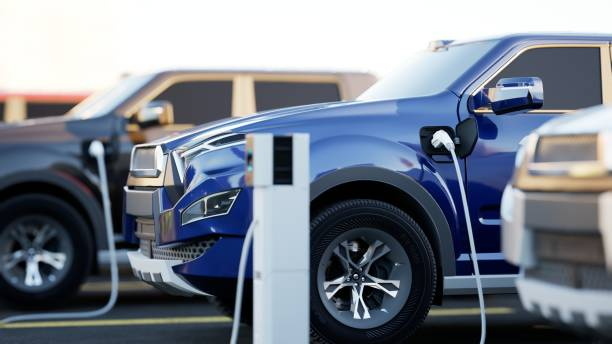
Off-grid EV charging encompasses several distinct charging approaches, but all share a unifying characteristic: energy is generated, stored, and delivered to EVs without depending solely on utility infrastructure. These systems are designed to operate autonomously, making them highly valuable in locations with limited grid access, unstable power supply, or high electricity costs.
Unlike conventional chargers that draw continuous power from the electricity grid, an off-grid EV charging station is built around energy independence. It operates as a self-sufficient ecosystem capable of generating renewable power, storing energy for later use, and delivering safe charging operations for EV owners.
A typical off-grid EV charging station includes:
- Renewable energy source – Solar photovoltaic (PV) panels, wind turbines, hydro generators, or hybrid systems
- Charge controller – Regulates incoming voltage from renewable sources
- Battery bank – Stores generated energy, typically via lithium-ion or LFP battery packs
- Inverter – Converts DC energy from batteries to AC for EV charging
- EV charger – Provides secure charging to the vehicle, with AC or DC output options
The process is straightforward yet technically sophisticated. Solar panels or wind turbines generate DC electricity. The charge controller ensures voltage and current remain within safe limits. Energy is stored in the battery system until needed. When an EV plugs in, the inverter converts stored DC power into AC electricity, which the vehicle's onboard charger uses for recharging.
This closed-loop design offers unparalleled flexibility. Off-grid charging stations can operate in desert regions, remote industrial zones, rural communities, disaster-affected areas, construction sites, ports, and mining operations—anywhere the grid is insufficient or unavailable.
The rise of off-grid EV charging is driven by several global megatrends:
Countries are rapidly transitioning to EVs under ambitious emissions reduction policies. However, charging infrastructure development—especially in remote or underserved regions—cannot keep pace with vehicle adoption. Off-grid chargers bypass this limitation entirely.
Advancements in solar and wind technologies have made distributed renewable systems more affordable and efficient. Off-grid chargers significantly reduce reliance on fossil fuels by harnessing natural energy sources.
Extreme weather events, grid outages, and overloaded power networks are increasingly common. Off-grid chargers offer backup charging during emergencies, improving overall energy resilience.
Grid expansion is expensive. Running transmission lines to isolated areas can cost tens of thousands of dollars per kilometer. Off-grid systems eliminate these costs.
Off-grid charging units—including solar EV charging trailers and containerized chargers—can be deployed in days, not months, offering faster access to charging infrastructure.
Construction companies, logistics operators, mining enterprises, and temporary events require mobile power solutions for EV fleets. Off-grid chargers provide energy without dependency on utility connections.
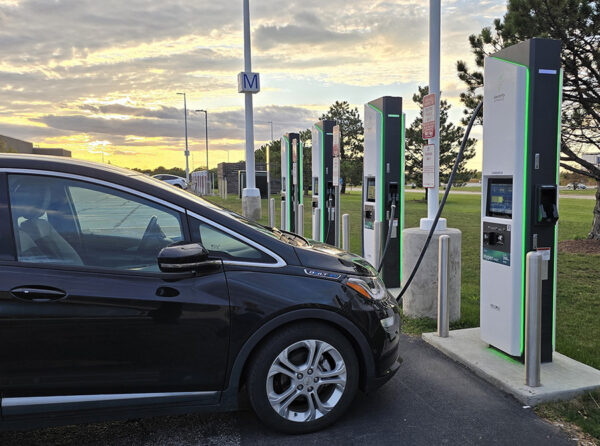
Off-grid chargers come in various configurations designed for different applications. The most common categories include:
These systems rely primarily on photovoltaic panels and are highly suitable for regions with abundant sunlight.
Advantages:
- Clean, renewable energy
- Low operating costs
- Scalable from small residential units to commercial systems
Wind turbines complement solar installations, especially in regions with frequent winds or during night-time low-sun conditions.
Hybrid systems combine solar and wind power, providing stable energy output and improved reliability.
Mobile charging trailers and containerized units are popular for temporary installations:
- Disaster relief
- Construction sites
- Outdoor events
- Remote industrial operations
Diesel or natural gas generators may serve as supplemental power sources, ensuring uninterrupted charging even in poor renewable conditions. While not fully clean energy, hybrid systems reduce generator runtime and emissions.
1. Energy Generation
Solar panels or wind turbines generate DC electricity based on environmental conditions.
2. Charge Regulation
A charge controller manages voltage and current to protect batteries from overcharging and deep discharge.
3. Energy Storage
Energy flows into the battery bank, where it is stored until required. Lithium iron phosphate (LFP) batteries dominate the industry due to longevity, safety, and cycle performance.
4. Power Conversion
When an EV connects, the inverter converts DC battery power into AC electricity.
5. Vehicle Charging
The EV charger delivers controlled power to the vehicle's onboard charger, ensuring safe and efficient recharging.
Off-grid systems can range from:
- Small residential solar chargers (2–7 kW)
- Commercial high-capacity off-grid stations (22–150 kW)
- Large-scale containerized DC fast-charging hubs (150–350 kW)
Many rural regions lack reliable grid infrastructure. Off-grid chargers enable EV adoption without waiting for grid expansion.
Strategic installation along remote highways ensures range confidence for EV travelers.
Heavy-duty electric machinery and trucks require high-power charging in unconnected sites.
Companies with off-site distribution hubs rely on portable and off-grid chargers to support daily operations.
Off-grid charging supports operations in isolated locations, where energy independence is critical.
After earthquakes, hurricanes, or floods, the grid can remain offline for weeks. Off-grid chargers provide essential charging for emergency EVs, medical transport, and relief teams.
Concerts, sports events, and festivals benefit from mobile charging without installing permanent infrastructure.
Electric maritime equipment—including forklifts, AGVs, and tug vehicles—can rely on off-grid solar charging systems installed dockside.
The off-grid EV charging sector is experiencing rapid expansion due to multiple converging industry trends:
Governments and utilities are encouraging distributed renewable energy generation to reduce grid strain and improve resilience.
Delivery vans, e-mobility equipment, forklifts, and construction vehicles are rapidly electrifying. Off-grid solutions provide dependable charging where the grid is insufficient.
LFP and NMC batteries have improved significantly in:
- Cycle life
- Thermal stability
- Energy density
- Cost efficiency
Solar PV prices have fallen by more than 80% over the past decade, making off-grid renewable charging cheaper than ever.
Manufacturers now offer plug-and-play off-grid chargers that require minimal installation effort.
Environmental regulations worldwide encourage renewable-based charging solutions.
Off-grid charging offers a wide range of operational, environmental, and economic benefits:
Operators are insulated from:
- Grid outages
- Electricity price spikes
- Utility limitations
Solar and wind energy have near-zero fuel costs, significantly reducing long-term expenses.
Off-grid renewable stations align with corporate ESG goals and carbon neutrality strategies.
No need to wait for grid permits or utility approvals—systems can be deployed within days.
Additional panels, batteries, or chargers can be added as EV demand grows.
From deserts to mountain areas, off-grid chargers excel where infrastructure is weak or nonexistent.
Battery storage provides continuous operation even during extended periods of low renewable generation.
Although promising, off-grid EV charging faces a unique set of engineering and financial challenges:
High-capacity batteries and renewable systems can require significant upfront investment.
Solar and wind output varies by region and season, requiring careful system sizing.
Solar installations require adequate land or roof area.
Off-grid systems may not match the power output of grid-based DC fast chargers without hybrid configurations.
Batteries require periodic replacement depending on cycle usage.
Solar panels, wind turbines, and power electronics need routine inspection and maintenance.
The next decade will see explosive growth in off-grid EV charging technologies. Several factors will shape this transformation:
Future stations will use AI-based energy management to optimize solar production, battery usage, and charging scheduling.
Next-generation power electronics will increase the feasibility of 150–350 kW off-grid charging hubs.
Off-grid energy systems can support rapid battery swapping for electric taxis, logistics fleets, and two-wheelers.
Bidirectional charging will allow EVs to support off-grid systems with temporary power, stabilizing renewable generation.
Many countries will offer financial incentives for renewable energy charging, accelerating adoption.
Off-grid EV stations will increasingly integrate with microgrids, enabling community-wide clean energy ecosystems.
Off-grid EV charging represents a major step forward in the global transition toward sustainable, accessible, and resilient electric mobility. By combining renewable energy production, advanced battery storage, smart power electronics, and flexible charging hardware, these systems deliver reliable charging capabilities in any environment—whether connected to the grid or completely independent from it.
As the world continues to embrace carbon-free transportation, off-grid EV charging will play a vital role in bridging infrastructure gaps, supporting commercial electrification, and empowering communities that lack access to reliable energy. With ongoing advancements in battery technology, renewable generation, and intelligent control systems, the future of off-grid EV charging is both promising and pivotal.
