
As electric vehicles (EVs) continue to gain global traction, charging infrastructure has become a critical component of everyday mobility. Among all charging system components, EV charging cables play a vital role in ensuring efficient power delivery, user safety, and overall system reliability. Despite their importance, charging cables are often overlooked when it comes to maintenance and care.
Modern EV charging systems are typically categorized into different modes. Mode 3 charging represents the standard for home chargers and public AC charging stations, utilizing alternating current (AC) for routine charging needs. In contrast, Mode 4 charging refers to high-power DC fast charging systems, commonly found at roadside stations. Unlike Mode 3, Mode 4 systems have fixed cables attached to the charger, eliminating the need for user-supplied cables.
For EV owners and operators, understanding how to properly maintain charging cables—particularly Mode 3 cables—is essential. Proper maintenance not only ensures safety but also extends the lifespan of the cable, improves charging efficiency, and reduces the risk of costly failures.
This article provides a comprehensive guide to selecting, using, and maintaining EV charging cables, along with practical recommendations for both individual users and commercial operators.
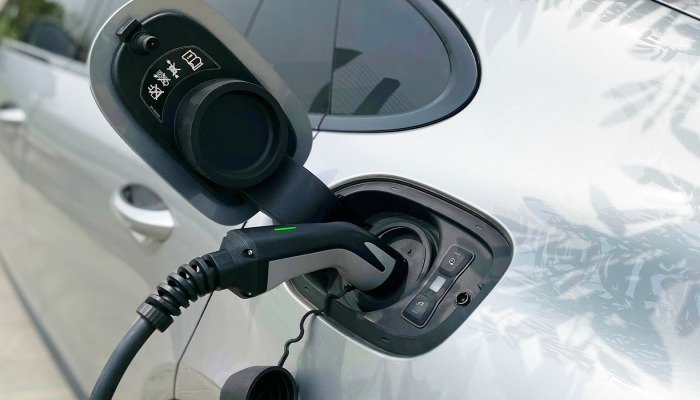
One of the first considerations when dealing with EV charging cables is selecting the correct connector type. The "type" refers to the design of the vehicle-side plug, which must match the inlet on the vehicle.
Type 1 (SAE J1772):
Commonly used in older EV models and some vehicles from Asian manufacturers. These connectors support single-phase charging and are gradually being phased out in many regions.
Type 2 (IEC 62196):
Widely recognized as the current standard in most global markets. Type 2 connectors support both single-phase and three-phase charging, making them more versatile and suitable for higher power applications.
Most modern electric vehicles are equipped with Type 2 inlets. However, users should always verify compatibility before purchasing a charging cable.
Selecting the appropriate cable specification is crucial for achieving optimal charging performance. Key parameters include current (amps), power (kW), and phase configuration.
Charging cables are typically rated at:
- 16A
- 32A
- 63A (less common for standard AC charging)
Higher amperage allows for faster energy transfer, provided the vehicle and charging station support it.
The power rating of a cable determines how quickly it can deliver energy to the vehicle. Common ratings include:
- 3.7 kW (single-phase, 16A)
- 7.4 kW (single-phase, 32A)
- 11 kW (three-phase, 16A)
- 22 kW (three-phase, 32A)
To maximize charging speed, users should select a cable with a power rating equal to or higher than the vehicle's onboard charger capacity.
- Single-phase cables are typically used in residential environments.
- Three-phase cables are common in commercial or industrial settings and provide faster charging speeds.
Importantly, three-phase cables can also operate in single-phase systems, offering greater flexibility.
Maintaining EV charging cables is not just about preserving their physical condition—it directly impacts safety, efficiency, and system longevity.
1. Enhanced Safety
Prevents electrical hazards such as short circuits, overheating, or fire risks.
2. Improved Charging Efficiency
Ensures stable power delivery and minimizes energy loss.
3. Extended Equipment Lifespan
Reduces wear on both the cable and the vehicle's charging port.
4. Lower Replacement Costs
Preventative care reduces the need for frequent replacements.
5. Reliable Performance
Minimizes downtime and ensures consistent charging availability.
Regular inspection is one of the most effective ways to maintain charging cables.
Before and after each use, visually inspect the cable and connectors for:
- Cracks or splits in the insulation
- Fraying or exposed wires
- Discoloration caused by overheating
- Bent or damaged pins
- Loose connections
- Signs of corrosion or moisture ingress
If any of the following issues are observed, the cable should be replaced immediately:
- Exposed internal conductors
- Persistent overheating during use
- Damaged connectors that prevent secure attachment
- Intermittent charging interruptions
Delaying replacement can lead to serious safety risks.
Storage plays a critical role in preserving the condition of EV charging cables.
Avoid Tight Coiling
Tight bends can damage internal conductors. Use loose loops instead.
Use Cable Holders or Reels
Dedicated cable management systems help prevent tangling and stress.
Keep Off the Ground
Avoid placing cables on dirty or wet surfaces.
Protect from Weather Exposure
Store cables in a dry, shaded environment when not in use.
Use Protective Covers
Cable sleeves or storage bags provide additional protection against dust and UV radiation.
Improper storage is one of the leading causes of premature cable failure.
Charging connectors are sensitive components that require careful handling.
- Use a dry or slightly damp cloth to remove dirt and debris
- Avoid using harsh chemicals or solvents
- Ensure connectors are completely dry before use
- Keep protective caps on connectors when not in use
- Avoid placing connectors on the ground
- Regularly inspect for dust, sand, or moisture
Even small contaminants can interfere with electrical contact and lead to charging inefficiencies.
User behavior has a significant impact on cable longevity.
Always grip the connector—not the cable—when plugging or unplugging
- Avoid pulling or yanking the cable
- Insert and remove connectors in a straight motion
- Ensure a secure connection before initiating charging
- Dragging the cable across rough surfaces
- Running over the cable with a vehicle
- Twisting or knotting the cable
- Leaving the cable under tension during charging
These practices can damage both the outer insulation and internal wiring.
EV charging cables are often exposed to challenging environmental conditions.
Extreme Heat: Can degrade insulation and increase resistance
Extreme Cold: Can make cables brittle and prone to cracking
While most cables are designed to be weather-resistant, prolonged exposure to water can still lead to:
- Corrosion of connectors
- Reduced insulation performance
- Electrical faults
Continuous exposure to sunlight can weaken cable materials over time. Using UV-resistant cables or protective covers can mitigate this issue.
For businesses operating EV charging stations, cable maintenance is even more critical due to higher usage frequency.
- Implement routine inspection schedules
- Train staff on proper handling procedures
- Install cable management systems (e.g., retractable reels)
- Replace worn cables proactively
- Maintain logs of inspections and replacements
In public charging environments:
- Use heavy-duty, industrial-grade cables
- Install protective barriers to prevent vehicle damage
- Provide clear user instructions to minimize misuse
Proper maintenance ensures reliability and enhances user satisfaction.
EV charging cables must comply with international safety standards to ensure safe operation.
- Overcurrent protection
- Temperature monitoring
- Robust insulation materials
- Secure locking mechanisms
While cables are designed with safety features, proper user practices remain essential. Negligence can override built-in protections and lead to hazardous situations.
As EV adoption grows, charging cable technology continues to evolve.
Emerging Innovations
- Liquid-cooled cables for high-power charging
- Lightweight materials for improved handling
- Smart cables with integrated monitoring systems
- Enhanced durability coatings for harsh environments
These advancements aim to improve efficiency, safety, and user convenience.
To summarize, here are some simple yet effective tips:
- Inspect cables regularly
- Store cables properly after each use
- Keep connectors clean and protected
- Handle cables with care
- Avoid environmental extremes whenever possible
- Replace damaged cables immediately
Consistency in these practices can significantly extend cable life.
EV charging cables are a fundamental component of electric vehicle infrastructure, directly influencing safety, efficiency, and user experience. While they are designed to withstand regular use, neglecting proper maintenance can lead to performance issues, safety hazards, and unnecessary expenses.
By understanding cable types, selecting the correct specifications, and following best practices for inspection, storage, cleaning, and handling, users can ensure reliable and long-lasting performance. For commercial operators, implementing structured maintenance programs further enhances operational efficiency and customer satisfaction.
As the EV industry continues to expand, the importance of proper cable maintenance will only grow. Investing time and effort into caring for charging cables is a small step that yields significant long-term benefits—ensuring safe, efficient, and uninterrupted charging for years to come.
