
As electric vehicles continue to transform the global transportation industry, charging infrastructure has become one of the most important parts of everyday EV ownership. While public fast chargers and home wall boxes often receive most of the attention, the EV charging cable remains a critical component that directly affects convenience, charging speed, safety, and compatibility.
For many EV drivers, the charging cable is the bridge between the vehicle and the power source. Without the right cable, even the most advanced charging station cannot deliver energy effectively. As EV adoption rises across residential, commercial, and fleet markets, understanding charging cable standards and choosing the correct cable has become increasingly important.
Charging cables are no longer simple accessories. They now incorporate smart communication protocols, durable insulation materials, weather resistance, thermal monitoring, and high-current transmission capabilities. Whether charging at home overnight or using public infrastructure during long-distance travel, selecting the right cable ensures efficient and reliable operation.
This article explores when a separate EV charging cable is required, the main charging cable types used worldwide, key factors to consider when selecting one, maintenance tips, safety practices, and future innovations shaping the cable industry.
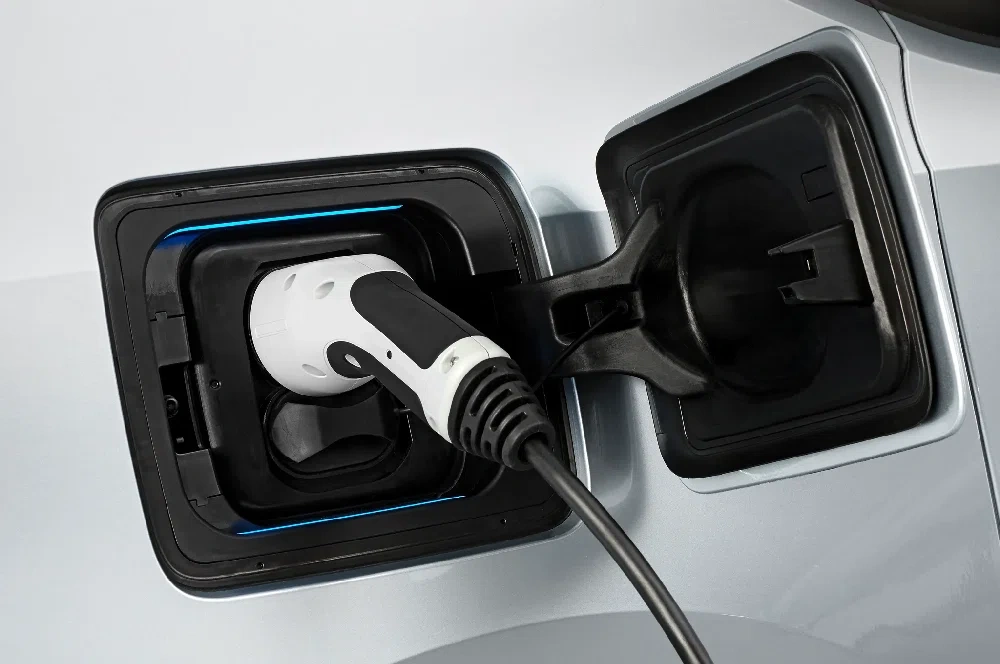
Every electric vehicle requires a safe and stable flow of electricity from the power source to the battery system. The charging cable performs several essential functions:
- Transfers electrical power efficiently
- Supports communication between charger and vehicle
- Ensures safe grounding and insulation
- Prevents overheating through proper conductor sizing
- Provides physical flexibility for everyday handling
- Enables compatibility between charging equipment and vehicle ports
A poor-quality or mismatched cable may lead to slow charging, interruptions, connector wear, overheating risks, or failure to charge entirely.
As battery sizes increase and charging speeds rise, cable performance becomes even more critical.
Many new EV owners ask whether they need to purchase an additional charging cable. The answer depends largely on where and how they charge.
You will often need a separate cable when using public AC charging points that provide only a socket rather than a permanently attached cable. This is common in:
- Shopping center parking lots
- Workplace chargers
- Hotels
- Street charging points
- Municipal parking stations
Drivers bring their own cable and connect one end to the charger and the other to the vehicle.
Some residential wall chargers feature socket outlets instead of tethered cables. In these cases, users need their own removable cable.
Advantages of socket-based home chargers include:
- Cleaner wall-mounted appearance
- Ability to use different cable lengths
- Easier replacement if damaged
- Compatibility with multiple vehicle types
- Situations Where a Separate Cable Is Not Required
There are also many situations where a cable is already attached:
- DC fast chargers
- Tesla Superchargers in many regions
- Some home tethered wall boxes
- Fleet charging depots with fixed systems
In these cases, drivers simply plug in the attached connector.
Global EV markets use several charging connector standards. Understanding these types is essential when purchasing a cable.
Type 1 connectors are single-phase charging plugs primarily used in older or imported electric vehicles, especially from Asian and North American markets.
Key Features
- Single-phase AC charging
- Up to 7.4 kW typical charging power
- 230 V / 32 A common configuration
- Five-pin design
- Compact connector body
Common Applications
Type 1 connectors have been used in vehicles from:
- Nissan (older models)
- Mitsubishi
- Kia (early EVs)
- Some Toyota plug-in hybrids
- Imported EV models
Market Trend
Type 1 has become less common in Europe, where Type 2 dominates. However, it remains relevant in legacy fleets and certain global regions.
Type 2 is now the leading AC charging standard across Europe and many international markets.
Key Features
- Single-phase and three-phase charging support
- Up to 22 kW in many private installations
- Up to 43 kW AC in some public applications
- Seven-pin design
- Broad public charging compatibility
Why Type 2 Is Popular
Type 2 became the preferred standard because it offers:
- Higher charging power
- Better compatibility across brands
- Support for smart charging communication
- Strong locking mechanisms
- Wide infrastructure availability
Most modern EVs sold in Europe now use Type 2 for AC charging.
CCS is one of the most important charging standards for modern EVs because it combines AC and DC charging in one inlet.
How CCS Works
A CCS connector adds two large DC power pins below the Type 2 or Type 1 section, allowing both slow and rapid charging through the same vehicle port.
Benefits
- AC charging at home or work
- High-speed DC charging on highways
- Simplified vehicle design
- Broad adoption by global automakers
Charging Power
While many chargers historically delivered around 50 kW, modern CCS ultra-fast systems can exceed 150 kW, 250 kW, and higher depending on infrastructure and vehicle capability.
Industry Position
CCS has become the mainstream DC charging standard across Europe and North America.
CHAdeMO was developed in Japan and played an early role in fast charging adoption.
Key Features
- DC fast charging standard
- Bidirectional charging capability in many systems
- Historically up to 50 kW common output
- Strong presence in Japanese EV models
Vehicles Associated with CHAdeMO
- Nissan Leaf (many generations)
- Mitsubishi Outlander PHEV
- Some Japanese domestic market EVs
While CHAdeMO remains in service, many markets are shifting toward CCS or newer unified standards.
Tesla Charging Connectors
Tesla developed proprietary charging systems in several markets before later adopting regional standards in some locations.
Tesla Supercharger Advantages
- High-speed charging network
- Seamless authentication
- Navigation integration
- Reliable user experience
Connector Evolution
Depending on region:
- Europe largely transitioned to CCS-compatible systems
- North America moved toward NACS (North American Charging Standard)
- Adapters support wider compatibility in some markets
Tesla's charging network has significantly influenced industry expectations for charging convenience.
Selecting the proper cable requires more than simply matching the connector.
Always confirm your vehicle charging port type:
- Type 1
- Type 2
- Tesla/NACS where applicable
- Regional variants
Using the wrong connector prevents charging entirely.
Your cable should match both:
- Vehicle onboard charger capability
- Charging station output
Common ratings include:
- 3.6 kW
- 7.4 kW
- 11 kW
- 22 kW
If a cable is underrated, it may limit charging speed.
Typical lengths include:
- 4 meters
- 5 meters
- 7 meters
- 10 meters for specialty use
Shorter Cable Benefits
- Easier storage
- Lower weight
- Less clutter
Longer Cable Benefits
- Greater parking flexibility
- Easier access in tight layouts
- Useful for shared driveways
Choose based on your parking routine.
Outdoor charging requires cables designed for harsh environments.
Look for:
- UV-resistant jacket materials
- Water resistance ratings
- Dust protection
- Crack resistance in cold weather
- Heat tolerance in summer climates
Daily use places stress on cables. Premium cables offer:
- Reinforced strain relief
- Copper conductors with strong insulation
- Flexible sheathing
- Crush resistance
- Long bend-cycle life
Choose products tested to recognized standards such as:
- CE
- UL
- IEC compliance
- RoHS environmental standards
Certified cables reduce operational risk.
Many users assume charging speed depends only on the charger. In reality, the cable also matters.
Low-quality cables may cause:
- Excess resistance
- Heat buildup
- Voltage drop
- Reduced current delivery
- Automatic derating by smart chargers
A properly sized, high-conductivity cable helps maintain rated performance.
New charging cables increasingly integrate advanced functions.
Temperature Sensors
Monitor connector heat and reduce current if overheating occurs.
Communication Chips
Enable charger-to-vehicle handshake protocols.
LED Indicators
Show charging status visually.
RFID or Access Control
Used in fleet and commercial charging systems.
Load Balancing Integration
Works with smart home energy systems.
Routine maintenance extends service life.
Best Practices
- Coil loosely after use
- Avoid sharp bends
- Keep connectors clean
- Store dry when possible
- Do not drag across rough ground
- Inspect insulation regularly
Replace If You Notice
- Cracked sheath
- Burn marks
- Loose pins
- Excessive heat during use
- Communication errors
- Frequent charging interruptions
Choosing Only by Price
Cheap cables may use inferior copper, poor insulation, or weak connectors.
Ignoring Amp Rating
A 16 A cable may not fully support a 32 A charger.
Buying Excessive Length Unnecessarily
Longer cables weigh more and may be harder to manage.
Forgetting Storage Needs
Some users need carrying bags or wall hooks.
Overlooking Climate Conditions
Cold-weather flexibility can matter significantly in winter regions.
As EV fleets expand, cable demand is rising in:
- Apartment complexes
- Retail centers
- Office buildings
- Logistics fleets
- Taxi and ride-share depots
- Highway service stations
Commercial operators increasingly prioritize vandal-resistant, heavy-duty cables with long lifecycle performance.
Manufacturers are investing in innovation to meet higher charging expectations.
Advanced Materials
- Lighter conductor alloys
- Halogen-free jackets
- Recyclable polymers
- Improved thermal compounds
High-Power Cooling Solutions
Ultra-fast DC charging cables may use liquid cooling to manage heat.
Sustainability Focus
Factories are reducing waste and using eco-friendly materials.
Smart Diagnostics
Future cables may self-report wear, temperature history, or faults.
Governments increasingly support harmonized charging standards to simplify EV ownership.
This helps:
- Reduce connector confusion
- Improve infrastructure investment confidence
- Lower manufacturing costs
- Increase cross-border charging compatibility
Standardization remains a major growth driver for the cable sector.
The next generation of EV charging cables will likely feature:
- Lighter weight construction
- Faster charging current capacity
- Better cold-weather flexibility
- Integrated digital monitoring
- Improved recyclability
- Universal compatibility solutions
As EV batteries grow larger and charging expectations rise, cable technology will remain central to the user experience.
The EV charging cable may appear simple, but it is one of the most important components in electric mobility. It determines compatibility, influences charging speed, ensures electrical safety, and affects daily convenience.
Whether choosing a Type 1 cable for an older vehicle, a Type 2 cable for home and public AC charging, or relying on CCS for rapid charging, buyers should carefully evaluate connector type, power rating, cable length, durability, and weather protection.
As global EV adoption accelerates, demand for advanced, reliable charging cables will continue to expand across residential, public, and fleet markets. Manufacturers that deliver safe, high-performance, and future-ready cable solutions will play a vital role in supporting the next era of clean transportation.