
The global transition toward electric mobility is accelerating at an unprecedented pace. Governments, automakers, and energy providers are all investing heavily in electric vehicle (EV) adoption, driven by climate targets, technological advancements, and shifting consumer preferences. However, while EV sales continue to rise, the expansion of charging infrastructure has not always kept pace. This imbalance has created one of the most significant barriers to EV adoption: access to convenient, reliable charging.
In response, a new and innovative model is gaining traction—community EV charging. By enabling private homeowners and small businesses to share their charging equipment with others, this decentralized approach offers a scalable, cost-effective solution to bridge infrastructure gaps. Community EV charging is not only transforming how drivers access power but also reshaping the economics and social dynamics of energy sharing.
This article explores the concept, benefits, challenges, technologies, and future outlook of community EV charging, highlighting its growing importance in the evolving EV ecosystem.
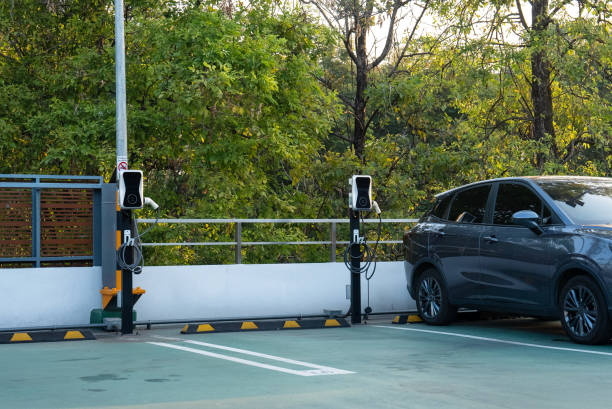
Community EV charging refers to a shared charging model where privately owned charging stations—typically installed at homes, apartment complexes, or small businesses—are made accessible to other EV drivers when not in use. Through digital platforms or mobile applications, charger owners can list their stations, set availability schedules, and even charge a fee for usage.
In simple terms, it is similar to the "sharing economy" model seen in accommodation or ride-sharing services, but applied to energy infrastructure. Instead of relying solely on public charging networks or workplace installations, EV drivers can tap into a distributed network of chargers within their local community.
This approach is particularly valuable in areas where public charging infrastructure is limited or where residents lack the ability to install private chargers, such as in dense urban environments or multi-unit dwellings.
The number of electric vehicles on the road continues to grow rapidly. As governments introduce stricter emissions regulations and offer incentives for EV purchases, more consumers are making the switch. However, this surge in EV ownership places increasing pressure on existing charging infrastructure.
Public charging networks, while expanding, often face challenges such as:
- Limited geographic coverage
- High installation costs
- Grid constraints
- Long wait times at busy stations
In many residential areas, especially older neighborhoods and apartment complexes, installing dedicated charging infrastructure can be complex and expensive. Community charging provides a practical workaround by utilizing existing resources.
A significant portion of the population lives in apartments or condominiums without access to private parking or dedicated chargers. For these residents, owning an EV can seem impractical. Community EV charging addresses this issue by offering nearby, flexible charging options.
The functionality of community EV charging is enabled by digital platforms that connect charger owners with EV drivers. The process typically involves the following steps:
Homeowners or businesses register their charging station on a platform, providing details such as location, charging speed, connector type, and availability.
Owners can specify when their charger is available—for example, during working hours, overnight, or weekends.
Some platforms allow owners to set usage fees, creating an opportunity to earn passive income.
EV drivers use an app to locate nearby chargers, check availability, and reserve a charging slot.
Access is typically managed via smart locks, QR codes, or app-based activation.
Transactions are handled digitally, and users can rate their experience to maintain quality and trust within the network.
Community charging significantly expands the availability of charging points, especially in residential areas. This makes EV ownership more practical for individuals without private charging options.
Building new public charging infrastructure can be capital-intensive. Community charging leverages existing installations, reducing the need for large-scale investments.
Unlike public charging stations, which may require permits, grid upgrades, and construction, community chargers are already installed and can be integrated into networks quickly.
Homeowners can monetize their charging stations by sharing them with others. This helps offset installation and electricity costs while encouraging broader participation.
One of the biggest concerns for potential EV buyers is the fear of running out of charge without access to a charger. A dense network of community chargers alleviates this concern.
By supporting EV adoption, community charging contributes to reduced greenhouse gas emissions and improved air quality.
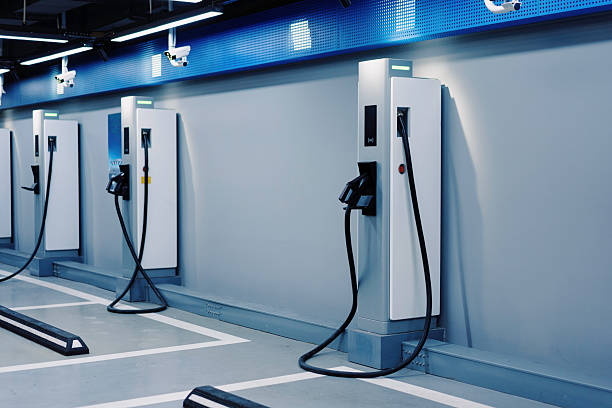
Modern EV chargers are equipped with smart features such as remote monitoring, scheduling, and energy management. These capabilities are essential for sharing chargers safely and efficiently.
User-friendly apps play a central role in connecting charger owners and drivers. These platforms provide real-time information on availability, pricing, and navigation.
Secure digital payment systems ensure seamless transactions, enabling users to pay for charging sessions without hassle.
IoT technology allows chargers to communicate with central platforms, enabling features such as remote access control, usage tracking, and performance analytics.
Advanced systems help balance energy demand, optimize charging schedules, and integrate renewable energy sources where available.
Despite its advantages, community EV charging also faces several challenges:
Allowing strangers to access private property raises concerns about safety and security. Platforms must implement robust verification and rating systems.
Different charger types, connectors, and power levels can create compatibility issues. Standardization is essential for seamless user experiences.
Increased charging activity in residential areas may strain local power grids, especially during peak hours.
Local regulations and zoning laws may restrict the commercial use of residential charging equipment.
Charger owners are responsible for maintaining their equipment, which can impact reliability if not managed properly.
Feature | Community Charging | Public Charging |
Ownership | Private individuals | Companies or governments |
Installation Cost | Low (existing infrastructure) | High |
Accessibility | Localized, flexible | Wide but sometimes limited |
Pricing | Often lower or flexible | Fixed and sometimes higher |
Availability | Depends on owner schedule | Typically 24/7 |
Both models are complementary rather than competitive. Community charging fills gaps where public infrastructure is insufficient.
Community EV charging is particularly valuable in multi-unit dwellings such as apartment complexes and condominiums. In these environments:
- Shared chargers can serve multiple residents
- Installation costs are distributed
- Space constraints are addressed efficiently
Property managers and homeowners' associations are increasingly exploring shared charging solutions to meet tenant demand.
The rise of community EV charging is creating new opportunities across the value chain:
Platform Providers
Companies that develop apps and software platforms for managing shared charging networks are at the forefront of this trend.
Hardware Manufacturers
Demand for smart, connected chargers is increasing as more homeowners participate in community charging.
Energy Providers
Utilities can offer tailored тарифs and incentives to support community charging and manage grid load.
Real Estate Developers
Integrating shared charging infrastructure into residential projects can enhance property value and attract environmentally conscious buyers.
Community EV charging can be combined with renewable energy sources such as solar panels. Homeowners with solar installations can:
- Use excess energy to charge vehicles
- Share surplus power with others
- Reduce reliance on fossil fuels
This integration supports the transition to a more sustainable and decentralized energy system.
Community EV charging is gaining traction in several regions:
Europe
Countries with high EV adoption rates are leading the way in shared charging initiatives, supported by strong policy frameworks.
North America
Urban areas are seeing increased interest in community charging as a solution for apartment dwellers.
Asia-Pacific
Rapid urbanization and government support are driving innovation in shared charging models.
Governments play a crucial role in promoting community EV charging through:
- Incentives for charger installation
- Subsidies for smart charging systems
- Regulatory frameworks that enable sharing
- Public awareness campaigns
Supportive policies can accelerate adoption and ensure safe, standardized implementation.
The future of community EV charging looks promising, driven by several key trends:
Increased Digitalization
Advancements in software and connectivity will enhance user experience and operational efficiency.
Greater Integration
Community charging will become part of broader smart city and smart grid initiatives.
Expansion of Networks
As more homeowners participate, the density of community chargers will increase, making them a reliable alternative to traditional infrastructure.
Enhanced User Experience
Improved apps, real-time data, and seamless payments will make community charging more convenient and accessible.
Community EV charging represents a transformative approach to addressing one of the biggest challenges in electric mobility: infrastructure accessibility. By leveraging existing resources and embracing a collaborative model, it offers a scalable, cost-effective solution that benefits both charger owners and EV drivers.
As the EV market continues to grow, community charging will play an increasingly important role in supporting widespread adoption. It not only enhances convenience and reduces costs but also fosters a sense of shared responsibility in the transition to sustainable transportation.
With continued technological innovation, supportive policies, and growing public awareness, community EV charging is poised to become a cornerstone of the global EV ecosystem—powering the journey toward a cleaner, more connected future.