
The global transition toward electric mobility is accelerating at an unprecedented pace. Governments, corporations, and consumers alike are embracing electric vehicles (EVs) as a cornerstone of sustainable transportation. As this shift gains momentum, the demand for reliable, accessible, and efficient EV charging infrastructure is growing rapidly. Among the most critical locations for this infrastructure are commercial and industrial buildings, including office complexes, manufacturing facilities, logistics hubs, and retail centers.
Installing EV charging stations is no longer a forward-looking luxury—it is quickly becoming a practical necessity. Businesses that proactively invest in EV charging infrastructure position themselves at the forefront of sustainability, innovation, and tenant satisfaction. More importantly, they gain a competitive advantage in attracting tenants, employees, and customers who increasingly prioritize environmentally responsible practices.
This article explores why EV charging stations are essential for commercial and industrial buildings, examining their benefits, technical considerations, and long-term value in an evolving energy and mobility landscape.
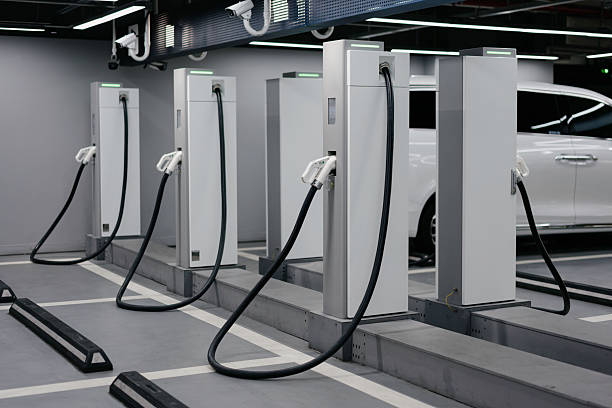
The adoption of EVs has surged in recent years due to advances in battery technology, increased environmental awareness, and supportive government policies. Many countries have set ambitious targets to phase out internal combustion engine vehicles, further accelerating the shift toward electrification.
As EV ownership expands, one of the most pressing challenges is ensuring adequate charging infrastructure. While residential charging remains important, a significant portion of charging demand occurs outside the home—particularly at workplaces and commercial facilities where vehicles are parked for extended periods.
Commercial and industrial buildings are uniquely positioned to address this demand. With dedicated parking spaces, established electrical systems, and predictable occupancy patterns, these properties offer an ideal environment for EV charging deployment.
Office buildings already possess many of the essential components required for EV charging installation. These include:
- Ample parking facilities: Surface lots and structured parking garages provide convenient locations for charger placement.
- Established electrical systems: Most buildings have sufficient electrical capacity or can be upgraded to support EV chargers.
- Centralized management: Property managers can oversee installation, operation, and maintenance efficiently.
These factors significantly reduce the complexity and cost associated with deploying EV charging infrastructure.
Employees typically park their vehicles for several hours during the workday, making office environments ideal for charging. Unlike retail or public locations where dwell times are short, workplace charging allows for slower, more cost-effective charging solutions, such as Level 2 chargers.
Providing EV charging stations enhances tenant satisfaction by addressing a growing need among employees and visitors. Companies that prioritize sustainability are increasingly seeking office spaces that align with their environmental goals. By offering EV charging, property owners can attract and retain high-value tenants.
Modern EV charging systems go beyond simple plug-and-charge functionality. Smart charging technologies enable building operators to optimize energy usage, manage multiple users, and integrate with broader energy management systems.
Smart charging systems can distribute available electrical capacity across multiple chargers, preventing overloads and minimizing the need for costly electrical upgrades. This ensures that all users receive reliable charging without compromising building operations.
With advanced software platforms, building managers can:
- Schedule charging sessions to balance demand
- Prioritize certain users or time slots
- Monitor energy consumption and usage patterns
These capabilities allow for efficient utilization of charging infrastructure, even with a limited number of stations.
EV chargers can be integrated with on-site renewable energy sources such as solar panels. This not only reduces operational costs but also enhances the building’s sustainability profile.
Installing EV charging stations significantly increases a property’s appeal. As EV adoption continues to rise, tenants and buyers are actively seeking buildings equipped with modern, sustainable amenities.
Properties with EV charging infrastructure often command higher lease rates and experience lower vacancy rates. This makes EV chargers a valuable long-term investment.
Environmental, Social, and Governance (ESG) criteria are becoming a key consideration for businesses and investors. EV charging stations contribute directly to ESG objectives by:
- Reducing greenhouse gas emissions
- Promoting clean energy adoption
- Demonstrating corporate responsibility
Buildings equipped with EV chargers are better positioned to meet sustainability certifications and regulatory requirements.
EV charging stations can generate additional income through various business models, including:
- Pay-per-use charging fees
- Subscription-based services
- Partnerships with charging network providers
These revenue streams can help offset installation and operational costs over time.
Selecting the appropriate type of EV charger is crucial for maximizing efficiency and cost-effectiveness. There are three primary levels of EV charging, each with distinct characteristics and applications.
Level 1 chargers use a standard 120-volt household outlet and are the simplest form of EV charging.
Key features:
Charging speed: 3–5 miles of range per hour
Minimal installation requirements
Low upfront cost
Limitations:
Level 1 charging is generally too slow for commercial applications. While it may be suitable for emergency use or low-demand scenarios, it does not meet the needs of most workplace environments.
Level 2 chargers operate on a 240-volt power supply and are the most common choice for commercial and industrial buildings.
Key features:
Charging speed: approximately 15–25 miles of range per hour
Suitable for full-day workplace charging
Moderate installation cost
Advantages:
Level 2 chargers strike an ideal balance between cost and performance. They can fully charge most EVs during a typical workday, making them highly practical for office settings.
Level 3 chargers, also known as DC fast chargers, provide rapid charging using high-voltage direct current.
Key features:
Charging time: typically 30–60 minutes for a full charge
High power output
Suitable for high-traffic locations
Considerations:
While DC fast chargers offer unmatched speed, they come with significant costs, often exceeding $100,000 per unit. They also require substantial electrical infrastructure and are better suited for highway corridors, fleet operations, or commercial hubs with high turnover.
Before installing EV chargers, it is essential to assess the building’s electrical capacity. In some cases, upgrades to transformers, panels, or wiring may be required.
Future-proofing is critical. As EV adoption grows, demand for charging will increase. Installing scalable systems allows for easy expansion without major disruptions.
Charger placement should prioritize convenience, visibility, and accessibility. Clearly marked parking spaces and user-friendly interfaces enhance the overall experience.
Local regulations and building codes may dictate installation requirements. Incentives and rebates may also be available to offset costs.
While office buildings are a natural fit for EV charging, industrial facilities also stand to benefit significantly.
Many companies are transitioning their fleets to electric vehicles, including delivery vans, forklifts, and service vehicles. On-site charging infrastructure is essential for supporting these operations.
Charging vehicles during off-peak hours can reduce energy costs and improve operational efficiency. Smart charging systems enable precise control over charging schedules.
Industrial companies face increasing pressure to reduce emissions. EV charging infrastructure supports broader sustainability initiatives and enhances corporate reputation.
The future of EV charging in commercial and industrial buildings is closely tied to advancements in technology and energy systems.
Emerging technologies allow EVs to feed energy back into the grid, turning parked vehicles into distributed energy resources. This can provide additional revenue streams and enhance grid stability.
Artificial intelligence and data analytics will play a growing role in optimizing charging operations, predicting demand, and improving user experiences.
As the industry matures, standardization of charging protocols and connectors will simplify deployment and interoperability.
EV charging stations are rapidly becoming an essential component of modern commercial and industrial buildings. They address the growing demand for electric mobility, enhance property value, support sustainability goals, and create new business opportunities.
Office buildings, in particular, are ideally suited for EV charging due to their existing infrastructure, long parking durations, and tenant needs. Meanwhile, industrial facilities can leverage charging infrastructure to support fleet electrification and operational efficiency.
By understanding the different types of chargers and carefully planning implementation, businesses can maximize the benefits of EV charging while minimizing costs and complexity.
As the transition to electric vehicles continues, the question is no longer whether to install EV charging stations—but how quickly and effectively they can be integrated into the built environment. Forward-thinking organizations that act now will be best positioned to thrive in the electrified future.