
The global electric vehicle industry is evolving rapidly, and charging technology is advancing just as quickly. As EV adoption increases across passenger vehicles, buses, logistics fleets, mining trucks, ports, and commercial transportation networks, charging infrastructure must deliver faster charging speeds, higher reliability, and better thermal performance. Traditional air-cooled charging systems are effective for many standard charging applications, but as power requirements continue to rise, thermal management becomes a critical engineering challenge.
This is where liquid-cooled DC EV chargers are transforming the market. Designed to support ultra-fast charging and continuous high-power output, liquid-cooled charging systems use advanced coolant circulation technology to efficiently dissipate heat generated during charging operations. By controlling temperature more effectively, these chargers can maintain stable performance under demanding operating conditions while improving equipment lifespan and user experience.
As governments accelerate clean transportation initiatives and industries electrify heavy-duty operations, liquid-cooled charging infrastructure is becoming increasingly important for future-ready charging networks. From public charging corridors to logistics hubs and industrial depots, liquid-cooled DC chargers are setting new standards for high-efficiency energy delivery.
This article explores how liquid-cooled DC EV chargers work, their advantages, applications, technical innovations, operational benefits, market trends, and future development opportunities within the rapidly expanding electric mobility sector.
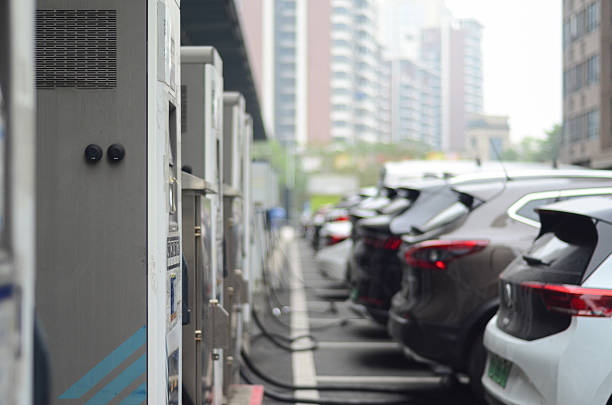
A liquid-cooled DC EV charger is a direct current fast-charging system that uses coolant circulation to regulate heat generated by charging components such as power modules, connectors, cables, conductors, and charging terminals. Unlike conventional air-cooled chargers that rely on fans and airflow, liquid cooling transfers heat through specially designed coolant loops with significantly higher thermal efficiency.
The main purpose of liquid cooling is to maintain stable operating temperatures during high-power charging sessions. As charging currents increase, electrical resistance generates heat within cables and electronic components. Excessive heat can reduce charging efficiency, accelerate equipment aging, and trigger thermal derating that limits charging speed.
Liquid-cooled systems solve this problem by rapidly removing heat from critical components, allowing chargers to sustain higher power outputs for longer periods.
These systems are commonly used in:
- Ultra-fast highway charging stations
- Commercial fleet depots
- Heavy-duty truck charging
- Mining and industrial vehicle charging
- Electric bus infrastructure
- Port and logistics charging hubs
- High-utilization public charging networks
- Megawatt charging applications
As EV battery capacities increase and charging expectations grow, liquid cooling is becoming an essential technology for next-generation charging infrastructure.
Liquid cooling systems operate using a closed-loop coolant circulation process that transfers heat away from critical charging components.
The system generally includes:
- Coolant pumps
- Heat exchangers
- Cooling plates
- Thermal sensors
- Radiators
- Flexible liquid-cooled charging cables
- Intelligent thermal management controls
During charging, heat generated by electrical current is absorbed by the coolant flowing through cooling channels near heat-sensitive components. The heated coolant then passes through a heat exchanger or radiator where the heat is dissipated before the coolant recirculates through the system.
This process provides significantly higher heat transfer efficiency compared to air cooling.
Key cooling targets include:
Power Modules
High-power semiconductor devices generate substantial heat during energy conversion. Liquid cooling helps maintain optimal operating temperatures and stable power delivery.
Charging Cables
Ultra-fast charging requires very high current levels. Without liquid cooling, cables would become extremely thick, heavy, and difficult to handle. Liquid-cooled cables remain thinner, lighter, and more flexible.
Charging Connectors
Connector temperature management is essential for safety and reliability. Liquid cooling helps prevent overheating during prolonged high-current charging.
Internal Electronics
Sensitive electronic control systems benefit from stable thermal conditions that improve reliability and reduce maintenance requirements.
Liquid cooling offers several important advantages over traditional air-cooled charging systems.
Higher Power Density
Liquid cooling enables chargers to deliver much higher continuous power output in a more compact footprint. This allows operators to install ultra-fast charging infrastructure without dramatically increasing cabinet size.
Modern liquid-cooled chargers can support:
- 350 kW charging
- 480 kW charging
- 600 kW charging
- Megawatt-level truck charging
These power levels are difficult to sustain efficiently with air cooling alone.
Reduced Thermal Derating
Thermal derating occurs when chargers automatically reduce output power to prevent overheating. This can significantly increase charging times and reduce station efficiency.
Liquid cooling minimizes temperature rise, allowing chargers to maintain maximum output for longer periods even in demanding environments.
Improved Cable Flexibility
One of the biggest advantages of liquid cooling is cable optimization. High-current air-cooled cables are typically very thick and heavy due to the conductor size required to handle heat.
Liquid-cooled cables can carry higher currents using smaller conductor cross-sections because heat is actively removed by the coolant system.
Benefits include:
- Easier cable handling
- Improved user comfort
- Better accessibility
- Reduced physical strain
- Enhanced public charging experience
Lower Noise Levels
Air-cooled systems often require large fans operating continuously at high speed. Liquid-cooled systems generally operate more quietly because thermal management relies less on airflow.
This is particularly important for:
- Urban charging stations
- Residential areas
- Commercial parking facilities
- Public transportation hubs
Longer Equipment Lifespan
Heat is one of the primary causes of electronic component degradation. By maintaining lower operating temperatures, liquid cooling reduces thermal stress on critical equipment.
This improves:
- Charger reliability
- System stability
- Component longevity
- Maintenance intervals
- Return on investment
Cooling architecture directly impacts the commercial performance of EV charging infrastructure. Selecting the correct cooling strategy is not simply an engineering decision; it affects operational efficiency, maintenance costs, user satisfaction, and long-term project viability.
Commercial charging stations often operate continuously under heavy loads. Insufficient cooling can lead to unstable charging sessions, reduced charging speeds, and unexpected interruptions.
Liquid cooling ensures more consistent high-power delivery during peak demand periods.
Cable weight and flexibility play a major role in charging convenience. Heavy cables can frustrate users, especially during public charging or fleet operations.
Liquid-cooled cables provide a more ergonomic charging experience.
High-temperature environments accelerate equipment wear. Commercial stations located in hot climates or high-utilization locations require advanced thermal management to maintain reliability.
Liquid cooling reduces thermal stress and extends equipment lifespan.
Different charging applications require different cooling strategies. While air cooling may be sufficient for lower-power charging stations, ultra-fast commercial charging often benefits significantly from liquid cooling technology.
The ideal cooling design depends on:
- Daily charging frequency
- Charging duration
- Vehicle type
- Power demand
- Climate conditions
- Space limitations
- Utilization rates
Liquid-cooled charging systems are increasingly used in demanding commercial and industrial applications.
Long-distance EV travel requires rapid charging solutions that minimize downtime. Highway charging stations are adopting liquid-cooled chargers to provide faster charging sessions and support growing traffic volumes.
These systems help drivers recharge large battery packs quickly during road trips.
Heavy-duty trucks require extremely high charging power due to their large battery capacities. Liquid-cooled chargers are critical for supporting megawatt-level charging required by commercial freight operations.
Truck charging depots benefit from:
- Faster turnaround times
- Reduced fleet downtime
- Higher operational efficiency
- Improved route productivity
Public transportation fleets often operate on strict schedules. Liquid-cooled chargers allow electric buses to recharge rapidly between service cycles.
This supports:
- Opportunity charging
- Depot charging
- Overnight charging
- High-frequency transit operations
Warehouses and logistics centers increasingly rely on electric delivery vehicles, forklifts, and transport equipment. Liquid-cooled chargers help maintain continuous fleet operation under demanding schedules.
Mining trucks and industrial electric equipment operate in harsh environments with high power requirements. Liquid cooling enhances charging durability and operational reliability.
Ports are electrifying cargo handling equipment, terminal vehicles, and transportation systems to reduce emissions. Liquid-cooled charging systems support heavy-duty operations with stable high-power charging.
The future of commercial EV charging is moving toward megawatt charging systems (MCS), especially for heavy-duty transportation.
Megawatt charging aims to deliver extremely high charging power for:
- Long-haul electric trucks
- Construction equipment
- Mining vehicles
- Industrial transport fleets
- Maritime electrification
At these power levels, thermal management becomes absolutely essential. Liquid cooling enables the safe handling of extremely high currents that would otherwise create excessive heat.
Megawatt charging systems are expected to significantly reduce charging times for heavy commercial vehicles, helping accelerate fleet electrification worldwide.
Both cooling technologies have advantages depending on the charging application.
Advantages:
- Lower initial cost
- Simpler maintenance
- Proven technology
- Suitable for lower-power applications
Limitations:
- Lower thermal efficiency
- Larger cable size at high current
- Increased fan noise
- Greater thermal derating risk
Advantages:
- Higher continuous power
- Better thermal stability
- Improved cable flexibility
- Reduced noise
- Enhanced reliability
Limitations:
- Higher initial investment
- More complex cooling systems
- Additional coolant maintenance
As charging power continues to increase, liquid cooling is becoming more attractive for high-demand commercial infrastructure.
These cables contain integrated coolant channels that circulate cooling fluid around conductors.
Advantages include:
- Smaller cable diameter
- Higher current capability
- Better flexibility
- Improved ergonomics
Modern DC chargers use highly efficient power electronics that generate significant heat. Liquid cooling helps maintain stable semiconductor performance.
Advanced sensors and intelligent controls continuously monitor temperature and regulate coolant flow.
Smart thermal systems improve:
- Efficiency
- Safety
- Performance optimization
- Predictive maintenance
Heat exchangers transfer thermal energy away from coolant loops, helping maintain stable system temperatures during continuous operation.
Safety is a top priority in high-power charging infrastructure.
Modern liquid-cooled systems include:
- Leak detection systems
- Temperature monitoring
- Automatic shutdown protection
- Pressure monitoring
- Electrical isolation safeguards
- Intelligent fault diagnostics
These systems help ensure safe operation even under extreme charging conditions.
Manufacturers also use specialized non-conductive coolants to minimize electrical risks.
Liquid-cooled charging systems can improve overall energy efficiency by reducing thermal losses and maintaining stable operating conditions.
Benefits include:
- Lower energy waste
- Improved charging consistency
- Better power conversion efficiency
- Reduced cooling energy consumption
- Enhanced station utilization
Efficient charging infrastructure supports broader sustainability goals and helps reduce operational costs over time.
Despite its advantages, liquid cooling also presents several challenges.
Higher Initial Cost
Liquid-cooled chargers generally require more advanced engineering and additional components, increasing upfront investment.
Maintenance Requirements
Coolant systems require periodic inspection and maintenance to ensure proper performance.
This may include:
- Coolant replacement
- Pump maintenance
- Leak inspections
- Thermal system diagnostics
Infrastructure Complexity
Installation and servicing may require specialized expertise compared to traditional air-cooled systems.
Standardization Issues
As the industry evolves, charging standards for high-power liquid-cooled systems continue developing.
Interoperability and compatibility remain important considerations for infrastructure providers.
Several market trends are accelerating demand for liquid-cooled DC chargers.
Growing EV Battery Capacities
Larger batteries require faster charging solutions to maintain convenience and commercial productivity.
Expansion of Commercial EV Fleets
Fleet electrification is increasing demand for high-power charging infrastructure capable of supporting continuous operation.
Government Infrastructure Investment
Many governments are investing heavily in EV charging networks as part of clean transportation initiatives.
Demand for Faster Charging
Consumers increasingly expect shorter charging times similar to traditional refueling experiences.
Urban Electrification
Cities are adopting electric buses, delivery fleets, and transportation systems that require reliable high-power charging.
The charging industry continues introducing new innovations.
Silicon Carbide Power Electronics
Silicon carbide semiconductors improve efficiency and reduce heat generation in high-power charging systems.
Smart Energy Management
AI-driven charging management systems optimize power distribution, thermal performance, and grid interaction.
Modular Charger Design
Modular architectures simplify maintenance and improve scalability for growing charging networks.
Integrated Battery Storage
Some charging stations combine liquid-cooled chargers with battery storage systems to reduce grid stress during peak demand.
Renewable Energy Integration
Liquid-cooled charging stations increasingly integrate with solar and renewable energy infrastructure.
Fleet operators require reliable charging infrastructure capable of supporting large numbers of vehicles with minimal downtime.
Liquid-cooled chargers help fleets achieve:
- Faster charging cycles
- Increased vehicle utilization
- Reduced operational delays
- Lower maintenance costs
- Improved energy efficiency
Industries adopting fleet electrification include:
- Logistics
- Public transit
- Construction
- Delivery services
- Municipal operations
- Port equipment
- Industrial transportation
As commercial fleets expand, liquid cooling will become increasingly important for maintaining operational continuity.
The future of EV charging is clearly moving toward higher power, faster charging, and greater operational efficiency. Liquid-cooled DC chargers are expected to play a central role in this transition.
Several developments are likely to shape the industry:
Wider Deployment of Ultra-Fast Charging
More public charging stations will adopt liquid-cooled technology to support next-generation EVs.
Expansion of Heavy-Duty Charging Networks
Truck charging infrastructure will continue growing rapidly as freight transportation electrifies.
Megawatt Charging Standardization
Industry-wide charging standards will improve compatibility and accelerate deployment.
Smarter Charging Ecosystems
AI-enabled energy management and predictive maintenance will improve charging reliability and efficiency.
Increased Manufacturing Scale
As adoption grows, manufacturing costs for liquid-cooled systems are expected to decline.
Efficient charging infrastructure supports global sustainability efforts by enabling broader EV adoption and reducing emissions from transportation.
Liquid-cooled charging systems contribute through:
- Improved energy efficiency
- Reduced equipment waste
- Longer operational lifespan
- Support for clean transportation
- Lower maintenance-related resource consumption
As transportation electrification expands, advanced charging infrastructure will become essential for reducing global carbon emissions.
Selecting the appropriate charging solution requires evaluating operational requirements carefully.
Key considerations include:
- Required charging power
- Vehicle types
- Daily utilization rates
- Installation environment
- Climate conditions
- Grid capacity
- Maintenance capabilities
- Future scalability
Not every site requires liquid cooling, but high-demand commercial operations often benefit significantly from advanced thermal management.
Proper system selection ensures:
- Reliable charging performance
- Lower operating costs
- Improved customer satisfaction
- Better long-term infrastructure value
Liquid-cooled DC EV chargers are shaping the future of high-power EV charging infrastructure as demand grows across passenger vehicles, commercial fleets, heavy-duty trucks, and public transit systems. Using advanced coolant circulation, they deliver superior thermal management, higher power output, improved cable flexibility, and greater reliability for ultra-fast charging applications. Although they require higher initial investment and more complex engineering, their long-term performance and efficiency benefits make them ideal for demanding environments such as highways, logistics hubs, and industrial sites. Liquid cooling will continue to play a key role in enabling faster charging, fleet electrification, and sustainable transportation development.
