
As electric vehicles continue to gain popularity worldwide, the demand for convenient and efficient charging solutions is growing rapidly. While fixed wall-mounted chargers and public charging stations remain the primary charging methods for many EV owners, portable EV chargers have emerged as an essential backup and travel-friendly solution. These compact charging devices provide flexibility, convenience, and peace of mind for drivers who need reliable charging access wherever they go.
Portable EV chargers are designed to help solve one of the most common concerns among electric vehicle owners — range anxiety. Although modern EVs now offer significantly longer driving ranges than earlier models, many drivers still worry about running out of battery power when traveling long distances or driving in areas with limited charging infrastructure. Portable chargers help reduce this concern by allowing users to recharge their vehicles from available power outlets in homes, hotels, campsites, workplaces, or temporary locations.
Unlike permanently installed charging stations, portable EV chargers can be easily transported and stored inside the vehicle. This mobility makes them highly valuable for emergency charging situations, outdoor activities, temporary charging setups, and road trips. As charging technologies continue to evolve, portable chargers are becoming smarter, safer, faster, and more versatile, making them an increasingly important component of the global electric mobility ecosystem.
This article explores portable EV chargers in detail, including their working principles, advantages, charging capabilities, safety features, applications, technological developments, and future industry trends.
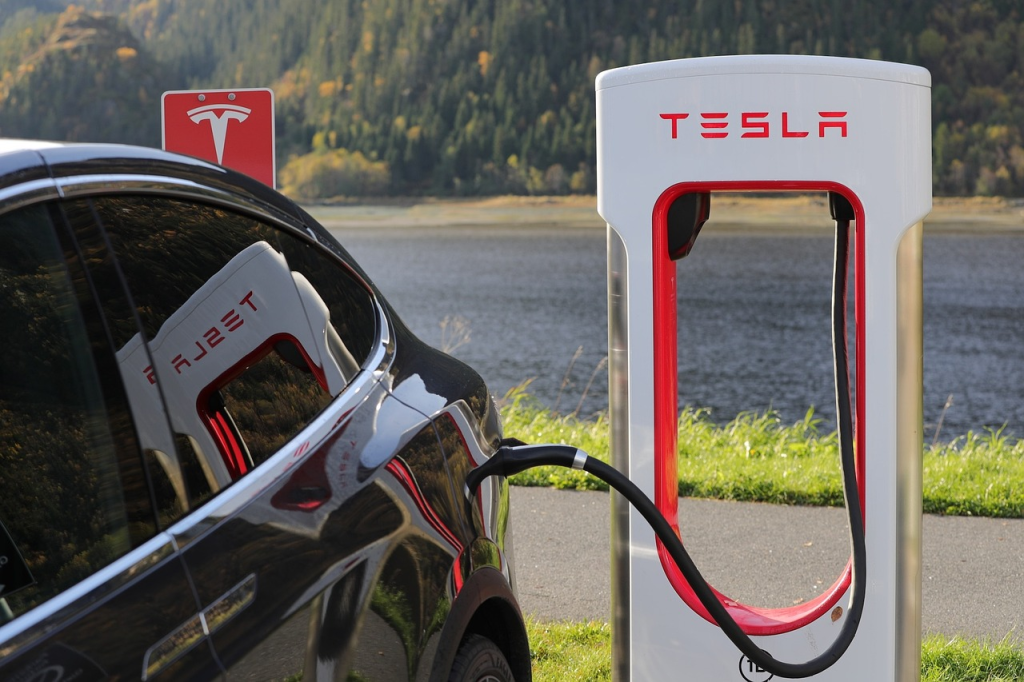
A portable EV charger is a compact and movable charging device that delivers electrical energy from a power source to an electric vehicle battery. Unlike fixed EV charging stations that require permanent installation, portable chargers are designed for flexible use in multiple locations.
Most portable EV chargers include:
- A charging connector
- Power cable
- Control box
- Safety protection system
- Plug adapters for different outlets
These chargers can connect directly to standard household outlets or higher-capacity industrial sockets depending on the charging level and power requirements.
Portable EV chargers are commonly used for:
- Emergency charging
- Travel charging
- Temporary charging setups
- Backup home charging
- Outdoor charging applications
- Fleet and commercial operations
Their portability and ease of use make them highly practical for EV owners who require charging flexibility beyond fixed charging infrastructure.
Reducing Range Anxiety
Range anxiety remains one of the biggest psychological barriers to electric vehicle adoption. Even though many modern EVs can travel more than 250 miles on a single charge, drivers may still feel concerned about battery depletion during long-distance travel or in remote areas.
Portable EV chargers provide additional confidence by allowing drivers to recharge from accessible power sources whenever necessary. Carrying a portable charger inside the vehicle creates an extra layer of charging security and helps drivers feel more comfortable using electric vehicles in various situations.
Supporting Flexible Charging
One of the main advantages of portable chargers is their flexibility. Users can charge their vehicles in numerous environments, including:
- Residential homes
- Apartments
- Hotels
- Campgrounds
- Offices
- Vacation properties
- Parking garages
- Construction sites
This flexibility is particularly valuable for individuals who frequently travel or do not have access to permanent charging stations.
Useful for Temporary Installations
Portable EV chargers are ideal for temporary charging scenarios where installing a fixed charging station may not be practical or economical.
Examples include:
- Rental properties
- Temporary workplaces
- Outdoor exhibitions
- Mobile businesses
- Event venues
Because portable chargers require little or no installation, they can be deployed quickly and easily.
Although both systems are designed to charge electric vehicles, portable chargers and fixed wallboxes serve different purposes and offer unique advantages.
Portable EV Charger
- Compact and lightweight
- Easy to carry
- Can be used in multiple locations
- Ideal for travel and emergency charging
Fixed Wallbox
- Permanently installed
- Intended for one charging location
- Not easily movable
- Best suited for regular home charging
The mobility of portable chargers makes them especially useful for EV owners with dynamic lifestyles.
Portable Charger
- Usually supports Level 1 or portable Level 2 charging
- Moderate charging speed
- Suitable for overnight charging
Fixed Wallbox
- Higher charging power
- Faster charging performance
- Better for daily intensive use
Wallboxes typically provide more consistent high-speed charging because they are connected to dedicated electrical circuits.
Portable Charger
- Plug-and-play operation
- Minimal installation
- Lower upfront costs
Wallbox
- Requires professional installation
- May require electrical upgrades
- Higher installation expenses
Portable chargers are often more convenient for users seeking a simple charging solution without permanent modifications.
Portable EV chargers are available in several configurations depending on voltage, power level, and charging speed.
Level 1 chargers use standard household electrical outlets.
Features of Level 1 Portable Chargers
- Operate on 120V power
- Simple charging setup
- Basic charging performance
Advantages of Level 1 Portable Chargers
- Widely accessible
- No special installation needed
- Convenient emergency charging solution
Limitations of Level 1 Portable Chargers
- Slow charging speed
- Long charging duration
A full charge using a Level 1 charger may take more than 24 hours depending on battery size.
Portable Level 2 chargers operate on higher-voltage power systems and offer significantly faster charging.
Features of Level 2 Portable Chargers
- Use 240V power supply
- Faster charging capability
- Adjustable charging current
- Improved efficiency
Advantages of Level 2 Portable Chargers
- Practical overnight charging
- Greater driving range recovery
- Better charging flexibility
Limitations of Level 2 Portable Chargers
- Requires compatible electrical outlets
- Higher equipment cost
Portable Level 2 chargers are increasingly becoming the preferred portable charging option for many EV owners.
Advanced portable chargers now integrate intelligent charging functions and wireless connectivity.
Smart Features
- Mobile app control
- Wi-Fi and Bluetooth connectivity
- Charging schedule management
- Energy monitoring
- Real-time charging status
- Fault detection alerts
Smart technologies improve charging efficiency and overall user experience.
Portable EV chargers safely transfer electricity from a power source to the vehicle battery through controlled communication between the charger and the EV.
Charging Connector
The connector interfaces with the vehicle charging port.
Control Unit
The control box regulates:
- Voltage
- Current
- Charging communication
- Safety functions
Power Cable
The cable supplies electricity from the outlet to the charger.
Protection Systems
Built-in protection features help prevent:
- Overheating
- Electrical overload
- Short circuits
- Ground faults
- Current leakage
These systems ensure safe charging operation under different conditions.
The charging sequence typically includes:
- Connecting the charger to a power outlet
- Plugging the connector into the vehicle
- Establishing communication between charger and vehicle
- Performing safety checks
- Starting power delivery
- Monitoring charging conditions
- Automatically stopping when charging is complete
The process is designed to maximize safety and charging efficiency.
Charging speed depends on several factors, including:
- Charger power output
- Electrical voltage
- Charging current
- Vehicle onboard charger capacity
- Battery condition
Typical Level 1 charging performance:
- Adds approximately 3–5 miles of range per hour
- Full charging may require 20–40 hours
Level 1 charging is generally suitable for emergency or occasional charging.
Portable Level 2 chargers deliver much faster charging.
Typical performance:
- Adds 10–35 miles of range per hour
- Can restore 200–300 miles overnight using 32A charging
- A 16A charger may add 100–180 miles overnight
Actual charging speed varies depending on vehicle specifications and charging conditions.
Adjustable Charging Current
Many portable chargers support adjustable amperage settings such as:
- 8A
- 10A
- 16A
- 24A
- 32A
This flexibility allows users to match charging power with available electrical capacity.
Multiple Plug Adapters
Portable chargers often include interchangeable plug adapters compatible with:
- Standard household outlets
- RV outlets
- Industrial sockets
- Commercial electrical systems
Adapter flexibility improves charging accessibility during travel.
Weather Resistance
Outdoor charging capability is an important consideration.
High-quality chargers feature:
- Waterproof construction
- Dust protection
- UV resistance
- Rugged housing
IP54 and IP65 protection ratings are commonly used for outdoor durability.
Compact and Lightweight Design
Manufacturers prioritize portability through:
- Lightweight materials
- Flexible charging cables
- Compact control boxes
- Convenient carrying cases
Compact designs improve transport and storage convenience.
Safety remains one of the most critical aspects of EV charging equipment.
Electrical Safety Protection
Modern portable chargers often include:
- Overcurrent protection
- Overvoltage protection
- Overtemperature protection
- Surge protection
- Leakage current protection
- Ground fault interruption
These features help prevent accidents and equipment damage.
Safety Certifications
Reliable portable EV chargers should comply with international safety standards such as:
- CE
- UL
- FCC
- ETL
- TUV
- RoHS
Certified products provide greater reliability and regulatory compliance.
Durable Charging Cables
Charging cables must withstand:
- Frequent handling
- Outdoor conditions
- Mechanical stress
- Heat generation
High-quality insulation and abrasion-resistant materials improve durability and safety.
Selecting the right portable charger depends on individual driving habits, charging requirements, and environmental conditions.
Users should confirm compatibility between the charger connector and vehicle charging interface.
Common connector standards include:
- Type 1
- Type 2
- CCS
- GB/T
- NACS
Proper compatibility ensures safe and efficient charging.
Occasional Charging
A basic Level 1 charger may be adequate.
Frequent Charging
Portable Level 2 chargers provide better performance and convenience.
Drivers with long daily commutes generally benefit from faster charging capability.
Users should evaluate:
- Household outlet access
- Availability of 240V outlets
- Industrial socket compatibility
- Electrical capacity limitations
Power availability directly affects charging flexibility and speed.
Longer charging cables improve convenience but may reduce portability.
Common cable lengths include:
- 16 feet
- 20 feet
- 25 feet
Users should select an appropriate balance between reach and portability.
Outdoor charging requires strong environmental durability.
Important factors include:
- Waterproof rating
- Temperature resistance
- Dust protection
- UV resistance
Rugged construction improves long-term reliability.
Portable EV chargers support a broad range of applications across residential, commercial, and industrial sectors.
Homeowners use portable chargers for:
- Daily charging
- Apartment charging
- Shared parking areas
- Backup charging systems
Portable chargers are especially useful where permanent wallbox installation is difficult.
Portable chargers provide valuable support during long-distance travel.
Drivers can recharge vehicles at:
- Hotels
- RV parks
- Campsites
- Vacation homes
Travel flexibility significantly enhances EV usability.
Fleet operators use portable chargers for:
- Mobile charging support
- Temporary job site charging
- Emergency fleet charging
- Service vehicle operations
Portable charging improves operational efficiency and flexibility.
Portable chargers are highly valuable during:
- Charging station failures
- Unexpected battery depletion
- Power outages
- Remote travel situations
Backup charging capability provides additional security for EV owners.
Portable EV chargers offer numerous benefits.
Flexible Charging Access
Users can charge vehicles in many different locations.
Mobility
Portable chargers can easily be transported between sites.
Lower Installation Costs
Most portable chargers require minimal setup.
Backup Charging Security
Portable chargers provide emergency charging capability.
Versatility
Portable chargers support diverse charging environments.
Convenience
Users can maintain charging access during travel and temporary stays.
Despite their advantages, portable chargers also have some limitations.
Slower Charging Speeds
Portable chargers are generally slower than dedicated DC fast chargers or high-power wallboxes.
Limited Smart Energy Features
Some models lack advanced:
- Load balancing
- Solar integration
- Energy management systems
Dependence on Available Power
Charging capability depends on local electrical infrastructure.
Equipment Wear
Frequent transportation and handling may increase wear on cables and connectors.
The portable EV charger industry is evolving rapidly with new technological innovations.
Smart Charging Technology
Manufacturers are introducing:
- Remote control apps
- Intelligent charging schedules
- Energy optimization systems
- Cloud connectivity
Smart charging improves convenience and energy efficiency.
Faster Portable Charging
Advances in power electronics and thermal management are enabling:
- Higher charging current
- Improved efficiency
- Better cooling performance
Future portable chargers are expected to deliver even faster charging speeds.
Renewable Energy Integration
Some portable chargers now support:
- Solar panel integration
- Portable battery storage
- Off-grid charging systems
Renewable energy compatibility supports sustainable transportation goals.
Bi-Directional Charging
Future portable chargers may support:
- Vehicle-to-home systems
- Vehicle-to-grid applications
- Emergency power backup
Bi-directional charging could transform EVs into mobile energy storage systems.
The global portable EV charger market is experiencing strong growth driven by rising EV adoption and infrastructure expansion.
Increasing Electric Vehicle Sales
Growing global EV production directly increases demand for flexible charging solutions.
Governments worldwide continue supporting:
- Carbon reduction initiatives
- Clean transportation policies
- Charging infrastructure investment
These factors contribute to rapid industry growth.
Rising Consumer Demand for Flexibility
Modern consumers increasingly value:
- Mobility
- Convenience
- Backup charging capability
- Travel-friendly solutions
Portable chargers align well with these preferences.
Technological Innovation
Manufacturers continue improving:
- Charging speed
- Safety systems
- Durability
- Smart functionality
- Product compatibility
Innovation is expanding product diversity and improving overall performance.
The future of portable EV charging technology appears highly promising as electric mobility continues to expand globally.
Future developments are expected to include:
- Smaller and lighter designs
- Higher charging power
- Improved energy efficiency
- Universal charging compatibility
- AI-powered energy management
- Enhanced smart home integration
As charging infrastructure continues to improve, portable chargers will remain an important solution for flexible and emergency charging needs.
Portable EV chargers have become an essential accessory for modern electric vehicle owners. Their flexibility, convenience, and mobility provide reliable charging access in a wide variety of environments, helping drivers reduce range anxiety and improve travel confidence. Although portable chargers may not match the speed of dedicated wallboxes or DC fast chargers, they offer significant advantages for backup charging, temporary installations, travel applications, and emergency situations.
As the global electric vehicle market continues to grow, demand for portable charging solutions is expected to increase significantly. Advances in charging technology, smart connectivity, renewable energy integration, and safety systems are making portable EV chargers more powerful, intelligent, and user-friendly.
For consumers, businesses, and fleet operators alike, portable EV chargers represent a practical and versatile charging solution that supports the ongoing transition toward sustainable electric transportation.
