
The global shift toward electric mobility is rapidly transforming the automotive industry. As more consumers purchase electric vehicles (EVs), the demand for reliable and efficient home charging solutions continues to grow. Home charging has become one of the most important aspects of EV ownership because it provides convenience, lower operating costs, and dependable daily charging access.
Unlike traditional gasoline vehicles that rely on public fuel stations, electric vehicles allow drivers to recharge their batteries directly at home. This flexibility is one of the major advantages of EV ownership. However, installing a home charging system requires careful planning to ensure safety, efficiency, and long-term usability.
Electric vehicle home charging installation involves more than simply plugging in a charger. Homeowners must consider electrical capacity, charger placement, cable management, vehicle compatibility, future expansion, and overall installation costs. Proper planning can improve charging performance, reduce energy waste, and prevent costly modifications later.
As EV technology evolves, modern charging systems are becoming smarter, faster, and more connected. Many homeowners are now upgrading from basic Level 1 charging to more powerful Level 2 charging stations that provide significantly faster charging times. Smart charging features such as Wi-Fi connectivity, mobile applications, energy monitoring, and load management are also becoming standard in modern EV charging systems.
This article explores the key considerations involved in electric vehicle home charging installation, including electrical requirements, charger placement, indoor versus outdoor installation, safety practices, and selecting the right charging outlet for current and future needs.
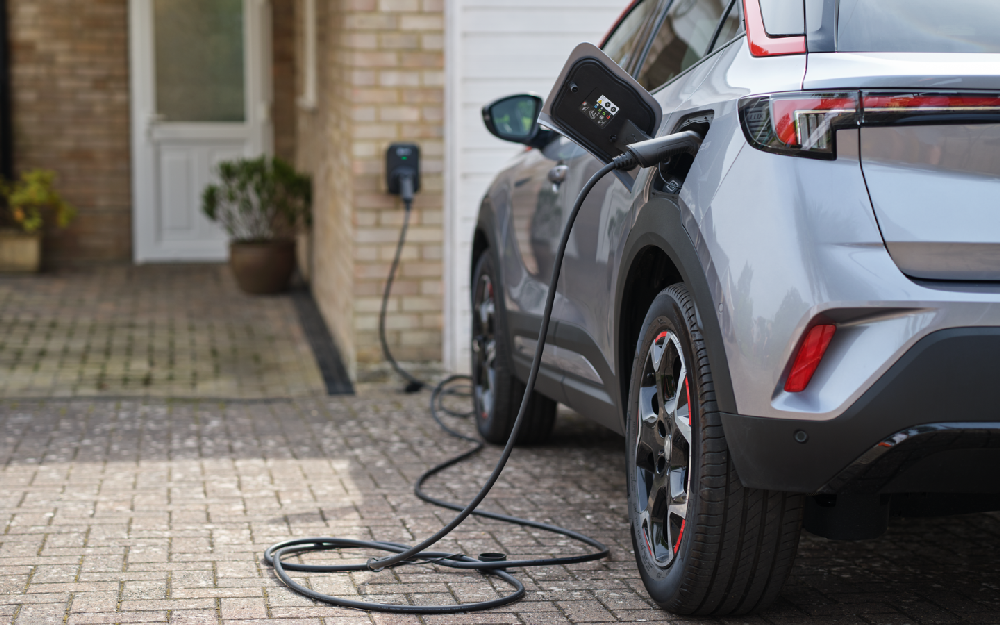
The increasing popularity of electric vehicles is driving demand for residential charging infrastructure worldwide. Home EV charging offers EV owners unmatched convenience because vehicles can recharge overnight while parked in a garage or driveway.
For most drivers, home charging eliminates the need for frequent visits to public charging stations. Instead, the vehicle starts each day with a full or partially replenished battery, making daily commuting more practical and efficient.
Several factors are contributing to the rapid growth of residential EV charging:
- Rising EV adoption worldwide
- Government incentives for clean transportation
- Expanding availability of electric vehicle models
- Improved battery technologies
- Growing environmental awareness
- Increasing fuel costs
- Advancements in charging equipment
As the EV market expands, homeowners are recognizing the importance of installing reliable and scalable charging systems that can support long-term vehicle ownership.
Before installing a home charging system, it is important to understand the different types of EV charging available.
Level 1 charging uses a standard 120-volt household outlet. Most electric vehicles include a portable Level 1 charging cable that can plug directly into a conventional outlet.
Advantages of Level 1 charging include:
- Low installation cost
- No specialized electrical upgrades required
- Simple setup
- Suitable for overnight charging in low-mileage driving situations
However, Level 1 charging is relatively slow. Depending on the vehicle, charging may add only a few miles of driving range per hour. For drivers with long commutes or large battery vehicles, Level 1 charging may not provide sufficient charging speed.
Level 2 charging uses a 240-volt electrical circuit similar to those used for electric dryers or ovens. These charging systems provide significantly faster charging speeds and are the preferred solution for most EV owners.
Benefits of Level 2 charging include:
- Faster charging performance
- Greater daily convenience
- Improved energy efficiency
- Better support for larger battery packs
- Compatibility with smart charging features
A Level 2 charger can typically fully recharge most EVs overnight, making it ideal for daily use.
One of the most important considerations during EV charger installation is the distance between the electrical panel and the charging station location.
The farther the charger is from the electrical panel, the more wiring, conduit, and labor are required for installation. High-capacity EV chargers require heavy-gauge copper wiring capable of safely carrying substantial electrical current.
Longer installation distances increase:
- Material costs
- Labor costs
- Conduit requirements
- Installation complexity
- Voltage drop concerns
As a result, charger placement significantly affects the total project budget.
Installing the charger close to the electrical panel is often the most cost-effective solution. Shorter wiring runs reduce electrical losses and simplify installation procedures.
In garages where the panel is located nearby, installation may be relatively straightforward. However, detached garages, outdoor parking areas, or long driveway installations may require trenching, underground conduit, or extensive cable routing.
Another critical consideration is whether the existing electrical panel has enough available capacity to support the EV charger.
Modern Level 2 chargers may require:
- 40-amp circuits
- 50-amp circuits
- 60-amp circuits
- Dedicated breaker installation
Older homes may already operate near their electrical capacity limits, making panel upgrades necessary.
Many homeowners are choosing to future-proof their charging infrastructure by installing larger circuits or upgrading electrical service capacity during the initial installation.
This approach provides flexibility for:
- Future EV purchases
- Dual EV households
- Faster charging systems
- Additional smart home technologies
- Solar energy integration
- Battery storage systems
Load management or load shedding systems can also help homeowners add EV chargers without requiring expensive full-service electrical upgrades.
Unlike gasoline vehicles with relatively standardized fuel door locations, electric vehicle charging ports vary widely between manufacturers and models.
Understanding the charging port location is essential when planning charger placement.
Front Center
Some electric vehicles place the charging port at the front center of the vehicle. This design is common in certain older EV models and some European vehicles.
Front Left or Right Fender
Many modern sedans and SUVs position charging ports near the front fenders for convenient access.
Rear Left or Right Side
Rear-mounted charging ports are common among Tesla vehicles and manufacturers adopting the NACS charging standard.
Improper charger positioning can create inconvenience and safety risks. Drivers should park the vehicle exactly where it will normally charge and carefully measure cable reach before installation.
Factors to consider include:
- Charging cable length
- Parking orientation
- Garage space limitations
- Door clearance
- Walking paths
- Cable slack
Most Level 2 charging cables range from approximately 18 to 25 feet in length. Sufficient cable slack should be available without creating tripping hazards or excessive cable tension.
Homeowners must also decide whether to install the charging station indoors or outdoors.
Both installation methods offer advantages and limitations depending on property layout and climate conditions.
Garage installation remains the preferred option for many homeowners.
Benefits include:
- Protection from weather exposure
- Reduced UV damage
- Lower risk of corrosion
- Cleaner charging equipment
- Extended cable lifespan
- Improved security
- Better winter charging comfort
Indoor installations also help protect connectors and cables from rain, snow, dirt, and debris.
Outdoor installations are ideal for homes without garages or households with multiple vehicles.
Advantages include:
- Greater accessibility
- Easier multi-vehicle charging
- Flexible parking arrangements
- Suitable for detached garages
- Better accommodation for large vehicles
Modern EV chargers are typically designed for outdoor use and carry weatherproof ratings such as NEMA 3R or NEMA 4.
Outdoor charging stations should be mounted securely on walls or pedestals and positioned to minimize exposure to physical damage.
Important considerations include:
- Weather resistance
- Sun exposure
- Water drainage
- Vehicle traffic
- Pedestrian pathways
- Cable routing
- Snow removal access
Proper installation planning helps ensure safe and reliable outdoor operation throughout the year.
Cable management is often overlooked during EV charger installation, but it plays a major role in safety and convenience.
Level 2 charging cables can be relatively thick and heavy due to their high electrical capacity.
Poor cable management may result in:
- Tripping hazards
- Cable damage
- Connector wear
- Vehicle damage
- Reduced equipment lifespan
Leaving charging cables coiled on the floor can create hazards for both drivers and pedestrians.
Cable holsters, retractors, or wall-mounted hooks help keep cables organized and protected when not in use.
Benefits of proper cable management include:
- Improved safety
- Cleaner appearance
- Reduced cable wear
- Easier daily use
- Better equipment protection
The charger should not be mounted behind door swings or in locations where vehicle doors, garbage bins, bicycles, or other objects may strike the equipment.
Maintaining clear access around the charging station improves both usability and safety.
Selecting the correct charging outlet is critical for long-term charging performance and compatibility.
Level 1 chargers use standard household outlets, but the circuit should still be inspected to ensure it can safely support continuous charging loads.
Dedicated circuits are recommended whenever possible.
Level 2 charging systems often use:
- NEMA 14-50 outlets
- Hardwired charging stations
- NEMA 6-50 outlets
Hardwired chargers are increasingly popular because they offer:
- Better weather resistance
- Higher charging capacity
- Improved electrical reliability
- Cleaner installation appearance
Not all chargers are compatible with every vehicle model. Homeowners should verify:
- Connector compatibility
- Charging speed compatibility
- Maximum charging acceptance rate
- Smart charging support
Consulting vehicle specifications helps ensure optimal charging performance.
Modern EV chargers are becoming increasingly intelligent and connected.
Smart charging systems provide advanced features such as:
- Wi-Fi connectivity
- Mobile app control
- Charging schedules
- Energy monitoring
- Utility rate optimization
- Remote diagnostics
- Software updates
- Voice assistant integration
These features allow homeowners to optimize charging efficiency and reduce electricity costs.
Time-of-Use Charging
Many utility companies offer lower electricity rates during off-peak hours.
Smart chargers can automatically schedule charging sessions during these lower-cost periods, helping homeowners save money.
Load Balancing Technology
Load balancing systems monitor household electricity usage and adjust charging power accordingly.
This prevents electrical overload while maximizing available charging performance.
Although some EV charging systems appear simple to install, professional installation is strongly recommended.
Licensed electricians ensure compliance with:
- Local electrical codes
- Safety standards
- Permit requirements
- Utility regulations
- Grounding requirements
Professional installation also reduces the risk of:
- Electrical fires
- Circuit overload
- Equipment damage
- Shock hazards
- Improper grounding
Many charger manufacturers also require certified installation to maintain warranty coverage.
Many regions require permits for Level 2 charger installations.
Permit requirements may include:
- Electrical inspections
- Utility approval
- Load calculations
- Code compliance verification
Homeowners should consult local authorities or licensed electricians before beginning installation work.
Proper permitting helps ensure safe operation and may also be necessary for insurance coverage or future property sales.
As renewable energy adoption increases, many homeowners are combining EV charging systems with residential solar power installations.
Solar-powered EV charging offers several advantages:
- Reduced electricity costs
- Lower carbon emissions
- Increased energy independence
- Better sustainability
- Improved return on solar investment
Battery energy storage systems can further enhance charging flexibility by storing solar energy for nighttime vehicle charging.
Smart charging systems can also prioritize solar-generated electricity during charging sessions.
Many households are expected to own multiple electric vehicles in the future.
Planning ahead during charger installation can reduce future upgrade costs.
Future-proofing strategies include:
- Installing larger electrical conduits
- Upgrading panel capacity
- Choosing expandable charging systems
- Installing dual-port chargers
- Supporting higher amperage circuits
As EV technology evolves, charging requirements may continue to increase. A scalable charging setup helps homeowners adapt more easily to future developments.
Several common installation mistakes can reduce charging efficiency or create safety concerns.
Incorrect Charger Placement
Poor placement may result in insufficient cable reach or awkward parking arrangements.
Ignoring Electrical Capacity Limits
Overloading the electrical panel can create dangerous operating conditions.
Poor Cable Management
Improper cable storage increases wear and tripping risks.
Skipping Professional Installation
DIY electrical work can lead to serious safety hazards.
Failing to Plan for Future Needs
Installing minimal infrastructure today may require expensive upgrades later.
Careful planning helps homeowners avoid these costly mistakes.
Residential EV charging technology continues to evolve rapidly.
Future trends may include:
- Bidirectional charging
- Vehicle-to-home energy systems
- AI-driven energy management
- Wireless EV charging
- Faster residential charging speeds
- Smart grid integration
Vehicle-to-home technology could allow EVs to supply backup power during outages, further increasing the value of home charging infrastructure.
As battery technology improves, residential charging systems will become even more efficient and intelligent.
Electric vehicle charging supports broader environmental sustainability goals by reducing greenhouse gas emissions and fossil fuel dependence.
Home charging contributes to:
- Lower transportation emissions
- Improved urban air quality
- Reduced fuel consumption
- Better energy efficiency
- Increased renewable energy adoption
When paired with solar power, home EV charging can significantly reduce the environmental impact of personal transportation.
Electric vehicle home charging installation has become an essential part of modern EV ownership. A properly designed charging system provides convenience, faster charging, improved safety, and long-term reliability.
From selecting the right charger type to evaluating electrical panel capacity, charger placement, cable management, and future scalability, every aspect of installation plays an important role in overall charging performance.
Level 2 charging systems continue to gain popularity because they offer significantly faster charging speeds and greater flexibility for daily vehicle use. Smart charging technology, solar integration, and intelligent energy management are also shaping the future of residential charging infrastructure.
As electric vehicle adoption continues to accelerate globally, reliable home charging systems will remain critical for supporting the transition toward cleaner, more sustainable transportation. Proper planning and professional installation can help homeowners maximize charging efficiency, reduce operating costs, and prepare for the next generation of electric mobility.
