
The global electric vehicle industry is expanding rapidly as governments, automakers, and energy providers invest heavily in advanced charging infrastructure. With the increasing demand for faster charging speeds and higher power outputs, thermal management has become a critical factor in ensuring the safety, efficiency, and reliability of EV charging systems. During high-power charging operations, electrical components such as power modules, charging cables, connectors, and control systems generate significant heat that must be effectively dissipated.
Air cooling EV chargers have become a widely adopted solution for managing heat in commercial, public, and residential charging applications. These systems use ambient air, cooling fans, ventilation channels, and heat sinks to maintain stable operating temperatures inside the charger. Compared with liquid cooling systems, air cooling chargers offer a simpler structure, lower maintenance requirements, reduced installation costs, and reliable long-term performance.
Efficient thermal management helps prevent overheating, improves charging efficiency, reduces energy loss, and extends equipment lifespan. As EV charging infrastructure continues expanding across cities, highways, workplaces, and fleet operations, air cooling technology remains an important solution for supporting sustainable, economical, and scalable electric vehicle charging networks worldwide.
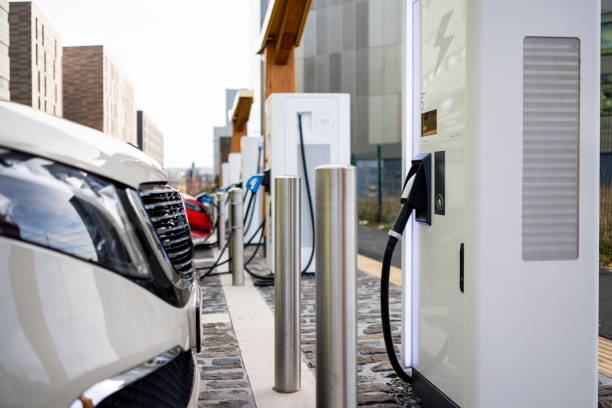
An air cooling EV charger is an electric vehicle charging system that uses ambient air circulation to remove heat generated during charging operations. Instead of relying on liquid coolant systems, pumps, or refrigeration circuits, air cooling chargers use fans, heat sinks, ventilation ducts, and airflow channels to regulate temperatures inside the charging equipment.
Air cooling systems are commonly integrated into:
- AC EV chargers
- DC fast chargers
- Portable charging units
- Wall-mounted charging stations
- Commercial charging cabinets
- Fleet charging infrastructure
The primary purpose of the cooling system is to maintain optimal operating temperatures for critical electrical and electronic components. During charging, energy conversion and current transmission generate heat within semiconductors, cables, power electronics, and charging connectors. Air cooling systems continuously move air through the charger enclosure to dissipate this heat and prevent overheating.
Most air cooling EV chargers include:
- High-efficiency cooling fans
- Aluminum heat sinks
- Intelligent temperature sensors
- Air filtration systems
- Ventilation grilles
- Thermal monitoring software
- Smart fan speed control systems
The cooling process may involve natural convection, forced air circulation, or a combination of both. In forced-air systems, cooling fans actively move air across heat-generating components to improve thermal dissipation efficiency.
Electric vehicle charging systems operate under demanding electrical conditions. High current flow through power electronics and charging cables inevitably generates heat. Managing this heat effectively is essential for ensuring safe, efficient, and reliable charging operations.
Lithium-ion batteries used in electric vehicles operate best within a relatively narrow temperature range, typically between 20°C and 45°C. Temperatures outside this optimal range can negatively affect battery efficiency, charging speed, and long-term lifespan.
During fast charging operations, several thermal challenges emerge:
- Increased electrical resistance generates more heat
- Power electronics experience higher thermal stress
- Charging cables become hotter under high current loads
- Connector temperatures rise significantly
- Internal charger components face continuous thermal cycling
Without adequate cooling systems, EV chargers may experience:
- Reduced charging performance
- Automatic power derating
- Slower charging speeds
- Higher energy losses
- Premature component aging
- Increased maintenance requirements
- Safety risks related to overheating
Effective thermal management ensures that charging equipment remains stable even during continuous high-power operation. Air cooling systems help maintain safe operating conditions while improving charger efficiency and extending equipment lifespan.
Air cooling EV chargers rely on airflow management to remove heat from internal components. The cooling process typically involves several coordinated thermal management mechanisms.
When electricity flows through charger circuits and power modules, electrical resistance converts some energy into heat. Components that commonly generate heat include:
- Insulated gate bipolar transistors (IGBTs)
- Silicon carbide (SiC) modules
- Power converters
- Transformers
- Charging cables
- Connectors
- Circuit boards
The amount of heat generated increases as charging power rises.
Heat produced by internal components transfers to heat sinks or cooling surfaces. Aluminum and copper heat sinks are commonly used because of their high thermal conductivity.
Cooling fans move ambient air through ventilation channels inside the charger cabinet. The airflow absorbs heat from the heat sinks and carries it away from sensitive components.
Warm air exits the charger enclosure through exhaust vents, while cooler ambient air enters through intake openings. This continuous airflow cycle maintains stable internal temperatures.
Modern air cooling chargers use sensors and software algorithms to monitor temperatures in real time. Fan speeds automatically adjust based on thermal conditions, optimizing cooling efficiency and reducing energy consumption.
Air cooling systems involve multiple integrated components working together to maintain thermal stability.
Fans are the core of forced-air cooling systems. High-efficiency axial or centrifugal fans circulate air through the charger enclosure.
Advanced fan systems may include:
- Variable speed operation
- Noise reduction technology
- Redundant fan configurations
- Intelligent airflow control
- Long-life industrial bearings
Heat sinks absorb and dissipate thermal energy from power semiconductors and electronic modules. Their large surface area improves heat transfer efficiency.
Common materials include:
- Aluminum alloys
- Copper alloys
- Composite thermal materials
Air filters prevent dust, dirt, and contaminants from entering the charger enclosure. Clean airflow is essential for maintaining cooling efficiency and protecting sensitive electronics.
Thermal sensors continuously monitor temperatures at critical locations inside the charger.
Sensors may monitor:
- Power modules
- Cable temperatures
- Connector temperatures
- Internal cabinet temperatures
- Ambient environmental conditions
Carefully designed airflow pathways maximize cooling effectiveness while minimizing airflow resistance and noise generation.
Smart control systems optimize fan operation, monitor thermal conditions, and provide diagnostic alerts when temperatures exceed safe operating limits.
Air cooling technology offers numerous benefits for EV charging infrastructure operators and equipment manufacturers.
Air cooling systems are generally less expensive than liquid cooling alternatives because they eliminate:
- Coolant pumps
- Liquid circulation systems
- Refrigeration units
- Complex piping
- Coolant reservoirs
This reduces both manufacturing and installation costs.
Air cooling systems have fewer moving parts and simpler designs, resulting in lower maintenance requirements. Operators mainly need to inspect fans, clean filters, and ensure proper airflow.
Simpler thermal management systems reduce the risk of coolant leaks, pump failures, and fluid contamination. This improves operational reliability and minimizes downtime.
Air cooling systems consume relatively low auxiliary power compared with liquid cooling systems. Efficient fan control helps reduce overall energy consumption.
Air cooling systems support more compact charger structures, making installation easier in space-constrained environments such as parking garages and urban charging stations.
Without liquid piping or coolant infrastructure, air cooling chargers are faster and easier to install.
Air cooling systems eliminate the need for chemical coolants, reducing environmental risks associated with fluid leakage and disposal.
Despite its advantages, air cooling also faces several technical limitations.
As charging power levels increase beyond ultra-fast charging thresholds, air cooling may struggle to dissipate sufficient heat compared with liquid cooling systems.
Air cooling performance depends heavily on ambient temperature conditions. Extremely hot climates may reduce cooling efficiency.
Outdoor charging stations may encounter dust, sand, humidity, or pollution that can obstruct airflow and reduce cooling effectiveness.
Cooling fans generate operational noise, especially during high-power charging. Noise reduction engineering is important for urban installations.
Air cooling systems often require larger heat sinks and airflow spaces, which may increase cabinet size for high-power applications.
Air cooling and liquid cooling represent two major thermal management approaches in EV charging infrastructure.
Air cooling systems use ambient airflow to dissipate heat.
Advantages
- Lower cost
- Simpler structure
- Easier maintenance
- Lower operational complexity
- Reduced environmental risks
Applications
- AC chargers
- Moderate-power DC chargers
- Residential charging
- Commercial charging
- Fleet charging stations
Liquid cooling systems circulate coolant through charging cables and internal components to absorb heat more efficiently.
Advantages
- Higher cooling capacity
- Better performance for ultra-fast charging
- More stable temperature control
Applications
- High-power DC fast chargers
- Ultra-rapid charging stations
- Megawatt charging systems
- Heavy-duty commercial vehicle charging
As charging power continues increasing, many manufacturers are adopting hybrid cooling solutions that combine air and liquid cooling technologies.
Air cooling EV chargers are widely used across multiple charging scenarios.
Home charging systems commonly use air cooling because of their moderate power levels and cost advantages.
Residential chargers benefit from:
- Quiet operation
- Compact installation
- Low maintenance
- Affordable pricing
Shopping centers, office buildings, hotels, and parking facilities frequently use air cooling charging systems for public EV charging services.
Commercial fleets including delivery vehicles, taxis, and service vehicles often use air-cooled charging infrastructure for overnight charging operations.
Corporate campuses and industrial facilities install air cooling chargers to support employee EV charging programs.
City charging stations benefit from the compact design and simplified maintenance of air cooling systems.
DC fast charging systems generate substantially more heat than conventional AC chargers. Even so, air cooling remains widely used in many medium-power DC charging stations.
Modern air cooling DC chargers utilize:
- Advanced airflow simulation
- High-performance fan arrays
- Intelligent thermal balancing
- Silicon carbide power modules
- Optimized cabinet architecture
These technologies improve cooling efficiency and enable air-cooled systems to support higher charging capacities.
Many chargers in the 30 kW to 120 kW range effectively utilize advanced air cooling systems. However, ultra-high-power charging systems above 350 kW increasingly require liquid cooling solutions.
Modern air cooling EV chargers incorporate intelligent thermal management systems that optimize cooling performance dynamically.
Real-Time Temperature Monitoring
Sensors continuously track temperatures throughout the charger system.
Adaptive Fan Control
Fan speed automatically adjusts based on charging load and environmental conditions.
Predictive Maintenance
AI-based monitoring systems can detect abnormal thermal behavior before failures occur.
Remote Diagnostics
Cloud-connected chargers allow operators to monitor thermal performance remotely.
Energy Optimization
Smart thermal algorithms minimize auxiliary power consumption while maintaining safe operating conditions.
Environmental conditions significantly influence air cooling effectiveness.
High Ambient Temperatures
Hot climates reduce the temperature difference between internal components and surrounding air, decreasing cooling efficiency.
Humidity
High humidity may affect electronic reliability and airflow quality.
Dust and Pollution
Industrial or desert environments may require enhanced filtration systems.
Altitude
High-altitude installations experience reduced air density, which lowers cooling performance.
Rain and Weather Exposure
Outdoor chargers require weatherproof enclosures that maintain ventilation while protecting internal electronics.
Manufacturers design air cooling systems to meet various IP protection ratings and environmental standards.
As EV charging technology advances, air cooling systems continue evolving to support higher performance and greater efficiency.
Advanced Fan Technologies
Next-generation fans offer:
- Lower noise
- Higher airflow efficiency
- Reduced power consumption
- Longer operational lifespan
Silicon Carbide Power Electronics
SiC semiconductors generate less heat and improve charger efficiency, reducing cooling demands.
AI-Based Thermal Optimization
Artificial intelligence systems will optimize airflow and thermal management in real time.
Hybrid Cooling Systems
Future chargers may combine air and liquid cooling for balanced performance and cost efficiency.
Lightweight Materials
Advanced materials improve heat dissipation while reducing charger weight and size.
Smart Grid Integration
Thermal management systems may coordinate with smart grid technologies to optimize energy consumption.
Sustainability is becoming increasingly important in EV infrastructure development. Air cooling systems contribute to environmental goals in several ways.
Reduced Energy Consumption
Efficient thermal management lowers auxiliary power requirements.
Elimination of Chemical Coolants
Air cooling avoids coolant leakage risks and chemical disposal issues.
Longer Equipment Lifespan
Stable operating temperatures reduce component wear and minimize electronic waste.
Lower Manufacturing Complexity
Simpler systems may reduce material usage and production energy consumption.
Support for Renewable Energy Integration
Air cooling chargers can integrate effectively with solar-powered charging infrastructure and smart energy management systems.
Safety remains a top priority in EV charging infrastructure.
Modern air cooling systems incorporate multiple protection mechanisms:
- Overtemperature protection
- Thermal shutdown systems
- Fire-resistant materials
- Insulated airflow channels
- Electrical isolation
- Surge protection
- Real-time fault monitoring
International safety standards ensure chargers operate safely under demanding conditions.
Common standards include:
- IEC standards
- UL certifications
- CE certification
- ISO quality systems
- IP enclosure ratings
Manufacturers continuously improve thermal protection technologies to support higher charging power levels safely.
The global EV charging market continues expanding rapidly due to:
- Rising EV adoption
- Government incentives
- Carbon reduction goals
- Urban sustainability initiatives
- Expansion of charging infrastructure
Air cooling EV chargers remain highly attractive because of their affordability and scalability. Many public and commercial charging operators prefer air cooling systems for moderate-power applications where cost efficiency and maintenance simplicity are essential.
Developing markets especially favor air cooling technologies because they offer lower initial investment requirements while supporting reliable charging operations.
Continuous innovation is improving the performance capabilities of air cooling chargers.
Computational Fluid Dynamics Design
Engineers use CFD simulations to optimize airflow paths and eliminate thermal hotspots.
Modular Cooling Architectures
Modular cooling systems improve maintenance flexibility and scalability.
Advanced Thermal Materials
New thermal interface materials enhance heat transfer efficiency.
Intelligent Airflow Management
Dynamic airflow systems direct cooling precisely where needed.
Noise Reduction Engineering
Acoustic optimization improves user comfort in urban charging environments.
These innovations help air cooling systems remain competitive even as charging power requirements continue increasing.
Air cooling EV chargers represent a practical, reliable, and cost-effective solution for modern electric vehicle charging infrastructure. By utilizing ambient air and intelligent airflow management systems, these chargers effectively regulate temperatures within power electronics, charging cables, and internal electrical components.
As EV adoption accelerates worldwide, thermal management will remain essential for ensuring charging efficiency, operational safety, and equipment durability. Air cooling technology offers significant advantages including lower installation costs, simpler maintenance, compact design, environmental sustainability, and reliable long-term performance.
Although ultra-high-power charging applications may increasingly require liquid cooling solutions, air cooling continues to play a major role across residential, commercial, workplace, fleet, and urban charging environments. Ongoing advancements in fan technology, semiconductor efficiency, smart thermal monitoring, and airflow optimization are further enhancing the capabilities of air-cooled charging systems.
The future of EV charging infrastructure will likely involve a combination of advanced cooling technologies tailored to different charging applications. Within this evolving landscape, air cooling EV chargers will remain a vital component of efficient, scalable, and sustainable electric mobility infrastructure worldwide.
