
The rapid adoption of electric vehicles (EVs) is reshaping the global transportation landscape. As governments promote cleaner mobility and consumers increasingly choose electric cars, the need for convenient and accessible charging infrastructure continues to grow. One of the most significant developments in this transformation is the evolution of traditional gas stations into EV charging hubs.
Most gas stations that install EV chargers rely on DC fast charging technology, which can charge most electric vehicles to approximately 80% of battery capacity in about 20–30 minutes. This charging speed makes EV charging compatible with the typical stop duration at fuel stations, where drivers often take short breaks for food, rest, or convenience purchases.
To meet higher power demands, gas stations often install direct current fast chargers ranging from 60 kW to 360 kW. These high-power systems bypass the vehicle's onboard charger and deliver electricity directly to the battery, allowing rapid charging in under an hour. While Level 2 EV chargers may also be installed for longer stays, DC fast charging is the primary technology used at gas stations due to its speed and efficiency.
However, it is important to note that DC fast charging is generally not compatible with plug-in hybrid electric vehicles (PHEVs), which typically rely on Level 2 charging systems.
DC fast charging stations are particularly essential along highway corridors, where drivers expect the ability to quickly recharge their vehicles during short stops. Travelers often aim to restore enough energy for a driving range of about 300 miles within the time it takes to eat a meal or take a short walk. As a result, gas station EV charging is becoming a critical component of modern transportation infrastructure.
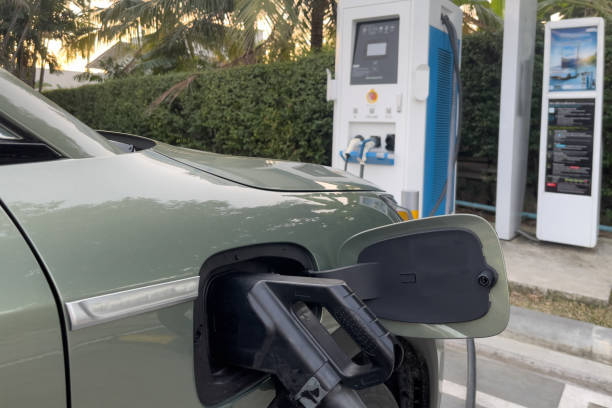
The shift toward electrification has encouraged many gas station operators to rethink their business models. Traditionally, these stations were designed exclusively to serve internal combustion engine vehicles. However, with EV adoption accelerating worldwide, fuel retailers are increasingly integrating EV charging services.
Installing EV chargers allows gas stations to remain relevant in the evolving automotive ecosystem. Instead of losing customers to dedicated charging stations, gas stations can maintain their role as convenient roadside stops by offering both fuel and electric charging.
This transformation benefits both EV drivers and station operators. Drivers gain access to reliable, high-speed charging in familiar locations, while station owners attract a new customer base and generate additional revenue streams.
Gas stations typically deploy two main types of EV charging systems: DC fast chargers and Level 2 EV chargers.
DC fast chargers are the primary charging solution at gas stations. These systems deliver high-power electricity directly to the vehicle battery, significantly reducing charging time. Power ratings usually range from 60 kW to 360 kW, although ultra-fast systems exceeding 400 kW are beginning to appear in some markets.
A typical DC fast charger can add hundreds of miles of driving range in less than an hour. For many EV drivers, this level of performance closely matches the convenience of refueling a gasoline vehicle.
Key advantages of DC fast chargers include:
- Rapid charging speeds
- Ideal for highway travel
- High vehicle compatibility
- Ability to support high traffic volumes
Because of these benefits, DC fast charging has become the backbone of gas station EV charging infrastructure.
Although DC fast chargers dominate, some gas stations also install Level 2 EV chargers. These systems operate at lower power levels, typically between 7 kW and 22 kW.
Level 2 charging is better suited for locations where drivers may stay longer, such as shopping centers or workplaces. At gas stations, these chargers can serve customers who plan to spend extended time at restaurants, convenience stores, or nearby retail establishments.
While Level 2 chargers take several hours to fully charge an EV, they provide a cost-effective supplementary charging option.
Integrating EV charging infrastructure into gas stations offers numerous advantages for both drivers and station operators.
Gas stations are strategically located along highways, urban corridors, and busy intersections. This makes them ideal locations for EV charging stations, as drivers can easily incorporate charging stops into their travel plans.
In addition, gas stations typically offer amenities such as:
- Restrooms
- Convenience stores
- Restaurants
- Seating areas
These services improve the overall charging experience and encourage drivers to spend time and money on-site.
EV charging provides gas station owners with additional income opportunities. Charging fees can generate direct revenue, especially when using high-power DC fast chargers that command premium pricing.
Furthermore, drivers who stop to charge are likely to purchase food, drinks, or other items from the station's convenience store, increasing overall sales.
As EV adoption grows, charging infrastructure may become an essential profit center for fuel retailers.
Gas station EV charging also plays a key role in supporting the global shift toward clean energy. By installing charging infrastructure, fuel retailers can contribute to reducing greenhouse gas emissions and promoting sustainable transportation.
Many governments provide financial incentives, grants, or tax credits to encourage the deployment of EV chargers at commercial locations, further accelerating adoption.
Despite the many advantages, installing EV chargers at gas stations presents several technical and operational challenges.
DC fast chargers require significant electrical power. A single 350 kW charger can demand as much electricity as dozens of homes combined. Installing multiple chargers may require major electrical upgrades, including:
- New transformers
- Grid connection upgrades
- High-capacity cabling
These infrastructure improvements can significantly increase installation costs.
Traditional gas stations were designed to accommodate fuel pumps, not charging equipment. Installing EV chargers may require reconfiguring parking layouts, adding dedicated charging spaces, or expanding station property.
Proper site design is essential to ensure smooth traffic flow and safe charging operations.
The cost of installing DC fast charging infrastructure can be substantial. Equipment costs, electrical upgrades, permitting, and construction expenses may total hundreds of thousands of dollars per site.
However, government incentives and partnerships with charging network providers can help offset these costs.
As EV technology evolves, ultra-fast charging systems are becoming increasingly important for gas stations. Chargers with power levels between 250 kW and 360 kW are capable of dramatically reducing charging times.
Some next-generation chargers can add approximately 200 miles of driving range in as little as 10–15 minutes, approaching the convenience of traditional refueling.
Ultra-fast charging stations are especially valuable along highways and long-distance travel routes, where drivers prioritize speed and efficiency.
Another emerging trend is the integration of renewable energy systems with gas station EV chargers. Solar panels, battery storage systems, and smart energy management technologies can help reduce electricity costs and improve sustainability.
For example, solar canopies installed above charging stations can generate clean electricity while providing shade for vehicles. Battery storage systems can store excess solar energy and supply power during peak demand periods.
These solutions allow gas stations to operate more efficiently while supporting environmental goals.
Providing a positive charging experience is essential for attracting EV drivers. Modern charging stations are designed to be user-friendly, convenient, and technologically advanced.
Many EV chargers feature:
- Mobile app integration
- Contactless payment systems
- Real-time charging status updates
- Navigation system compatibility
These features allow drivers to locate available chargers, initiate charging sessions, and monitor progress using their smartphones.
Comfortable waiting areas, food options, and retail services can further enhance the overall experience.
Many gas station operators collaborate with EV charging network providers to install and manage charging infrastructure. These partnerships allow fuel retailers to benefit from established technology platforms, payment systems, and customer networks.
Charging network companies often handle equipment installation, maintenance, and software management, while the gas station provides the physical location.
This collaborative approach reduces risk for station operators and accelerates the deployment of charging infrastructure.
The future of gas station EV charging is expected to involve several key trends.
As EV adoption continues to grow, more gas stations will install EV chargers to meet rising demand. Highways and urban areas will see increasing numbers of charging hubs capable of serving multiple vehicles simultaneously.
Charging speeds will continue to improve as battery technology advances. Next-generation chargers may exceed 500 kW, further reducing charging times.
EV charging stations will increasingly integrate with smart grid systems, allowing dynamic load management and improved energy efficiency.
Some gas stations may evolve into multi-energy service centers offering gasoline, EV charging, hydrogen fueling, and other alternative energy solutions.
Gas station EV charging represents a crucial step in the evolution of modern transportation infrastructure. By integrating high-power DC fast charging technology, traditional fuel stations can remain relevant in an increasingly electrified automotive market.
DC fast chargers capable of delivering 60 kW to 360 kW allow drivers to recharge their vehicles in 20–30 minutes, making EV charging compatible with typical gas station stops. While challenges such as electrical upgrades and installation costs remain, the benefits of increased customer traffic, new revenue opportunities, and support for sustainable mobility make EV charging an attractive investment.
As EV adoption continues to rise, gas stations are likely to become key nodes in the global charging network. Through continued technological advancements, partnerships with charging providers, and integration with renewable energy systems, these stations will play a vital role in shaping the future of clean transportation.
