
The global transition toward electric mobility is accelerating at an unprecedented pace. Governments are setting ambitious electrification targets, automakers are expanding EV lineups, and consumers are increasingly choosing electric vehicles for environmental and economic reasons. Yet behind this rapid growth lies a critical infrastructure challenge: installing safe, reliable, and future-ready EV charging stations.
At first glance, installing an EV charger may seem straightforward—mount the unit, connect power, and start charging. In reality, EV charging systems involve complex electrical engineering, regulatory compliance, site planning, load balancing, and environmental considerations. A single miscalculation can lead to system inefficiency, costly repairs, code violations, or even safety hazards such as electrical fires.
Industry data shows that many early installation failures stem not from equipment defects but from avoidable planning and execution errors. These mistakes are especially common among first-time installers, property owners attempting DIY setups, or contractors unfamiliar with EV infrastructure requirements.
This comprehensive industry news analysis examines the most common EV charging station installation mistakes, explains why they occur, and outlines practical strategies to avoid them. The goal is to help homeowners, facility managers, fleet operators, contractors, and infrastructure planners ensure their charging installations are safe, compliant, scalable, and cost-effective.
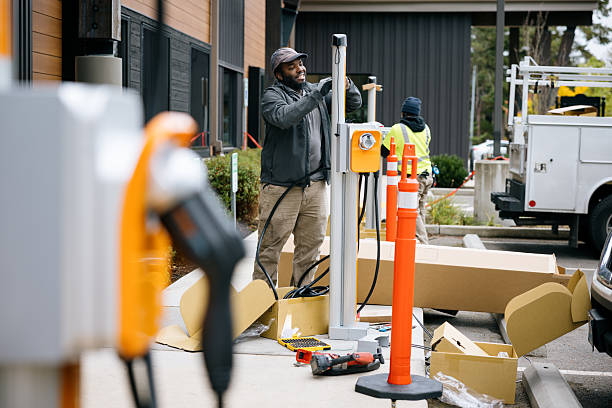
As EV charging technology evolves, installations are no longer simple electrical add-ons. Modern charging stations can involve:
- High-voltage power delivery
- Smart communication systems
- Load management software
- Network billing platforms
- Integration with renewable energy sources
- Grid-responsive power control
Because of these advanced capabilities, installation quality directly affects:
- Charger lifespan
- Charging speed
- System efficiency
- Energy costs
- Safety performance
- User experience
- Compliance with regulations
Poor installations can cause chronic malfunctions that are difficult to diagnose later. In commercial environments, this may result in lost revenue, customer complaints, and liability risks. In residential settings, improper installation can jeopardize household electrical safety.
In short, installation is not just a setup step—it is the foundation of charging system performance.
One of the most frequent errors is assuming the existing electrical system can support an EV charger. In reality, Level 2 chargers often require 240-volt circuits drawing 32–80 amps, while DC fast chargers may demand hundreds of amps and specialized transformers.
Without a load assessment, adding a charger can overload:
- Breaker panels
- Service lines
- Distribution wiring
- Transformers
Consequences may include overheating wires, breaker trips, voltage instability, or electrical fires.
Prevention Strategy:
Always conduct a professional electrical load calculation. This determines whether the current service panel can handle the charger or if upgrades are required. In many cases, installing a sub-panel or upgrading to a higher-capacity service is necessary.
Some property owners skip permitting processes to save time or money. This is a major mistake. Electrical permits and inspections exist to ensure safety and code compliance.
Installing without permits can lead to:
- Legal fines
- Insurance claim denial
- Mandatory removal of equipment
- Liability exposure
- Problems during property sale
Prevention Strategy:
Check local building and electrical authority requirements before beginning installation. Regulations vary widely between jurisdictions. Always obtain approval and schedule inspections.
Choosing a charger based solely on price or availability can lead to poor performance. Different environments require different charger specifications.
Common mismatches include:
- Installing slow residential chargers in high-traffic commercial areas
- Using non-networked chargers where usage tracking is required
- Choosing connectors incompatible with vehicles
- Selecting insufficient power output for fleet operations
Prevention Strategy:
Match charger type to usage scenario:
Application | Recommended Charger |
Home | Level 2 |
Workplace | Smart Level 2 |
Public parking | Networked Level 2 or DC fast |
Fleet depot | High-power DC |
Highway corridor | Ultra-fast DC |
Location matters as much as electrical design. Improper placement reduces usability and can cause operational issues.
Typical placement mistakes:
- Chargers too far from parking spots
- Units blocked by pillars or walls
- Insufficient cable reach
- Exposure to flooding or heavy snow accumulation
- Installed where vehicles cannot align properly
Prevention Strategy:
Conduct a site layout study before installation. Consider vehicle turning radius, cable length, ADA accessibility, and environmental protection.
Using undersized conductors or incorrect cable types is a serious safety risk. Wiring must match current load, voltage rating, and environmental conditions.
Incorrect wiring may lead to:
- Excessive heat buildup
- Voltage drop
- Reduced charging speed
- Insulation damage
- Fire hazards
Prevention Strategy:
Follow national electrical code standards for conductor sizing. Account for distance, temperature rating, and installation environment (indoor, underground, wet locations, etc.).
Grounding protects users from electric shock and stabilizes system voltage. Improper grounding is a common issue in faulty installations.
Risks include:
- Electrical shock
- Equipment malfunction
- Damage during lightning strikes
- Failure of surge protection systems
Prevention Strategy:
Ensure all metallic components, conduits, enclosures, and charger housings are properly bonded and connected to a grounding electrode system.
EV chargers are sensitive electronic devices. Voltage spikes caused by lightning, grid switching, or equipment faults can destroy internal components.
Prevention Strategy:
Install surge protection devices at the panel and charger circuit. For commercial sites, consider layered protection systems.
Many chargers rely on connectivity for monitoring, payment processing, firmware updates, and diagnostics. Installing a smart charger without adequate signal coverage can render these features useless.
Prevention Strategy:
Verify signal strength for Wi-Fi or cellular networks before installation. If coverage is weak, install signal boosters or use wired Ethernet connections.
Many installations are designed for current needs only. As EV adoption grows, demand increases, and retrofitting infrastructure becomes expensive.
Short-sighted planning can require:
- Re-trenching conduit
- Replacing panels
- Upgrading transformers
- Reconfiguring parking areas
Prevention Strategy:
Install spare conduit, oversized panels, or scalable charging systems. Planning for expansion now significantly reduces future costs.
Outdoor chargers must withstand temperature extremes, moisture, dust, and UV exposure. Installing equipment not rated for these conditions can shorten lifespan or cause failures.
Prevention Strategy:
Choose chargers with appropriate ingress protection ratings and temperature tolerances. Install protective canopies or enclosures where needed.
A systematic installation approach minimizes errors. Industry experts recommend the following workflow:
Evaluate electrical capacity, parking layout, environmental conditions, and accessibility.
Prepare load calculations, wiring diagrams, and equipment specifications.
Submit plans for approval and schedule inspections.
Install conduit, trenching, panel upgrades, and mounting hardware.
Mount units securely and connect wiring per manufacturer instructions.
Configure network settings, load management software, and user access controls.
Verify voltage, current, grounding, and safety protections.
Activate the charger and conduct real-world charging tests.
A homeowner installed a charger without calculating total household load. When the charger operated simultaneously with HVAC equipment, breakers tripped repeatedly. Eventually, wiring insulation showed signs of heat damage.
Resolution: Service panel upgrade and dedicated circuit installation.
A retail center installed chargers before finalizing parking layout. Vehicles could not align properly, causing cable strain and customer complaints.
Resolution: Chargers were relocated and bollards installed for protection.
A logistics company deployed multiple chargers without load management. Simultaneous charging caused transformer overloads, forcing the system offline.
Resolution: Smart load balancing system installed to distribute power.
Improper installation can dramatically increase total project cost. Hidden expenses may include:
- Rewiring
- Panel replacement
- Permit penalties
- Equipment damage
- Labor rework
- Downtime losses
Studies in infrastructure projects show that correcting installation mistakes after completion can cost 2–5 times more than doing it correctly the first time.
Proper planning is therefore not an expense—it is a cost-saving investment.
Electrical systems carrying high current present inherent risks. Installation mistakes can cause:
- Electrical shock
- Arc flash incidents
- Fire hazards
- Equipment explosion
- Vehicle damage
Safety should always be the top priority. Installers must follow electrical codes, manufacturer guidelines, and industry standards.
Selecting a competent contractor is critical. Look for professionals who:
- Hold valid electrical licenses
- Have EV charger installation experience
- Understand local codes
- Provide references
- Offer written documentation
- Conduct load calculations
- Provide warranty support
Avoid contractors who:
- Skip permits
- Offer unusually low prices
- Cannot explain installation steps
- Lack EV-specific experience
Modern chargers include advanced features that affect installation planning.
Balance power distribution between multiple chargers.
Adjust charging based on grid conditions.
Track usage for billing or analytics.
Enable technicians to troubleshoot issues remotely.
Installers must ensure infrastructure supports these features, including network connectivity and compatible electrical architecture.
The EV market is expanding rapidly. Installations today should anticipate tomorrow's requirements.
Future-ready design should consider:
- Higher power chargers
- Increased vehicle numbers
- Bidirectional charging
- Renewable integration
- Battery storage
- Smart grid communication
Forward-thinking installations reduce long-term upgrade costs and prevent infrastructure obsolescence.
Before installation:
- Conduct electrical load analysis
- Verify panel capacity
- Confirm permit requirements
- Choose appropriate charger
- Plan cable routing
- Assess environmental conditions
During installation:
- Use correct conductor size
- Follow wiring diagrams
- Ensure grounding and bonding
- Protect cables
- Install surge protection
After installation:
- Test electrical performance
- Verify connectivity
- Inspect safety systems
- Conduct real charging test
- Document installation
As EV adoption accelerates globally, installation quality will become a defining factor in infrastructure reliability. Governments and utilities are increasingly implementing stricter standards and certification requirements for installers. Training programs and professional accreditation are expected to expand to meet growing demand.
The next phase of EV infrastructure development will emphasize:
- Standardization
- Interoperability
- Safety certification
- Smart grid integration
- Cybersecurity
Installers who understand these trends will be better positioned to deliver long-lasting, compliant systems.
EV charging station installation is a technically demanding process that combines electrical engineering, construction planning, regulatory compliance, and digital integration. While mistakes are common, they are almost always preventable through proper planning, professional execution, and adherence to industry standards.
Avoiding installation errors ensures:
- Safe operation
- Optimal performance
- Long equipment life
- Regulatory compliance
- Lower lifetime costs
- Positive user experience
As electric mobility continues to reshape transportation, the importance of correct charger installation cannot be overstated. Whether for a home garage, commercial facility, fleet depot, or public charging network, success begins with doing the installation right the first time.