
The rise of electric vehicles (EVs) has prompted a shift not just in how we drive but in how and where we power our cars. With global EV sales skyrocketing, policymakers, utilities, and drivers alike are wrestling with one of the most fundamental questions in the transition to electrified transport: Should EV owners plug in at home or rely on public charging infrastructure?
This article examines the evolving dynamics of public versus home electric vehicle charging — from economic costs and grid impacts to convenience, equity, and the future of mobility.
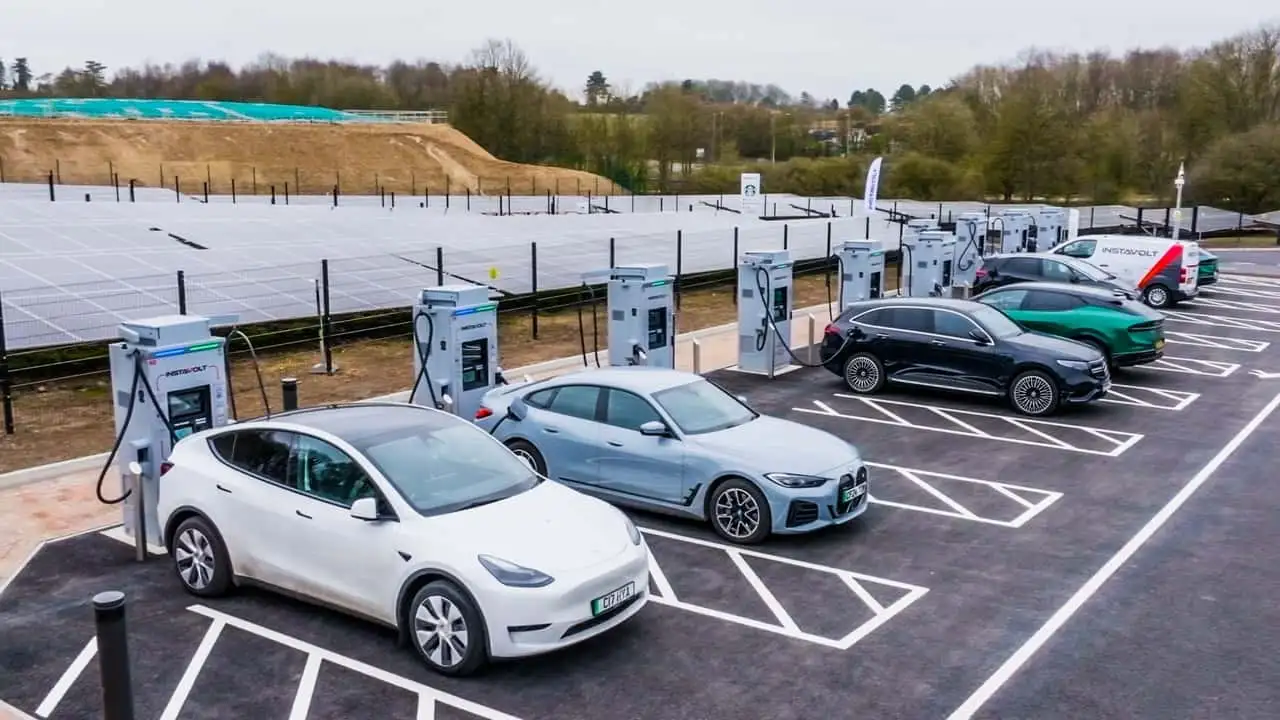
Electric vehicle adoption has continued its rapid climb. In markets like the United States, Europe, and China, EVs now account for an ever-growing share of new vehicle sales, driven by climate policies, falling battery costs, and broader consumer acceptance.
Yet as EV adoption accelerates, charging infrastructure has struggled to keep pace. While home charging remains the dominant method for many EV drivers, public charging networks are expanding rapidly, partly in response to growing demand for long-distance travel support and urban dwellers without access to private parking.
The result is a complex ecosystem in which drivers must choose — often implicitly — between home charging, public charging, and a mix of both. Understanding the strengths and limitations of each model is vital for consumers, industry stakeholders, and policymakers.
For the vast majority of EV owners with access to private garages or driveways, home charging is the most convenient and cost-effective way to power an electric vehicle.
Home charging typically involves installing a Level 2 charging station — a 240-volt unit that can fully charge most EVs overnight. These chargers are permanently mounted and connected to the home electrical system, allowing drivers to “refill” their vehicle's battery while they sleep.
One of the biggest benefits of home charging is cost:
- Electricity rates for residential customers are generally lower than the per-kWh pricing at many public fast chargers.
- Overnight charging allows EV owners to take advantage of time-of-use rates, which offer discounted electricity during off-peak hours.
- Avoidance of public charging fees — including demand charges and convenience pricing — can result in significant savings over time.
Industry analysts estimate that home charging can cost as little as a fraction of a dollar per mile driven, compared to higher rates at some public DC fast chargers, which can be several times more expensive per kilowatt-hour.
The convenience of home charging is unparalleled for many EV owners. Plugging in the car at night — much like plugging in a smartphone — eliminates trips to public charging stations and ensures that drivers start each day with a full battery.
For commuters and daily drivers, this model is ideal: the car is fully charged and ready by morning, without the need to map out charging stops.
However, home charging isn't without challenges. Installing a Level 2 charger typically involves:
- Hiring a licensed electrician
- Upgrading the home electrical panel if necessary
- Purchasing the charging unit, which can cost anywhere from $300 to $1,500 or more, depending on features
In some regions, rebates and incentives help subsidize installation costs. Still, the upfront investment can be a barrier for some EV owners.
Notably, home charging is only feasible for those with dedicated parking and electrical access — a reality that limits its practicality for:
- Apartment dwellers
- Residents of multifamily housing without dedicated EV charging infrastructure
- Renters who lack permission to install charging equipment
These equity considerations have pushed cities and utilities to accelerate public charging deployment to ensure that all EV drivers can reliably charge their vehicles.
Public EV charging comes in several forms, from destination chargers at shopping centers to high-power direct current (DC) fast chargers along highways. These stations allow drivers to charge away from home and are essential for long-distance travel.
Public charging infrastructure generally falls into three categories:
Level 2 Charging Stations
Provide moderate charging speeds (typically 10-30 miles of range per hour)
Common at workplaces, malls, restaurants, and urban centers
DC Fast Charging (DCFC)
Deliver high power (often 50 kW to 350+ kW)
Can add significant range (100+ miles) in as little as 15-30 minutes
Ultra-Fast Charging
Newer stations capable of 350 kW+
Targeted at reducing charging time further for long-haul travel
Unlike home charging, public charging pricing reflects the cost of infrastructure, land, operations, and often grid demand:
- Per-kWh fees can vary widely by location and provider
- Some networks charge per-minute rates, especially for DC fast charging
- Idle fees may apply if a vehicle stays parked after charging completes
While costs are coming down in many areas, public charging remains more expensive per unit of electricity than home charging for many drivers.
For long-distance travel, public charging is indispensable. Highway DC fast charging stations — often clustered every 50-100 miles — make cross-country EV travel feasible, bridging range gaps and reducing “range anxiety.”
Urban residents without access to home charging also heavily rely on public stations for daily use. In dense cities, curbside EV charging programs and shared charging hubs are becoming more common, helping to democratize access.
Public charging infrastructure faces several hurdles:
Grid capacity constraints in some regions limit how much power can be delivered to charging stations, especially high-power DCFC.
Land and permitting delays slow station rollout.
Network interoperability varies, with multiple providers and payment systems complicating the user experience.
Maintenance and uptime issues persist, particularly for fast charging stations with complex cooling and electronics systems.
These challenges highlight the need for coordinated planning among utilities, governments, and private operators.
To better understand the trade-offs between home and public EV charging, it helps to compare them across key dimensions.
Charging Type | Typical Cost per kWh | Notes |
Home Charging | Low ($0.08 – $0.15)¹ | Variable by region, often lowest overnight |
Public Level 2 | Medium ($0.15 – $0.30) | Often free at workplaces or retail |
Public DCFC | High ($0.25 – $0.60+) | Quick charging premium applies |
Estimates: actual costs vary by utility, region, and time of day.
Home charging almost always wins on pure cost per mile for daily use. Public DC fast charging commands a premium for the convenience of speed and location.
- Home (Level 2): Best for overnight charging; not suitable for quick top-ups during the day unless destination charging is available.
- Public Level 2: Good for workplace or errand charging; moderate speed.
- Public DCFC: Best for long trips and quick charging; speed varies by vehicle and station capability.
Speed matters for drivers who need to minimize downtime during long trips — a category where public DC fast charging is unmatched.
- Home Charging: Accessible primarily to those with private parking and ownership control.
- Public Charging: Critical for urban drivers, renters, and those without home charging access.
Public charging plays a vital role in leveling the playing field, ensuring that electrification benefits extend to all socioeconomic groups.
Charging behavior affects electricity demand patterns:
- Home Charging: Can be managed with time-of-use rates and smart charging to shift load to off-peak hours.
- Public Charging: Particularly fast charging, can put significant stress on local grids if not paired with storage or load management.
Utilities are increasingly partnering with charging providers to deploy energy storage and demand management systems to mitigate peak loads.
Public and home charging ecosystems are supported by different business models and policy frameworks.
In many regions, governments and utilities offer incentives such as:
- Rebates for Level 2 charger purchases
- Tax credits for installation costs
- Time-of-use pricing to encourage off-peak charging
These programs help reduce upfront barriers for homeowners and improve the economics of home charging.
Public charging infrastructure deployment is increasingly backed by legislation and public funds:
The U.S. Infrastructure Investment and Jobs Act (2021) allocated funding for a national EV charging network.
The European Union's Alternative Fuels Infrastructure Regulation (AFIR) mandates minimum charging station density along major highways.
Many countries offer grants or low-interest loans to support charging network build-out.
These policy frameworks aim to ensure equitable and widespread access to public charging, fueling EV adoption.
The private sector — including automakers, energy companies, and startups — has poured billions into charging infrastructure:
Automakers often collaborate with charging networks to provide integrated services (e.g., Tesla's Supercharger network, partnerships with other EV brands).
Energy companies leverage their grid expertise to deploy and operate charging stations.
Startups innovate in payment, reservation systems, and ultra-fast charging technologies.
These investments accelerate station build-out and improve user experience, but competition and fragmentation remain.
Understanding how EV drivers view charging options offers insight into future trends.
Drivers who favor home charging often cite:
- Cost savings
- Convenience of overnight charging
- Predictability and control over charging experience
For daily commuting and routine use, home charging meets most drivers' needs.
Others emphasize the importance of robust public networks:
- Reliable access when traveling long distances
- Charging availability for urban residents without home options
- Growing network density reducing range anxiety
For these drivers, public charging is viewed not as a substitute but as a complement to home charging.
Many EV owners adopt a hybrid charging strategy:
Charging at home for daily use
Relying on public charging for long trips and occasional top-ups
This blended approach reflects the reality that no single charging model meets all needs.
The debate between home and public charging intersects with broader issues of equity and urban planning.
Cities face unique hurdles:
- Limited curbside EV charging options
- High demand for public parking and charging
- Grid constraints in dense neighborhoods
Municipalities are experimenting with innovative solutions such as:
- Curbside chargers integrated into streetlights
- Shared charging hubs in parking garages
- Wireless and robotic charging prototypes
These initiatives aim to ensure that urban EV drivers are not left behind.
Rural communities have different priorities, including:
- Ensuring highway corridors have dependable fast charging
- Addressing longer travel distances between stations
- Reducing range anxiety for rural residents
Policymakers are targeting deployment funds to underserved rural areas to fill these gaps.
The growth of EV charging intersects with the broader energy transition.
Smart charging technologies enable the grid to manage EV load:
Charging can be shifted to periods of low demand or high renewable generation.
Bidirectional charging (V2G) allows EVs to supply energy back to the grid in peak periods.
These technologies expand the role of EVs from consumers to grid assets, improving resilience and renewable utilization.
For many EV owners, the environmental benefits of electrification depend on charging with clean energy. Solar rooftops, wind generation, and community renewable programs can reduce the carbon footprint of both home and public charging.
Utilities are offering programs to match EV charging with clean energy — an increasingly important consideration for sustainability.
As the EV market matures, several trends are emerging that will shape the future of both home and public charging.
High-power charging stations capable of 350 kW and above are becoming more common, reducing long-distance charging times and enhancing the appeal of EV travel.
Efforts to create seamless payment systems across networks aim to simplify public charging, similar to how mobile phone roaming works.
Longer-range EVs reduce reliance on frequent public charging, making home charging even more dominant for many drivers — while still highlighting the need for reliable public options for travel.
For apartment dwellers and renters, new business models include:
- Shared charging stations with reservation systems
- Charging as a service bundled with parking
- Workplace charging expansions
These models aim to broaden access for those without private home charging.
Governments will continue refining incentives and mandates to ensure charging infrastructure keeps pace with EV adoption, focusing on equity, reliability, and scalability.
The future of EV charging lies not in an either-or choice between home and public charging, but in a complementary ecosystem where both play vital roles.
Home charging will remain the backbone of daily EV use for those with access to private parking, delivering convenience and lower costs.
Public charging will expand to support travel, urban drivers, and equity goals, ensuring that EV ownership is accessible to a broader population.
The continued evolution of policy, technology, and business models will shape how quickly and effectively this ecosystem matures. For consumers, understanding the benefits and limitations of each charging approach will be key to making informed decisions about their next vehicle and charging strategy.
