
Commercial AC charging stations — often referred to as Level 2 EV charging infrastructure — are rapidly becoming a cornerstone of electric vehicle (EV) adoption worldwide. As EV sales surge and electrification policies tighten, businesses of all types — from retail centers and office buildings to fleet operators and public infrastructure providers — are investing in AC charging solutions. These installations are not only about providing power; they are reshaping commercial real estate value, enhancing customer experience, and enabling sustainable business models.
In this comprehensive report, we take an in-depth look at trends driving commercial AC charging station deployment, underlying technology, cost structures, policy incentives, business strategies, and the future outlook for AC charging in the commercial sector.
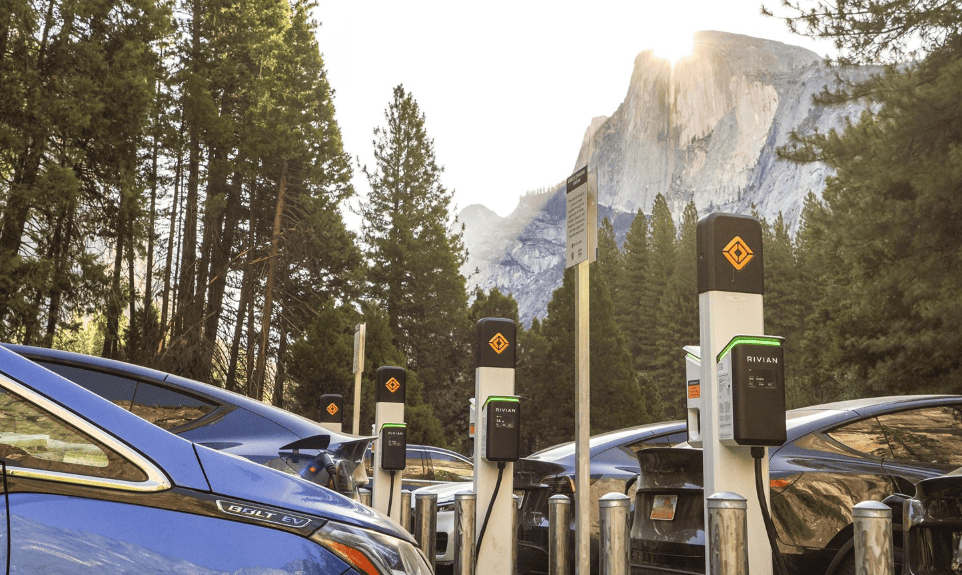
Electric vehicles require electricity not gasoline. They charge through infrastructure known as Electric Vehicle Supply Equipment (EVSE). Commercial AC charging stations are typically Level 2 chargers, delivering alternating current (AC) at 208–240V and providing power from roughly 3.3 kW to 19.2 kW. These units strike a balance between installation cost and usable charging speed — ideal for locations where vehicles park for longer durations such as workplaces, malls, hotels, and public parking structures.
Unlike high-power DC fast chargers, which often require expensive grid upgrades and generate rapid charging bursts, AC charging stations provide convenient, reliable charging over multiple hours, giving EV owners enough range for daily driving, commuting, or overnight top-ups.
Statistics show that an increasing share of consumers expect EV charging availability when visiting commercial destinations. As more drivers switch to electric vehicles, traditional businesses risk losing foot traffic if they don’t offer EV charging as a convenience. A recent survey indicates that a majority of EV drivers prefer businesses with charging points, which not only attract more visitors but also increase dwell time and sales opportunities for retailers.
Installing charging stations can raise the competitive advantage of commercial properties. Office buildings that provide workplace charging become more attractive to tenants, especially in urban areas where employees may commute with EVs. Multi-unit residential buildings that offer charging can command higher rents and lower vacancy rates as EV adoption rises.
Many companies have adopted Environmental, Social, and Governance (ESG) targets that include decarbonization and clean transportation. Installing AC charging stations helps meet sustainability pledges, achieve green building certifications, and demonstrate environmental leadership to stakeholders.
Commercial charging stations can also be profit-centers. Businesses can charge users per kilowatt-hour (kWh) or by session/time, creating incremental income that subsidizes hardware and operating costs — although pricing strategies vary widely depending on local electricity costs, customer preferences, and competitive dynamics.
Commercial AC charging stations provide alternating current directly to the vehicle's onboard charger, which converts AC to direct current (DC) to store in the battery. This contrasts with DC fast chargers that bypass the onboard charger and deliver DC at high power levels. AC charging typically covers lower power levels suited for extended parking rather than rapid top-ups.
Most commercial AC chargers use standard connectors. In North America, the J1772 standard is the norm for Level 2 AC charging. These connectors are compatible with virtually all current EVs except some models that use proprietary interfaces — necessitating adapters or broader standards like NACS as charging ecosystems evolve.
Modern commercial AC stations often integrate smart features like:
- Network connectivity for remote management and usage tracking.
- Payment systems enabling pay-per-use operations.
- Load management to balance charging demand and reduce peak load costs.
- Integration with solar or energy storage systems for sustainability optimization.
These capabilities enhance station value, reduce operational complexity, and unlock data analytics for utilization insights.
Understanding cost is crucial for businesses considering EV charging deployment.
Commercial AC charging installation costs vary significantly based on site conditions and power requirements. For Level 2 stations, typical installed costs range from $3,000 to $12,000+ per charger, including hardware, installation labor, electrical work, and permits.
Factors affecting capital costs include:
- Electrical infrastructure upgrades (panels, transformers)
- Site preparation (trenching, concrete work)
- Network and payment integration
- Permits and compliance work
Ongoing operational costs include electricity consumption, maintenance, network fees, and periodic software updates. The electricity cost per kWh may range from $0.10 to $0.30 or more depending on commercial rates — and demand charges can add further expense if peak loads are high.
Annual maintenance typically includes:
- Equipment inspection
- Cable and connector check/replacement
- Software support fees
ROI varies widely. Some businesses view charging stations as amenities to attract customers; others aim for direct revenue. Expected recovery periods often span 3 to 7 years, influenced by utilization rates, pricing models, and incentive programs.
Government incentives have played a pivotal role in accelerating EV charging infrastructure — including commercial AC stations.
In the United States, commercial charging installation projects have historically qualified for the Alternative Fuel Infrastructure Tax Credit, allowing businesses to claim a tax credit of up to 30% of the depreciable cost of charging equipment and installation when certain labor standards are met.
However, recent policy shifts — such as the early expiration of the federal EV charger tax credit set for mid-2026 — could affect incentives for new installations and require businesses to act quickly to maximize benefits.
Many states and utilities offer rebates, grants, or additional tax credits for commercial charging — especially in areas with aggressive clean energy targets. Programs like California's CALeVIP (California EV Infrastructure Project) or New York's Charge Ready NY have historically provided substantial per-port incentives.
Businesses can finance installations through:
- Direct capital investment
- Loans or lease arrangements
- Public-private partnerships
- Utility programs
- Sustainability bond financing
These models help spread upfront costs and align charging deployments with broader energy strategies and capital allocation.
Deploying commercial AC charging effectively requires thoughtful planning.
Before installation, a professional site survey evaluates:
- Electrical capacity
- Grid access
- Traffic patterns
- Parking allocation
- ADA and zoning compliance
A detailed site plan helps optimize charger location, minimize installation surprises, and reduce costs.
To control costs and ensure reliable operation, businesses implement load management strategies that prioritize charging sessions and balance grid demand — especially in high-traffic locations with multiple chargers.
Designs should also accommodate future expansion as EV adoption grows — enabling scalable upgrades to power and capacity.
For public and commercial use, clear signage, easy payment options, and customer support enhance user satisfaction and usage rates. Well-lit, secure locations with visible branding help reinforce trust and drive adoption.
Global AC charging infrastructure is experiencing rapid expansion. Some market forecasts estimate the AC charging stack market growing significantly over the next decade — driven by EV adoption, government policies, and private investment.
Recent innovations in AC charging technology include higher-power Level 2 chargers that deliver up to 19.2 kW — nearly double traditional outputs — and support bidirectional charging. Bidirectional EV charging allows vehicles to not only receive grid power but also feed energy back into buildings or the grid — potentially transforming chargers into distributed energy resources.
These innovations promise smarter, more flexible charging that integrates with energy management systems, renewable generation, and storage.
Commercial charging stations increasingly tie into solar arrays, battery storage, and microgrid systems to:
- Reduce energy costs
- Enhance grid resilience
- Improve sustainability metrics
- Offset peak demand charges
This trend aligns with broader decarbonization and energy transition goals.
As EV charging ecosystems evolve, standards like J1772, CCS1, and other connector protocols promote interoperability — ensuring vehicles from different manufacturers can use commercial charging stations with ease.
Despite strong growth, several challenges remain:
Connecting chargers — especially clustered in urban areas — can strain existing electrical infrastructure, requiring costly upgrades or coordination with utilities.
Policy uncertainty — including changing incentives, tax credits, and infrastructure funding programs — can complicate investment decisions and long-term planning.
High upfront capital costs and ongoing operational expenses — especially in markets with expensive electricity — may discourage some businesses without compelling ROI projections.
Some commercial charging stations — particularly in areas with low EV density — may face underutilization, affecting revenue and perceived value.
Across sectors, businesses have implemented AC charging stations with notable impacts:
Shopping malls and big-box retailers report longer customer dwell times when EV charging is available — leading to increased in-store spending.
Workplace charging programs help attract talent and support employee sustainability goals, often subsidized partially through employer commitments.
Companies with electric light-duty fleets deploy Level 2 chargers across depots and hubs to ensure vehicles are ready for daily routes — integrating charging schedules with fleet management software.
In each case, commercial AC charging enhances operational flexibility, customer satisfaction, and competitiveness.
The trajectory for commercial AC charging stations is unmistakably upward. Continued EV adoption — bolstered by supportive policy, corporate sustainability targets, and broader electrification — will sustain demand for reliable AC charging infrastructure.
Future deployments will increasingly align with smart grid technologies, leveraging real-time demand response, pricing signals, and IoT connectivity.
The rise of bidirectional charging and vehicle-to-grid (V2G) capabilities could turn commercial charging stations into energy assets rather than mere refilling points.
As EV adoption spreads into suburban and rural areas, commercial AC charging will be essential for expanding accessibility — creating networks that serve diverse communities and travel patterns.
Commercial AC charging stations are more than infrastructure — they are strategic investments that deliver operational, environmental, and financial value. From expanding customer engagement to advancing sustainability goals, businesses integrating AC charging are positioning themselves at the forefront of the electric future.
As technology advances, policy incentives evolve, and market dynamics shift, the role of commercial AC charging stations will only grow in importance. For forward-thinking businesses, now is the time to invest, innovate, and lead in the electrified mobility era.