
As electric vehicles (EVs) become increasingly common across residential neighborhoods, commercial fleets, and public transportation networks, the infrastructure supporting them is expanding just as rapidly. Charging stations are no longer rare installations found only in specialized locations—they are now embedded in homes, workplaces, parking garages, shopping centers, and highways. With this growth comes an important but often overlooked consideration: security. EV charger security matters because these devices are not merely power outlets; they are connected technologies handling electricity, financial transactions, user credentials, and communication with networks. If left unprotected, they can expose equipment, energy resources, and sensitive data to a wide range of risks.
Understanding why charger protection is essential requires recognizing the evolving threat landscape. As EV adoption accelerates, criminals, hackers, and opportunistic users increasingly see charging infrastructure as a target. Just as drivers lock their vehicles and secure their homes, safeguarding charging equipment has become a necessary part of responsible EV ownership and infrastructure management. This comprehensive guide explores vulnerabilities, risks, and practical protection strategies to help individuals and organizations secure their charging systems effectively.
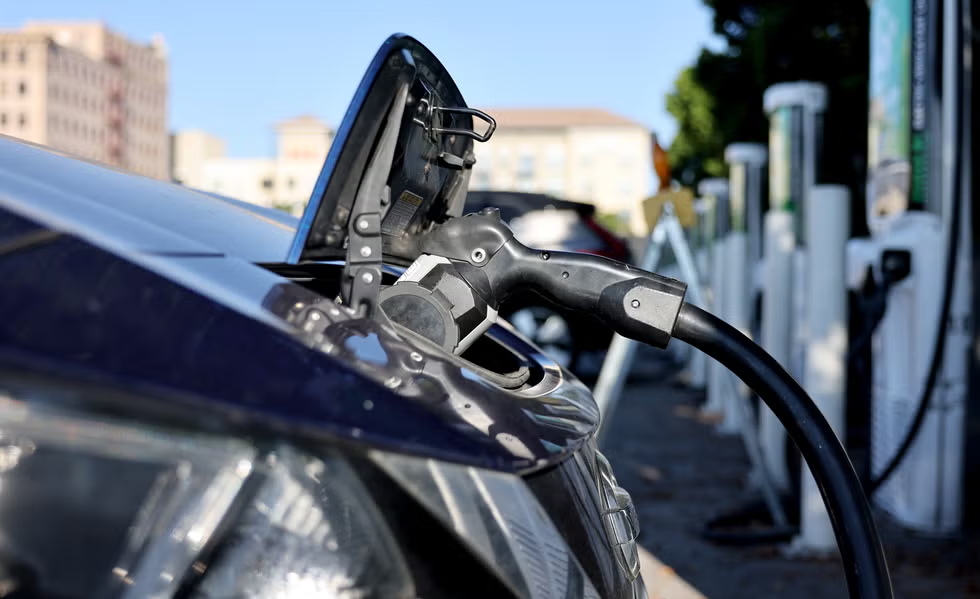
Charging stations represent a convergence of physical hardware and digital systems. Unlike traditional fuel pumps, which mainly dispense fuel, EV chargers often include wireless connectivity, authentication platforms, billing integration, and remote monitoring. This combination of features makes them highly efficient but also introduces multiple attack surfaces.
Security matters for three primary reasons:
- Asset Protection – Charging stations can be expensive, especially high-power units or networked commercial systems. Damage, theft, or tampering can result in costly repairs and downtime.
- Energy Security – Unauthorized usage can increase electricity bills or overload circuits, particularly in shared or public installations.
- Data Security – Many chargers store user credentials, payment information, and usage records, making them attractive targets for cybercriminals.
In other words, an unsecured charger can become a gateway not only to financial loss but also to privacy breaches and operational disruption.
Every charging station has potential weak points that attackers may exploit. Identifying these vulnerabilities is the first step toward building a strong defense. These weaknesses generally fall into three main categories: physical risks, network security threats, and software vulnerabilities.
The most visible threats are physical in nature. Charging stations installed outdoors or in accessible areas can be targeted for theft, vandalism, or unauthorized use.
Charging cables contain copper and other valuable metals that can be resold or scrapped. In regions where copper prices are high, criminals may cut cables from public chargers or even from residential units. Replacement costs can be significant, especially for high-amperage cables used in fast-charging equipment.
Public charging stations sometimes suffer from intentional damage, including broken connectors, graffiti, smashed displays, or cut wires. Even minor vandalism can render a charger unusable and disrupt service for multiple users. For businesses that rely on charging infrastructure, downtime can translate directly into lost revenue or customer dissatisfaction.
At home or in shared residential settings, an exposed charger may be used by neighbors or passersby without permission. While this might seem harmless, repeated unauthorized charging can noticeably increase electricity costs and may also place strain on electrical systems not designed for continuous external access.
Although most chargers are designed for outdoor use, extreme weather, dust, or moisture can degrade components over time. Improper installation or lack of protective housing can accelerate wear and make devices easier to tamper with.
Modern smart chargers often connect to Wi-Fi, Ethernet, or cellular networks for remote monitoring, billing, firmware updates, and integration with energy management systems. While connectivity enables advanced functionality, it also introduces cyber risks.
If a charger is connected to a home or corporate network without proper safeguards, it can act as an entry point for hackers. Weak passwords, outdated encryption protocols, or unsecured Wi-Fi connections may allow attackers to gain access to the device and potentially to other systems on the same network.
Chargers that transmit user credentials or payment information without secure encryption can expose sensitive data. Attackers intercepting this information may gain access to accounts, billing details, or usage records.
In some cases, poorly secured chargers can be controlled remotely. This could allow malicious actors to start or stop charging sessions, alter power settings, or disrupt operations. In commercial environments, such manipulation could affect multiple users simultaneously.
Network-connected devices can serve as pathways for malware. If a charger is compromised, malicious software could potentially spread to other connected devices, especially in poorly segmented networks.
Software is the invisible engine that powers smart charging systems. Like any digital platform, it must be maintained and updated to remain secure.
Manufacturers periodically release firmware updates to fix bugs and patch security flaws. Chargers that do not receive updates—or that are not configured to install them—may retain known vulnerabilities that attackers can exploit.
Some devices ship with default passwords or weak authentication mechanisms. If users fail to change these settings, unauthorized individuals may gain control of the charger.
If a charger allows firmware installation without verification, attackers could load malicious code onto the device. This could compromise its functionality or allow long-term unauthorized access.
Chargers integrated with mobile apps or cloud platforms may inherit vulnerabilities from those systems. Weaknesses in companion apps or third-party integrations can indirectly affect charger security.
Security risks are not theoretical—they can have tangible consequences for individuals, businesses, and infrastructure operators.
Unauthorized charging, equipment theft, or cyberattacks can lead to direct financial losses. For commercial operators, downtime may also result in lost customers and reputational damage.
If a charger is tampered with or remotely disabled, it may become unavailable when needed. For fleet operators or logistics companies, this can delay operations and disrupt schedules.
Chargers that store personal data may expose user identities, locations, or charging habits if compromised. Such information could be used for identity theft or targeted scams.
Tampering with electrical equipment can create dangerous conditions, including overheating, short circuits, or fire risks. Ensuring security is therefore not only a financial concern but also a matter of safety.
Protecting a charger physically is the first line of defense. Several practical measures can significantly reduce the likelihood of theft or damage.
Install chargers on solid surfaces using tamper-resistant bolts or mounting systems. Wall-mounted units should be positioned at a height that is convenient for users but not easily accessible for tampering.
Lockable cable holsters or retractable cable systems help prevent theft and reduce wear. Some chargers include integrated locking mechanisms that secure the connector when not in use.
Weatherproof and lockable enclosures shield chargers from environmental exposure and unauthorized access. These are especially useful for outdoor or public installations.
Well-lit areas deter vandalism. Security cameras or motion-activated lights can further discourage tampering and provide evidence if incidents occur.
In shared environments, access cards, RFID authentication, or app-based authorization can ensure that only approved users can activate the charger.
Since many chargers operate as connected devices, digital security measures are equally important.
Replace default credentials with complex passwords. Avoid using easily guessed information such as names or dates.
Ensure that communication between the charger, apps, and servers uses secure encryption protocols. This protects data from interception.
Connecting chargers to a separate network or guest network limits potential damage if the device is compromised. Network segmentation prevents intrusions from spreading to other systems.
If certain remote access or connectivity features are not needed, disabling them reduces potential attack points.
Many smart chargers record usage and access logs. Regularly reviewing these logs can help detect suspicious activity early.
Maintaining software integrity is essential for long-term protection.
Firmware updates often include security patches. Enabling automatic updates ensures the charger always runs the latest secure version.
Only download firmware from official manufacturer channels. Installing software from unknown sources increases the risk of malware.
Use multi-factor authentication where available. This adds an extra layer of protection beyond passwords.
If the charger is managed through a mobile app, check what permissions the app requires. Limiting unnecessary permissions reduces exposure.
Many modern chargers include built-in features designed to improve security. When choosing equipment, look for options such as:
- User Authentication Systems – RFID cards, PIN codes, or mobile app authorization.
- Remote Monitoring – Alerts for unusual activity or attempted access.
- Tamper Detection – Sensors that notify owners if the device is opened or disturbed.
- Encrypted Communication – Secure protocols for data transmission.
- Automatic Locking Connectors – Prevent cable removal during charging.
Selecting a charger with these capabilities can significantly reduce risk without requiring additional hardware.
Security is not only a technical issue but also a legal one. Regulations governing electrical equipment, data protection, and consumer safety may apply to charging installations.
Many regions require chargers to meet electrical safety and cybersecurity standards. Compliance ensures devices have undergone testing for reliability and protection.
Businesses operating public chargers may be liable if inadequate security leads to user harm or data breaches. Implementing proper safeguards can help reduce legal exposure.
Some insurance providers require security measures such as surveillance or protective enclosures for coverage. Reviewing policy conditions can help ensure compliance.
The level of protection needed often depends on where the charger is installed.
Homeowners should prioritize physical security, strong Wi-Fi protection, and regular software updates. Since residential chargers are typically connected to personal networks, digital safeguards are particularly important.
Businesses must consider user authentication, payment security, and monitoring systems. High traffic increases exposure to vandalism or unauthorized access.
Operators need robust cybersecurity frameworks, centralized monitoring, and maintenance protocols. Because public chargers serve many users, they present attractive targets for both physical and digital attacks.
While users play a key role in securing chargers, manufacturers and service providers also share responsibility. Reputable companies design products with security in mind, offering encrypted communication, secure firmware architecture, and regular updates. They also provide documentation and support to help customers implement protective measures.
Choosing equipment from established providers with a strong track record of updates and customer support can significantly improve long-term security.
As EV adoption continues to grow, charger security technologies are evolving. Emerging trends include:
- AI-Driven Monitoring – Systems that analyze usage patterns to detect anomalies.
- Blockchain Authentication – Secure transaction verification for charging payments.
- Advanced Encryption Standards – Stronger protocols to protect data transmission.
- Integrated Grid Security – Coordination between chargers and utility providers to prevent grid-level attacks.
These innovations aim to make charging infrastructure more resilient against both physical and digital threats.
Effective charger protection requires a layered approach. Relying on a single safeguard is rarely sufficient. Instead, combining physical security, network protection, software maintenance, and user awareness creates a robust defense system.
A comprehensive strategy should include:
- Secure installation and mounting.
- Controlled user access.
- Encrypted communication.
- Regular updates.
- Monitoring and alerts.
- Compliance with standards.
When these elements work together, the likelihood of successful attacks drops dramatically.
Electric vehicle charging stations are essential components of modern transportation infrastructure, but they also represent valuable assets that must be protected. As adoption increases, so does the incentive for criminals and hackers to exploit vulnerabilities. Physical threats such as cable theft and vandalism, digital risks involving network access and data interception, and software weaknesses from outdated firmware all highlight the importance of proactive security measures.
Protecting a charger is ultimately about safeguarding more than just hardware—it means securing energy resources, personal information, and operational reliability. By understanding potential vulnerabilities and implementing practical defenses, users and operators can ensure their charging systems remain safe, efficient, and dependable.
In the rapidly electrifying world of mobility, charger security is no longer optional. It is a fundamental part of responsible ownership and infrastructure management, ensuring that the transition to electric transportation remains not only sustainable and convenient but also secure.
