
The rapid global adoption of electric vehicles (EVs) has transformed transportation infrastructure and reshaped energy consumption patterns. As governments implement stricter emissions regulations and consumers increasingly prioritize sustainability, EV charging solutions have become essential components of modern residential and commercial environments. The demand for reliable, efficient, and accessible charging systems continues to grow alongside EV ownership, making the distinction between residential and commercial EV charging more important than ever.
Residential and commercial charging stations serve different purposes, operate under different technical requirements, and involve varying installation processes, costs, and benefits. Home charging focuses on convenience and personal energy management, while commercial charging emphasizes scalability, speed, accessibility, and revenue potential. Understanding these differences is crucial for homeowners, businesses, property developers, facility managers, and policymakers seeking to invest wisely in EV infrastructure.
This article explores residential and commercial EV charging in depth, examining their features, installation considerations, cost structures, operational advantages, limitations, and long-term implications. By analyzing both solutions side by side, readers can better understand which type of charging system best suits specific needs and how each contributes to the broader electrification ecosystem.
Before comparing residential and commercial charging, it is essential to understand the three primary charging levels used worldwide.
Level 1 Charging uses a standard household outlet and requires no specialized equipment. While it is the simplest method, it is also the slowest, typically adding only a few miles of driving range per hour.
Level 2 Charging operates on higher voltage and requires dedicated charging equipment. It significantly increases charging speed and is widely used in homes, workplaces, and public locations.
Level 3 Charging (DC Fast Charging) delivers direct current power directly to the battery, bypassing the vehicle's onboard charger. This method provides rapid charging and is primarily used in commercial or public infrastructure where quick turnaround is essential.
Residential environments usually rely on Level 1 or Level 2 chargers, while commercial installations often deploy Level 2 or Level 3 systems depending on business goals and available electrical capacity.
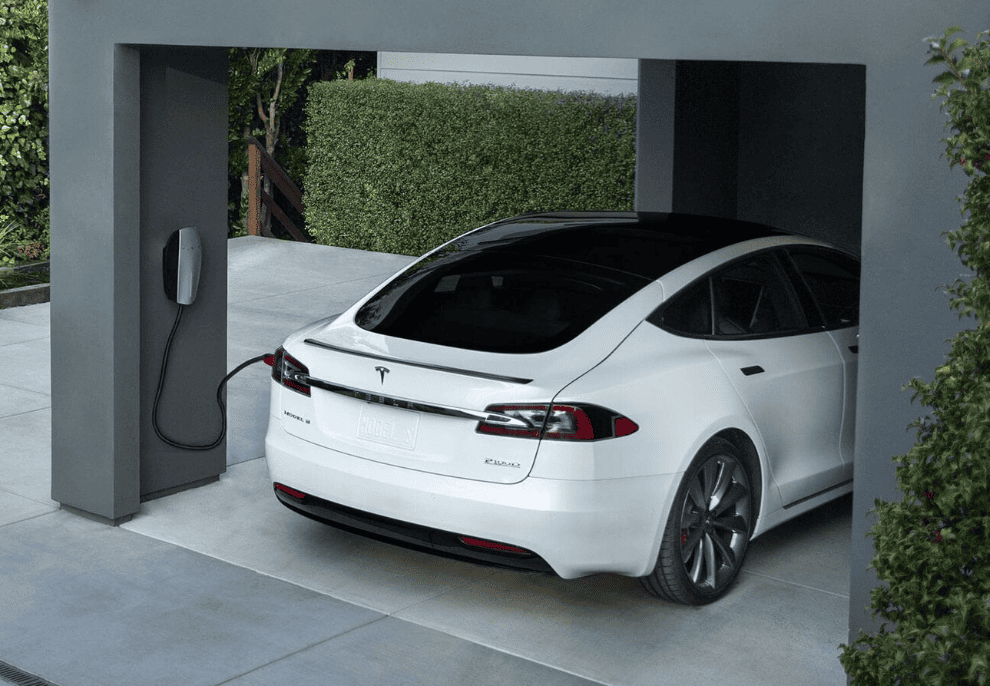
Residential EV charging stations are designed for private use by homeowners and tenants. These systems are typically installed in garages, driveways, or carports, allowing EV owners to recharge their vehicles conveniently at home.
One of the greatest advantages of residential charging is convenience. Owners can plug in their vehicles overnight and wake up to a fully charged battery, eliminating the need for frequent trips to public charging stations. This routine mirrors the simplicity of charging a smartphone and removes range anxiety for daily commuters.
Charging at home also provides predictability. Drivers know exactly when their vehicle will be ready, which is particularly valuable for people with consistent schedules or long commutes. For families with multiple vehicles, home charging ensures that at least one vehicle is always prepared for use.
Compared with commercial charging infrastructure, residential installations are relatively affordable. A standard Level 2 home charging station typically costs between $500 and $2,000, depending on electrical panel capacity, wiring distance, and installation complexity. In many cases, installation can be completed without major electrical upgrades, especially in newer homes designed with modern power systems.
Government incentives, rebates, and tax credits in many regions further reduce installation costs, making residential charging financially accessible for a wide range of households.
Residential charging stations are generally straightforward to install. A certified electrician can often complete the process in a few hours, provided the home's electrical panel can handle the additional load. The installation typically involves mounting the charging unit, running a dedicated circuit, and verifying system safety.
Homeowners are encouraged to evaluate their electrical capacity before installation. If the panel is near its limit, upgrading it or installing a higher-capacity charger may be advisable to support future EV purchases or higher-powered vehicles.
Charging at home is usually cheaper than using public chargers because residential electricity rates are often lower than commercial pricing structures. Many utilities also offer time-of-use pricing, allowing EV owners to charge during off-peak hours at reduced rates. Over time, these savings can be substantial, especially for drivers with high annual mileage.
Residential charging provides a secure and private charging environment. Owners do not need to worry about waiting in line, vandalism, or equipment availability. The charger is dedicated solely to the household, ensuring consistent access and eliminating competition for charging time.
Despite its advantages, residential charging has certain limitations. It may not be practical for apartment residents or individuals without dedicated parking spaces. Electrical capacity constraints can also limit charging speed, and installation may require permits or upgrades in older buildings.
Additionally, residential systems typically cannot match the rapid charging speeds of commercial Level 3 stations, making them less suitable for urgent or long-distance travel needs.
Commercial charging stations are designed to serve multiple users simultaneously and are commonly installed in workplaces, shopping centers, hotels, public parking facilities, and apartment complexes. These systems prioritize accessibility, speed, and scalability.
Commercial installations often feature several charging ports, allowing multiple vehicles to charge at the same time. This capability is essential in high-traffic locations where demand fluctuates throughout the day. Businesses can configure charging stations to accommodate employees, customers, tenants, or the general public.
Networked chargers are especially valuable in commercial environments. These systems allow operators to monitor usage, set pricing, restrict access, and generate usage reports. Such features help businesses optimize operations and manage energy consumption efficiently.
Commercial charging infrastructure frequently includes higher-power equipment, particularly DC fast chargers. These systems can charge an EV battery to a substantial level in approximately 30 minutes to an hour, depending on the vehicle and charger capacity. Rapid charging is critical for locations such as highway rest stops, retail centers, and fleet depots where quick turnaround is essential.
Although fast chargers significantly improve convenience, they require more complex electrical infrastructure and higher upfront investment.
Commercial charging systems involve higher installation costs than residential setups. Level 3 chargers can range from $10,000 to $40,000 per unit or more when including electrical work, permits, trenching, transformers, and networking equipment. The exact cost depends on power availability, site layout, and local regulations.
Businesses must often coordinate with utility providers to ensure adequate electrical supply. In some cases, infrastructure upgrades such as transformer installation or grid connection enhancements may be required. While these upgrades increase initial costs, they enable scalable charging capacity for future demand.
Installing EV charging stations can create significant business advantages. Charging infrastructure attracts customers who prefer locations where they can recharge while shopping, dining, or working. Studies indicate that a large percentage of EV owners choose businesses with charging facilities over those without, highlighting the competitive value of offering charging services.
Commercial charging can also generate revenue. Operators may implement pay-per-use pricing, subscription plans, or parking-plus-charging packages. For property owners, this creates a new income stream while enhancing property value and tenant satisfaction.
Businesses that install EV charging stations strengthen their sustainability credentials. Visible charging infrastructure demonstrates environmental responsibility and aligns companies with clean-energy initiatives. This can improve brand perception, attract environmentally conscious customers, and support corporate sustainability goals.
For organizations pursuing green building certifications or carbon-reduction targets, EV charging infrastructure contributes measurable environmental benefits.
Commercial charging is particularly valuable for fleet operators and workplaces. Companies with electric delivery vans, service vehicles, or company cars can reduce fuel costs and simplify logistics by charging vehicles on-site. Workplace charging also encourages employees to adopt EVs, supporting corporate sustainability initiatives while improving employee satisfaction.
Despite its advantages, commercial charging presents several challenges. High installation costs, permitting requirements, and electrical infrastructure upgrades can be barriers for small businesses. Maintenance and network management also require ongoing attention, and pricing strategies must balance profitability with customer satisfaction.
Demand variability is another factor. Some locations may experience inconsistent usage, which can affect return on investment. Careful site selection and demand forecasting are therefore essential when planning commercial charging installations.
A direct comparison between residential and commercial charging highlights their distinct roles within the EV ecosystem.
Purpose: Residential charging focuses on personal convenience and routine charging, while commercial charging emphasizes accessibility, speed, and multi-user support.
Cost: Residential systems are relatively inexpensive and simple to install. Commercial systems require larger investments but can generate revenue and long-term value.
Power Output: Home chargers typically provide moderate charging speeds suitable for overnight charging. Commercial chargers often deliver higher power levels for rapid charging.
Accessibility: Residential chargers are private and dedicated. Commercial chargers serve multiple users and may operate continuously throughout the day.
Scalability: Expanding residential charging capacity is limited by household electrical infrastructure. Commercial installations can scale more easily with proper planning and grid support.
Maintenance: Home chargers require minimal maintenance. Commercial stations demand regular monitoring, servicing, and network management.
Economic factors play a major role in deciding whether to install residential or commercial charging infrastructure.
For homeowners, the main financial consideration is installation cost versus long-term fuel savings. Charging at home is typically cheaper than purchasing gasoline or using public fast chargers. Over several years, the savings can offset installation expenses.
For businesses, the decision involves return on investment. Charging stations can attract customers, increase dwell time, and generate direct revenue. However, operators must consider electricity pricing, maintenance costs, and utilization rates. Strategic pricing models and partnerships with charging networks can improve profitability.
Government incentives also influence financial outcomes. Many regions offer subsidies, tax credits, or grants for both residential and commercial installations, reducing upfront costs and encouraging infrastructure expansion.
Advances in charging technology continue to shape both residential and commercial solutions. Smart chargers equipped with connectivity features allow users to schedule charging sessions, monitor energy usage, and integrate with renewable energy systems such as rooftop solar panels. These features enhance efficiency and reduce electricity costs.
Commercial systems increasingly incorporate advanced software platforms for energy management, load balancing, and user authentication. These technologies help operators optimize power distribution across multiple chargers and prevent grid overload.
Wireless charging and vehicle-to-grid integration are emerging innovations that may further transform EV charging. Such technologies could enable vehicles to supply electricity back to buildings or the grid during peak demand, creating new opportunities for energy management.
Both residential and commercial charging contribute to environmental sustainability by supporting the transition away from fossil fuels. Charging EVs with renewable electricity significantly reduces greenhouse gas emissions compared with conventional vehicles.
Residential charging paired with solar panels can create a nearly carbon-neutral transportation solution. Commercial installations powered by renewable energy sources can reduce the carbon footprint of entire fleets or business operations.
The expansion of charging infrastructure also accelerates EV adoption, which in turn reduces air pollution and supports global climate goals.
City planners and policymakers play a vital role in balancing residential and commercial charging availability. Urban areas with limited private parking may require extensive public charging networks to support residents without home charging access. Conversely, suburban regions with more private garages may rely more heavily on residential charging solutions.
Integrating charging infrastructure into building codes, zoning regulations, and transportation planning ensures that EV adoption can grow without overwhelming existing power systems. Coordinated infrastructure development helps create a reliable charging ecosystem that meets both current and future demand.
Selecting between residential and commercial charging depends on individual or organizational needs.
Homeowners who want convenience, predictable charging schedules, and lower costs will benefit most from residential installations. These systems are ideal for daily commuting and routine driving.
Businesses, property managers, and municipalities should consider commercial charging when they need to serve multiple users, attract customers, support fleets, or generate revenue. High-traffic locations and public facilities are particularly well suited for commercial charging infrastructure.
In many cases, a combination of both solutions provides the best outcome. Residential charging handles everyday needs, while commercial charging supports long-distance travel and public accessibility.
The future of EV charging will likely involve a hybrid ecosystem where residential and commercial systems complement each other. As EV adoption continues to rise, demand for both types of infrastructure will increase. Technological innovation, falling equipment costs, and supportive government policies are expected to accelerate deployment.
Smart grids, renewable energy integration, and advanced energy storage systems will further enhance charging efficiency and reliability. Over time, charging stations may become as common as traditional fuel stations, integrated seamlessly into homes, workplaces, and public spaces.
Residential and commercial EV charging stations serve distinct yet interconnected roles in the evolving electric mobility landscape. Residential charging offers convenience, affordability, and simplicity, making it the preferred choice for daily charging at home. Commercial charging, on the other hand, provides scalability, rapid charging capability, and business opportunities, supporting public access and large-scale electrification.
Understanding the differences between these two approaches is essential for making informed decisions about EV infrastructure investments. Whether for personal use or commercial deployment, selecting the right charging solution ensures efficiency, cost-effectiveness, and long-term sustainability.
As the world transitions toward cleaner transportation, both residential and commercial charging systems will remain fundamental pillars of the EV ecosystem, working together to support widespread adoption and create a more sustainable future.