
Electric vehicles (EVs) are transforming modern transportation, but for many drivers, charging infrastructure still feels complicated—especially when faced with unfamiliar plug types at public stations. What looks like a simple cable connection is actually part of a global ecosystem of electrical standards, engineering design, safety protocols, and regional regulations. Understanding EV charging plugs and charger classifications is essential not only for drivers but also for businesses, infrastructure planners, and policymakers working toward electrified mobility.
This comprehensive guide explains how EV charging connectors work, explores the main plug types used worldwide, breaks down charger levels and their capabilities, and examines future trends shaping the next generation of charging technology.
At the heart of EV charging are two forms of electricity: alternating current (AC) and direct current (DC). Every electric vehicle battery stores energy as DC power. However, most electrical grids and household outlets supply AC electricity. This difference is why charging systems must manage conversion between these two forms.
AC charging is the most common method for home and workplace charging. When you plug an EV into an AC source, the vehicle's onboard charger converts AC power into DC before storing it in the battery. Because onboard chargers have limited capacity, AC charging tends to be slower. However, it is gentler on battery components, generates less heat, and is often sufficient for overnight charging.
DC charging bypasses the onboard charger and delivers power directly to the battery. This allows much higher power levels and significantly faster charging speeds. DC charging stations contain large external converters and advanced cooling systems, enabling them to provide rapid energy transfer suitable for highway rest stops and commercial charging hubs.
Understanding whether a charger provides AC or DC power is crucial, because plug types and compatibility often depend on the type of current supplied.
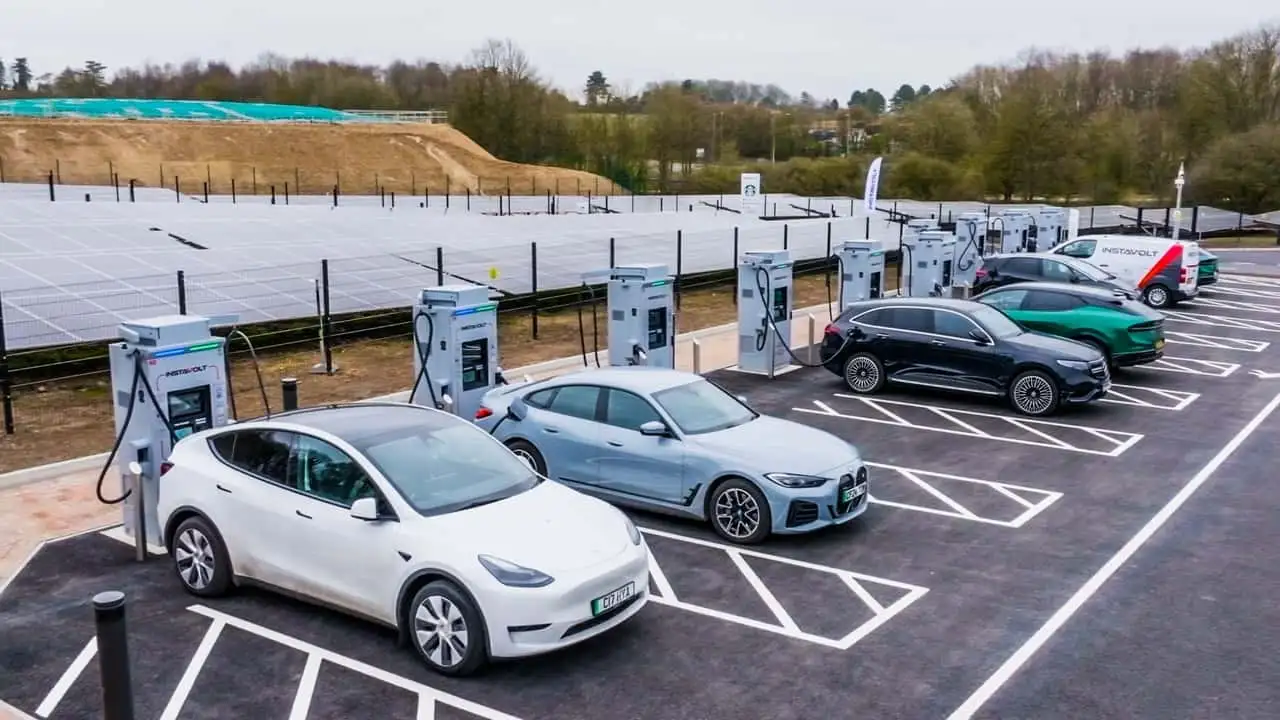
Unlike gasoline pumps, which are universally compatible, EV charging connectors vary by region. These differences developed because early EV markets evolved independently, each with its own engineering standards, grid characteristics, and regulatory bodies. Over time, industry groups began promoting standardized connectors to simplify infrastructure deployment and ensure safety.
Standardization matters for several reasons:
- Safety: Connectors must prevent electric shock and overheating.
- Interoperability: Drivers should be able to charge across networks.
- Efficiency: Standard plugs reduce manufacturing costs.
- Scalability: Governments can build nationwide charging systems faster.
Although the industry is gradually converging toward fewer connector standards, several plug types are still widely used today.
Type 1 connectors dominate AC charging in North America and some Asian markets. Developed under standards issued by SAE International, this plug supports single-phase AC charging and is commonly used for residential and commercial Level 1 and Level 2 charging stations.
Type 1 connectors are compact, reliable, and relatively simple. However, they do not support three-phase power, which limits their maximum charging speed compared with European connectors.
Key Characteristics
- Single-phase AC only
- Widely used in North America
- Moderate charging speeds
- Lightweight connector design
Type 2 connectors, often called “Mennekes” after the German company Mennekes, are the dominant AC charging standard across Europe and many other regions. They support both single-phase and three-phase power, allowing significantly faster AC charging than Type 1.
Type 2 plugs are designed for higher current loads and include additional pins for communication between the vehicle and charging station. Because of their versatility and performance, they have become the preferred AC connector for many global automakers.
Key Advantages
- Supports three-phase power
- Higher maximum charging rates
- Robust safety locking mechanism
- Widely adopted internationally
The Combined Charging System, commonly called CCS, has rapidly become the leading global standard for DC fast charging. CCS connectors combine AC and DC pins in a single port, allowing vehicles to use one socket for both slow and fast charging.
There are two main variants:
- CCS1: Based on Type 1 design, used mainly in North America.
- CCS2: Based on Type 2 design, widely used in Europe and other regions.
CCS is supported by major automakers and infrastructure providers because it enables ultra-fast charging capabilities exceeding 350 kW in advanced stations. Its flexibility and scalability have positioned it as the dominant future-proof connector standard.
The CHAdeMO connector was one of the earliest DC fast-charging standards and originated in Japan through collaboration among automakers and utilities coordinated by the CHAdeMO Association. For years, it was widely used by Japanese EV manufacturers and became common at early fast-charging stations worldwide.
However, as CCS adoption has expanded, CHAdeMO usage has gradually declined outside Japan. Some newer vehicles no longer support it, and infrastructure investments increasingly focus on CCS. Despite this trend, many existing vehicles still rely on CHAdeMO, so it remains relevant in legacy networks.
Early electric vehicles produced by Tesla used proprietary connectors designed specifically for the company's Supercharger network. These connectors were engineered for compact size, high power delivery, and seamless integration with Tesla vehicles.
In Europe and several other markets, newer Tesla models now use CCS-compatible ports to ensure broader charging access. Meanwhile, North America has seen the emergence of Tesla's connector design—often called NACS (North American Charging Standard)—being adopted by other automakers and network providers, signaling a potential shift toward unified charging infrastructure.
Although each connector has unique design features, most modern EV drivers only encounter two or three plug types in daily use. Regional adoption trends strongly influence which connectors are most relevant:
- North America: Type 1 (AC), CCS1 (DC), Tesla connector
- Europe: Type 2 (AC), CCS2 (DC)
- Japan: CHAdeMO primarily, with growing CCS presence
- China: GB/T standard (national system)
The long-term trend is toward consolidation. Industry alliances and government policies increasingly favor fewer universal standards, making cross-border EV travel easier.
In addition to plug types, EV chargers are categorized by their charging speed and electrical output. These classifications help consumers understand how quickly a vehicle can recharge.
Level 1 chargers are the simplest form of EV charging equipment. They plug into standard household outlets—typically 110 or 120 volts in North America—and require no special installation.
Performance
Level 1 charging adds approximately 4–5 miles of driving range per hour. While this may seem slow, it can be sufficient for drivers with short daily commutes. Overnight charging sessions lasting 8–12 hours can replenish a significant portion of battery capacity.
Best Use Cases
- Home charging for low-mileage drivers
- Emergency backup charging
- Temporary charging locations
Advantages
- No installation cost
- Universal compatibility
- Portable and convenient
Limitations
- Very slow charging speed
- Not suitable for large batteries
- Inefficient for frequent long trips
Despite their limitations, Level 1 chargers play an important role in introducing new drivers to electric mobility, particularly in regions where dedicated charging infrastructure is still developing.
Level 2 chargers represent the most common solution for residential and public charging. They operate using a 220–240 volt power supply, similar to appliances such as electric dryers or ovens.
Performance
Level 2 chargers typically add 25–30 miles of range per hour, depending on vehicle capability and charger power rating. This means most EVs can recharge fully within 4–10 hours.
Common Locations
- Private homes
- Office parking lots
- Shopping centers
- Hotels and apartment complexes
Why Level 2 Is Popular
- Balanced speed and cost
- Compatible with most EVs
- Ideal for overnight charging
- Supports smart charging features
Many modern Level 2 chargers include Wi-Fi connectivity, smartphone apps, scheduling functions, and energy monitoring. These features allow drivers to charge during off-peak hours when electricity rates are lower, reducing operating costs.
DC fast chargers—sometimes called Level 3 chargers—provide the fastest charging speeds available today. Instead of relying on the vehicle's onboard converter, these stations supply DC power directly to the battery.
Performance
Depending on the charger's output and the vehicle's battery design, DC fast chargers can add up to 250 miles of range in about 30 minutes. Some ultra-fast systems can deliver even higher rates for compatible vehicles.
Typical Locations
- Highway rest stops
- Urban charging hubs
- Commercial fleet depots
- Travel corridors
Benefits
- Rapid charging for long trips
- Minimal downtime
- Essential for commercial EV fleets
Challenges
- Higher installation costs
- Greater electrical infrastructure requirements
- Increased battery heat generation
Because of these factors, DC fast chargers are usually installed by utilities, governments, or private charging networks rather than individual homeowners.
A common concern among EV owners is whether frequent fast charging harms battery life. The answer is nuanced.
Fast charging generates more heat, which can accelerate battery degradation if used excessively. However, modern EVs include sophisticated battery management systems that regulate temperature, voltage, and charging rates to protect cells. Occasional fast charging—especially during road trips—generally has minimal long-term impact.
Most experts recommend a balanced approach:
- Use Level 2 charging for daily needs.
- Reserve DC fast charging for long journeys or time-sensitive situations.
- This strategy maximizes convenience while preserving battery longevity.
Modern charging stations do far more than deliver electricity. They communicate with vehicles, utility grids, and cloud platforms to optimize energy flow. Advanced features include:
- Load balancing: Distributes power across multiple chargers.
- Demand response: Adjusts charging speed during grid stress.
- User authentication: Enables billing and access control.
- Remote diagnostics: Detects faults and reduces downtime.
These capabilities rely on digital communication standards embedded within connectors and charging equipment. As smart grid technology evolves, charging infrastructure will increasingly function as an integrated part of energy systems rather than standalone devices.
The choice of charger type often depends on where charging occurs.
Home charging is typically slower but more convenient. Most EV owners rely on Level 1 or Level 2 chargers installed in garages or driveways. Because vehicles remain parked for long periods, fast charging is rarely necessary.
Public stations prioritize speed and accessibility. They commonly feature Level 2 and DC fast chargers to serve drivers who need quick energy replenishment while traveling or running errands.
Businesses operating EV fleets often install dedicated DC fast chargers to keep vehicles on the road. Delivery companies, ride-sharing fleets, and transit agencies depend on high-power infrastructure to maintain operational efficiency.
Governments worldwide are investing heavily in EV charging infrastructure to accelerate adoption. National policies often focus on three goals:
- Expanding highway fast-charging networks
- Increasing residential charger availability
- Standardizing connectors and payment systems
In many regions, regulations now require new buildings to include EV-ready wiring. Some countries offer tax incentives or rebates to offset installation costs. These initiatives are rapidly increasing charger availability and reducing range anxiety for drivers.
Another emerging trend is megawatt-scale charging, designed for heavy-duty electric trucks and buses. These systems deliver far higher power levels than passenger-vehicle chargers and will require new connector designs and grid upgrades.
One of the biggest challenges in EV infrastructure has been the coexistence of multiple connector types. For years, drivers needed adapters or had to search for compatible stations. Industry leaders and regulators are now working to simplify the landscape.
The growing dominance of CCS and the increasing adoption of Tesla's connector design in North America suggest the industry may eventually converge on a small number of universal standards. This shift would benefit drivers, manufacturers, and infrastructure providers alike by reducing complexity and improving interoperability.
Selecting an EV charger depends on several practical factors:
- Driving habits: Daily mileage determines required charging speed.
- Electrical capacity: Homes may need panel upgrades for Level 2 chargers.
- Installation budget: Higher-power chargers cost more.
- Future vehicle plans: Larger batteries may require faster charging.
For most drivers, a Level 2 charger provides the ideal balance between speed, cost, and convenience. However, those who travel long distances frequently may rely more heavily on public DC fast chargers.
EV charging is evolving rapidly, with innovations aimed at improving speed, convenience, and sustainability. Emerging developments include:
- Wireless charging pads embedded in parking spaces or roads
- Vehicle-to-grid systems allowing EVs to supply power back to utilities
- Solar-integrated charging stations for renewable energy use
- Ultra-fast solid-state battery charging technologies
As these advancements mature, charging may become as seamless and routine as plugging in a smartphone.
Understanding EV charging plugs and charger levels is essential for navigating the electric mobility landscape. While the variety of connector types may initially seem confusing, each exists for historical and technical reasons tied to regional standards and infrastructure development. Today, AC connectors such as Type 1 and Type 2 dominate everyday charging, while DC systems like CCS enable ultra-fast energy delivery for long-distance travel.
Charger classifications—from Level 1 to DC fast charging—provide a practical framework for choosing the right solution based on driving habits and energy needs. As infrastructure expands and standards converge, the charging experience will become simpler, faster, and more universally compatible.
Ultimately, the evolution of charging technology is not just about convenience—it is a critical foundation for the global transition to clean transportation.