
As the world shifts toward sustainable energy solutions, electric vehicles (EVs) have become a central part of the conversation. As more people adopt EVs, the need for convenient, reliable, and efficient home charging solutions has grown. When setting up a home charging station, one of the first decisions an EV owner will face is choosing between tethered and untethered chargers. These two types of chargers differ primarily in the way the charging cable is handled: a tethered charger has a fixed, permanently attached cable, while an untethered charger requires you to connect a separate cable each time.
Both tethered and untethered chargers serve the same basic purpose—charging your electric vehicle—but they each have their own distinct advantages and drawbacks. Understanding the differences between these two types of chargers is crucial to selecting the best option for your EV, lifestyle, and specific needs. In this comprehensive guide, we'll delve into the key differences between tethered and untethered EV chargers, exploring their pros and cons, and helping you determine which option is best suited for your home charging setup.
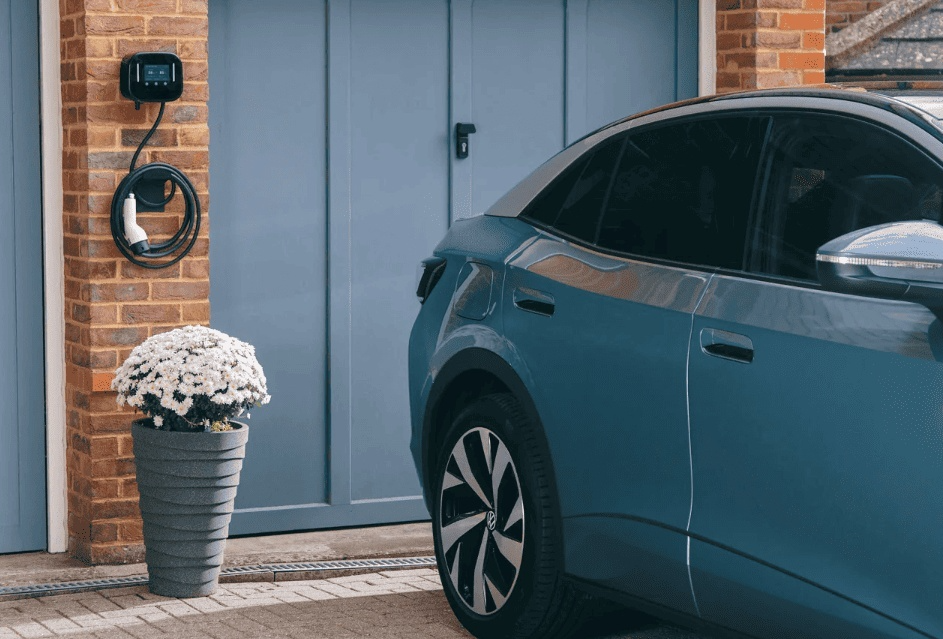
A tethered charger is a home charging station with a permanently attached cable. This cable is integrated into the unit, and it typically ends in a connector that plugs directly into your electric vehicle. The tethered charger is designed for simplicity and convenience: when you arrive home, you simply uncoil the attached cable, plug it into your EV, and start charging. The term “tethered” refers to the fact that the cable is permanently affixed to the unit, eliminating the need to keep track of a separate cable.
One of the biggest advantages of a tethered charger is the convenience it offers. With a fixed cable that's always attached, there's no need to search for or connect a separate charging cable. As soon as you pull into your driveway or garage, you can immediately plug in and start charging. This instant accessibility is especially helpful for people with busy lifestyles who want a quick, easy charging solution.
Another benefit of tethered chargers is that the cable is much less likely to be stolen. Since it is permanently connected to the unit, the charging cable can't be easily removed or taken, unlike untethered chargers, where the cable can be detached and stolen. This makes tethered chargers a more secure option for homeowners who may be concerned about cable theft, especially in areas with lower levels of security.
Tethered chargers generally use a fixed connector type—either Type 1 or Type 2—which ensures that you have a consistent and reliable connection every time you charge. Unlike untethered chargers, which may require you to choose and connect a separate cable, tethered chargers are always ready to go. This simplicity is a major benefit, especially if you use your EV frequently.
One of the key drawbacks of tethered chargers is that the length of the cable is fixed. If your parking arrangement requires a longer cable, you may find that the standard cable length provided with the charger is not sufficient. In such cases, you would either need to purchase an additional cable, which can increase your overall costs, or replace the entire charger with a unit that includes a longer cable. This can be an inconvenience if your parking space is further from the charging unit than anticipated.
Tethered chargers are generally restricted to either Type 1 or Type 2 connectors. If your vehicle requires a different type of connector, you may not be able to use the tethered charger without an adapter, or you may need to replace the charger entirely. This lack of flexibility could be a drawback if you plan to upgrade your vehicle in the future or use the charger for multiple types of EVs.
Tethered chargers are usually larger and bulkier than their untethered counterparts because they require space for the attached cable. This could affect the aesthetics of your garage or parking area, especially if you prefer a minimalist design. Additionally, the cable can become tangled or damaged over time, which may require periodic maintenance.
An untethered charger, in contrast, does not have a permanently attached cable. Instead, the charging unit features a socket into which you can plug a separate cable each time you need to charge your vehicle. This type of charger provides more flexibility because you can choose the length and type of cable that best suits your parking situation. Untethered chargers are sometimes referred to as “universal chargers” because the socket allows you to use various types of cables with different connectors.
One of the primary advantages of an untethered charger is the flexibility it offers in terms of the cable you use. Because the cable is separate, you can choose the length and type of cable that best fits your parking space. For example, if you need to park your vehicle far from the charging station, you can select a longer cable to accommodate the distance. If you share the charger with other EV owners who use different connector types, you can simply swap out the cable for one that fits their vehicle.
Untethered chargers have a cleaner, more streamlined appearance. Since there is no permanently attached cable, the unit can remain compact and unobtrusive when not in use. This is particularly appealing for people who prioritize aesthetics or who have limited space in their garage. By storing the cable separately, you can maintain a tidy, minimalist look without the bulkiness of a tethered charger.
Untethered chargers are more adaptable to future changes in EV technology. As connector types evolve, you can easily switch to a new cable that works with your vehicle, ensuring long-term compatibility. This makes untethered chargers a more future-proof option if you anticipate changing or upgrading your vehicle in the future.
The main disadvantage of an untethered charger is the extra setup time required. Unlike tethered chargers, where the cable is always ready to use, untethered chargers require you to retrieve the cable, connect it to the charger, and then plug it into your vehicle. While this process only takes a minute or two, it adds an extra step compared to the straightforward plug-and-go experience of tethered chargers.
Since the cable is stored separately from the charging unit, there is always the risk of misplacing it. If you forget to bring the cable or leave it somewhere else, you won't be able to charge your vehicle. This can be an inconvenience if you frequently move your charger or travel with your vehicle. Additionally, a loose or uncoiled cable presents a tripping hazard or could be damaged if not stored properly.
With an untethered charger, you must ensure that you have a compatible cable available each time you need to charge. If you don't have the correct cable with you, you won't be able to charge your EV. This reliance on a separate cable means you need to be diligent about bringing the cable along when needed.
When deciding between tethered and untethered chargers for home use, several factors can influence your decision:
Tethered home chargers are ideal for those who want a hassle-free, ready-to-use charging solution. The convenience of having a fixed cable means there's no need to worry about retrieving, connecting, or storing cables. Additionally, the risk of theft is minimized since the cable is permanently attached to the unit. However, tethered chargers tend to be bulkier and more expensive upfront. The fixed cable length can also limit flexibility, and you may need to purchase a longer cable if your parking situation requires it.
Untethered home chargers offer flexibility in terms of cable length and type, making them a great option for people with varying parking setups or who want to future-proof their system. These chargers tend to be more compact, cost less, and have a cleaner aesthetic. However, they require more effort to use each time you need to charge, as you'll need to retrieve the cable and connect it. Untethered chargers also come with the responsibility of keeping track of the cable, which could lead to misplacement or theft.
In conclusion, both tethered and untethered EV chargers offer unique benefits and limitations. Tethered chargers are ideal for those seeking a simple, convenient, and secure charging solution, while untethered chargers offer flexibility, cleaner aesthetics, and long-term compatibility with different cable types. Ultimately, your decision will depend on factors such as your parking arrangement, the number of EVs in your household, the types of connectors you need, and how much you value convenience versus customization.
By carefully weighing the pros and cons of each charger type, you can make an informed decision that aligns with your charging needs, lifestyle, and budget. Whether you opt for a tethered or untethered charger, both will serve to power your electric vehicle efficiently, helping to pave the way for a sustainable future in transportation.
