
As electric vehicles (EVs) continue to grow in popularity, the need for efficient, accessible, and fast charging options is more important than ever. The advent of electric vehicles has reshaped the transportation industry, and with it, the charging infrastructure has evolved to support varying levels of power and charging speed. Understanding the different charging options available is crucial for both EV owners and prospective buyers who rely on these charging stations to keep their vehicles running smoothly.
There are three primary types of EV chargers, each offering different charging speeds, costs, and infrastructure needs: Level 1, Level 2, and Level 3 (also known as DC Fast Charging). While Level 1 chargers are the most basic and slowest option, Level 2 and Level 3 chargers offer much faster charging times. The differences between these levels are often a point of confusion for many new EV owners. This article explores the key differences between Level 2 and Level 3 charging stations, highlighting the benefits and drawbacks of each and how they impact EV usage and installation decisions.
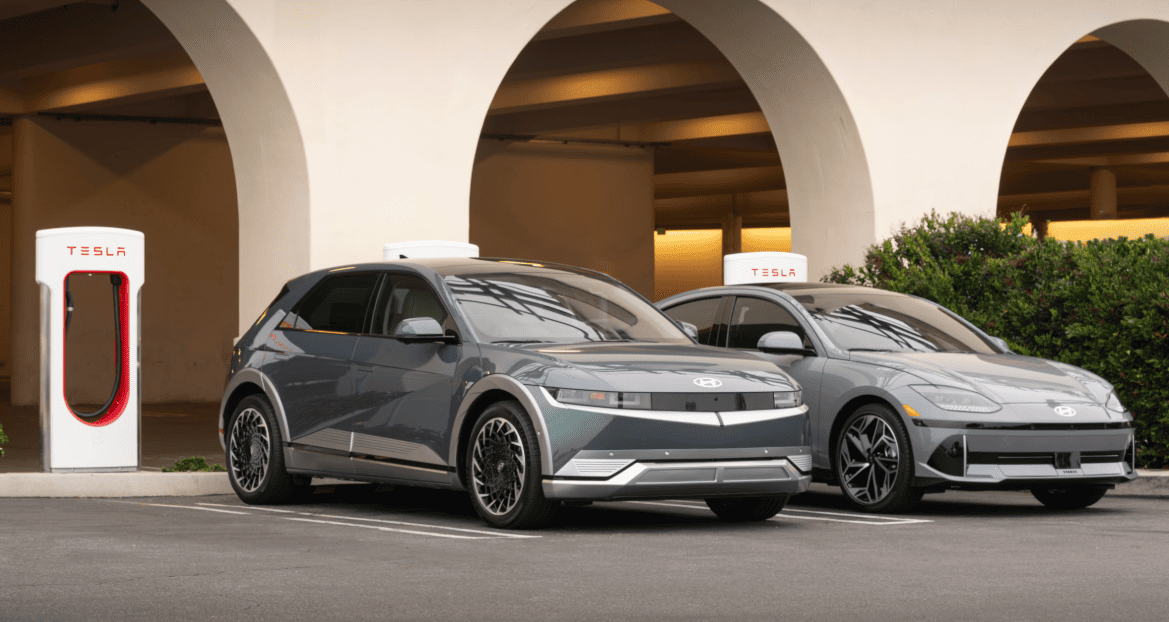
To understand the significance of Level 2 and Level 3 charging stations, it's important to first define the basics of how each level operates and what sets them apart.
- Level 1 Charging: This is the most basic form of charging, which uses a standard 120V electrical outlet to charge the EV. Level 1 is typically slow, adding just 3-5 miles of range per hour of charging, making it more suitable for overnight home charging.
- Level 2 Charging: Operating at 240V, Level 2 charging stations are faster than Level 1 chargers and are typically used in home garages, workplaces, and public locations. These chargers are capable of adding between 12-32 miles of range per hour, depending on the charger and vehicle capacity.
- Level 3 Charging (DC Fast Charging): This level is designed for ultra-fast charging, typically used along highways and major travel routes. DC fast chargers deliver high-voltage DC power directly to the vehicle's battery, allowing EVs to charge from 20% to 80% in as little as 30 minutes, offering a substantial range boost in a short period.
Level 2 chargers are among the most commonly used types of chargers for both residential and commercial purposes. These chargers operate at 240V, which is the same voltage used for high-powered appliances like electric dryers and ovens. Because Level 2 chargers use a higher voltage, they can charge an EV much faster than Level 1 chargers, which operate on standard household 120V circuits.
The typical Level 2 charging station delivers a continuous power output of around 6 kW. This charging rate allows an EV to gain between 12 to 32 miles of range per hour, making it ideal for charging overnight or during extended stops, such as at workplaces or shopping centers. However, not all Level 2 stations are created equal. Charging speed can vary based on several factors:
- Amperage: A standard Level 2 charger operates at 24 amps, providing 6 kW of power. However, some higher-end models can deliver up to 80 amps, or 19.2 kW, which charges EVs much faster.
- Car Compatibility: The vehicle's onboard charging system also limits the charging speed. Not all EVs can take advantage of the maximum output provided by higher-amperage Level 2 chargers. It's essential to match the EV's charging capabilities with the charger's output to avoid paying for extra power capacity that won't be used.
- Faster Charging Times: Level 2 chargers offer a significant speed advantage over Level 1 chargers, with the ability to charge an EV much faster, making them ideal for daily use and regular top-ups.
- Wide Availability: Level 2 chargers are commonly found in home installations, public charging stations, and workplaces, providing convenient charging solutions for drivers.
- Ideal for Destination Charging: Level 2 charging is most suitable for locations where the vehicle will be parked for extended periods, such as at home, during work hours, or while shopping.
Level 3 chargers, also known as DC Fast Chargers, are the fastest charging option available today. These stations are typically found in high-traffic areas, along highways, and at rest stops, offering quick recharging capabilities for drivers who need to extend their range quickly.
Unlike Level 1 and Level 2 chargers, which use alternating current (AC) to charge the vehicle, Level 3 chargers supply direct current (DC) power directly to the battery. This method bypasses the vehicle's onboard charger and can deliver far higher voltages, ranging from 400V to 800V, which enables extremely fast charging times.
DC fast chargers are capable of charging an EV battery from 20% to 80% in as little as 30 minutes, depending on the charger's power output and the vehicle's battery size. The power delivery rate for Level 3 chargers can range from 50 kW to 500 kW, with some of the most powerful chargers pushing well over 350 kW. However, the vehicle must be compatible with these high-output levels to achieve maximum charging speeds.
Some of the most notable networks offering Level 3 charging include:
- Tesla Supercharger Network: Tesla's proprietary charging stations are designed to quickly charge Tesla EVs, offering charging speeds of up to 250 kW.
- EVgo & Electrify America: These networks are expanding rapidly in the U.S., providing DC fast chargers with varying charge rates depending on the station's location and infrastructure.
- Ultra-Fast Charging: The primary advantage of Level 3 chargers is their speed. A 30-minute charging session can add up to 250 miles of range, making them invaluable for long trips and emergencies.
- Convenience for Long-Distance Travel: Level 3 stations are strategically placed along highways and major travel routes, making long-distance EV travel more feasible. Drivers can quickly charge their EVs and continue their journey with minimal downtime.
- Reduced Wait Times: For drivers in a hurry, Level 3 chargers provide the ability to top up the battery rapidly, making them perfect for quick pit stops during road trips.
While both Level 2 and Level 3 chargers are critical to the EV infrastructure, they serve very different purposes based on speed, cost, and location.
Feature | Level 2 Charging | Level 3 Charging (DC Fast Charging) |
Charging Speed | 12-32 miles per hour | 100-250 miles in 30 minutes |
Voltage | 240V | 400-800V |
Power Output | 6 kW (up to 19.2 kW for high-output models) | 50-500 kW |
Ideal Use Case | Home, workplaces, shopping centers | Long trips, highway charging, quick top-ups |
Installation Cost | Moderate (less expensive than Level 3) | High (requires significant infrastructure) |
Infrastructure | Standard 240V outlets | Specialized infrastructure (requires high-capacity power grid) |
Understanding how Level 2 and Level 3 charging stations perform in real-life situations can help EV owners make informed decisions about their charging needs. Here's a breakdown of typical charging sessions using both types of chargers:
- Level 2: Adds 20-30 kilometers of range in just 30 minutes. While slower, it's still a good option for a quick recharge when you have limited time.
- Level 3: Adds an impressive 100-300 kilometers of range in just 30 minutes, making it ideal for drivers needing a quick boost on long trips.
- Level 2: Adds 40-60 kilometers of range, which is enough for some short local trips or daily commutes.
- Level 3: Can fully charge most EVs within an hour, providing maximum convenience for busy drivers who need a full charge in a short period.
- Level 2: Adds 80-120 kilometers of range, enough for most daily driving needs.
- Level 3: Fully charges most vehicles within two hours, giving you ample time to shop while your car charges.
- Level 2: Fully charges most EVs, making it ideal for overnight or workday charging.
- Level 3: Can charge multiple vehicles simultaneously, perfect for high-traffic locations or commercial charging stations.
These scenarios highlight the major speed differences and how each type of charger serves different needs, from quick top-ups to full charges for long-distance travel.
Both Level 2 and Level 3 charging stations have a crucial role in supporting the electric vehicle revolution. Level 2 chargers are ideal for daily use, providing fast and convenient charging at home, work, or public locations. They are perfect for regular commuters and drivers who can leave their vehicles parked for extended periods.
Level 3 chargers, on the other hand, are essential for long-distance travel, offering ultra-fast recharging when time is of the essence. While they come with higher installation and operational costs, their speed and convenience make them indispensable for long journeys and road trips.
Understanding these key differences will help EV owners make informed decisions about which charging stations best suit their needs, whether they’re looking for regular top-ups or a quick charge before hitting the road again.
