
Electric vehicles (EVs) are rapidly transforming the global transportation landscape. As governments encourage cleaner transportation and automakers release new electric models each year, more drivers are transitioning from traditional gasoline-powered vehicles to EVs. This shift represents a significant step toward reducing carbon emissions, improving urban air quality, and creating a more sustainable transportation system.
However, while many drivers are familiar with the routine of stopping at a gas station, charging an electric vehicle can feel unfamiliar at first. New EV owners often ask practical questions such as: Where can I charge my vehicle? How long will it take? What types of chargers are available? How do payments work at public charging stations?
Fortunately, using a public charging station is much easier than many people initially assume. Modern charging networks are designed to be user-friendly, accessible, and increasingly widespread. Whether you are commuting, running errands, or traveling long distances, public charging infrastructure plays a critical role in ensuring EV drivers can keep their vehicles powered whenever needed.
This guide explains everything you need to know about public EV charging, including how to locate charging stations, understand different charging speeds, connect your vehicle properly, and complete a charging session safely and efficiently.
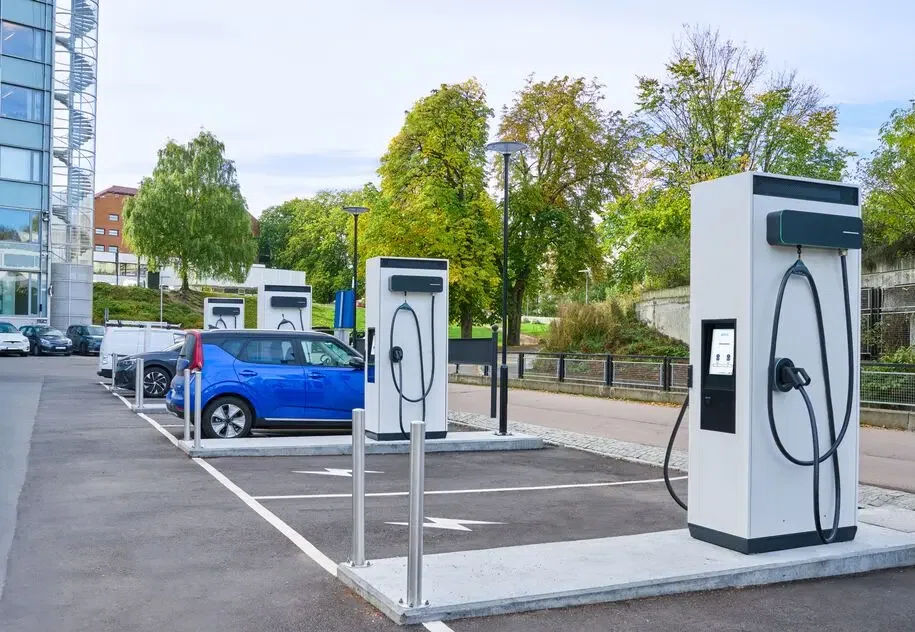
Public EV charging refers to charging stations that are accessible to anyone, typically located in shared spaces such as parking lots, shopping centers, roadside rest areas, office buildings, hotels, and public garages. These chargers are operated by charging network providers and are available for use by EV drivers, usually for a fee.
Public charging infrastructure is essential for many reasons. Some EV owners may not have the ability to install a home charging system, particularly those living in apartments or condominiums. Others may need to charge while traveling or during long commutes. In these situations, public charging stations provide the flexibility and convenience needed to keep vehicles operational.
According to industry studies, approximately one-third of EV drivers regularly rely on public charging networks. As EV adoption grows, governments and private companies are investing heavily in expanding charging infrastructure, making it easier than ever to find a charging station nearby.
Public charging stations are designed to accommodate a wide range of vehicles and charging needs. Some chargers provide slower but widely available charging options, while others offer high-speed charging that can replenish a battery in a much shorter time.
Before using a public charging station, it is helpful to understand the main types of chargers available.
Level 2 EV chargers are among the most common public charging solutions. They operate on higher-voltage electricity than standard household outlets and can charge an EV significantly faster than basic home outlets.
Typical charging speeds for Level 2 chargers range from 6 kW to 19 kW, depending on the station and vehicle capability. These chargers are commonly installed at locations where vehicles remain parked for extended periods, such as shopping malls, workplaces, and parking garages.
Charging with a Level 2 station usually takes several hours to fully recharge a vehicle, making them ideal for situations where drivers can leave their vehicles parked for a while.
DC fast chargers are designed for rapid charging, allowing drivers to add a significant amount of range in a relatively short time. These stations use direct current (DC) electricity to deliver high power directly to the vehicle's battery.
Charging speeds typically range from 50 kW to 350 kW, depending on the station and vehicle compatibility. In many cases, a DC fast charger can charge a battery to 80% capacity in about 20 to 40 minutes.
These chargers are commonly located along highways and major travel routes, making them ideal for long-distance trips.
One of the first steps in using public charging is locating a nearby station. Fortunately, several tools make this process simple.
Many charging networks operate mobile applications that allow users to locate nearby stations, check availability, and start charging sessions. These apps often include additional features such as route planning, pricing information, and station status updates.
Many modern EVs include built-in navigation systems that display nearby charging stations and recommend charging stops during long trips.
Various mapping platforms and EV-specific websites provide real-time data about charging station locations, availability, connector types, and user reviews.
Using these tools, drivers can quickly locate charging stations that match their vehicle's connector type and charging speed requirements.
Before arriving at a public charger, there are several steps that can help ensure a smooth charging experience.
Different EV models use different charging connectors depending on the region and manufacturer. Drivers should confirm that the station supports their vehicle's connector type.
Many charging networks require drivers to create an account or install a mobile app before initiating a charging session. Payment methods may include credit cards, mobile wallets, or subscription-based charging plans.
Charging times vary depending on the station type, battery size, and current state of charge. Planning ahead helps drivers avoid unnecessary waiting and ensures efficient travel.
Using a public charging station typically involves a few simple steps. While procedures may vary slightly between networks, the general process remains consistent.
Once you arrive at a charging station, park your vehicle in the designated charging space. Be sure to follow any posted instructions or signage to ensure proper positioning.
Some stations require vehicles to park in a specific orientation so that the charging cable can reach the vehicle's charging port.
Most charging stations provide instructions on the unit itself or within the network's mobile application. These instructions explain how to initiate the charging session, connect the cable, and complete payment.
Before beginning, carefully read any safety warnings or operating guidelines displayed on the station.
EV charging ports are usually located on the exterior of the vehicle. Common locations include the front grille, rear quarter panel, or near the driver's side door.
In many vehicles, the charging port is located on the driver's side near the rearview mirror or behind the rear wheel arch.
To access the charging port, press on the charge port door until it clicks open. Some vehicles have motorized charge port doors that open automatically when pressed.
Once opened, you may notice indicator lights surrounding the port. These lights often display the vehicle's charging status.
Remove the charging connector from the station and insert it firmly into the vehicle's charging port.
If the cable connector does not match your vehicle's port, you may need to use an adapter. Many EV drivers carry adapters to ensure compatibility with different charging networks.
Depending on the station type, you may need to activate charging using a mobile app, RFID card, credit card reader, or vehicle interface.
Once the session begins, the charging station will supply electricity to the vehicle's battery. The vehicle or station display will show the charging progress.
During the charging session, you can monitor the battery level through your vehicle's dashboard, mobile app, or the station display.
Most drivers charge their vehicles to around 80% capacity when using fast chargers, as charging speeds typically slow down beyond this point.
Once charging is complete, stop the session using the station interface or mobile app.
After ending the session, disconnect the charging cable and return it to the station holder.
Close the vehicle's charge port door securely before leaving the station.
Finally, move your vehicle to allow other drivers to access the charger.
Public charging stations offer several payment methods.
Many charging networks allow drivers to pay per charging session using credit or debit cards.
Charging apps often store payment details and automatically charge users after each session.
Some networks offer membership programs with discounted charging rates for frequent users.
Pricing structures may vary depending on location, charging speed, and network provider.
As EV adoption grows, following good charging etiquette helps ensure fair access to charging infrastructure.
Drivers should avoid occupying charging spaces when not actively charging and should move their vehicles promptly once charging is complete.
It is also courteous to avoid unplugging another vehicle unless explicitly permitted by the station guidelines.
- Although EV charging is generally safe, drivers should follow several basic precautions.
- Inspect cables and connectors for damage before use
- Avoid using chargers during severe weather if equipment appears compromised
- Follow all posted instructions at the charging station
- Never attempt to force incompatible connectors
By following these guidelines, drivers can ensure safe and reliable charging sessions.
Public charging networks offer several advantages for EV drivers.
Convenience
Drivers can charge while shopping, working, or traveling.
Range Confidence
Widespread charging infrastructure reduces range anxiety and makes long-distance travel possible.
Support for Urban Living
Public chargers allow EV ownership for people without private parking or home charging access.
Public charging infrastructure continues to expand worldwide as governments and private companies invest in EV adoption.
New technologies are also improving the charging experience, including ultra-fast charging stations, smart charging networks, and integrated payment systems.
Additionally, advanced charging management platforms are helping operators optimize energy distribution and ensure reliable service for growing EV fleets.
As EV technology evolves, public charging stations will play an increasingly important role in supporting sustainable transportation.
Public EV charging stations are a vital component of the modern electric mobility ecosystem. They provide drivers with convenient access to energy when home or workplace charging is unavailable and enable long-distance travel with electric vehicles.
Although the process may seem unfamiliar at first, using a public charging station is straightforward once drivers understand the basic steps. By locating a compatible station, connecting the charging cable correctly, and following the station's instructions, EV drivers can quickly and safely recharge their vehicles.
As charging networks continue to expand and technology improves, public charging will become even more accessible, reliable, and efficient. For current and future EV owners, learning how to use public charging stations effectively is an important step toward enjoying the full benefits of electric mobility.
