
The global transition to electric mobility is accelerating at an unprecedented pace. Governments are setting ambitious decarbonization targets, automakers are expanding electric vehicle (EV) portfolios, and charging networks are rapidly scaling to meet growing demand. At the heart of this transformation lies a critical yet often overlooked element: EV charger security.
EV chargers are no longer simple electrical outlets. They are intelligent, connected devices that communicate continuously with electric vehicles, centralized Charging Station Management Systems (CSMS), cloud-based monitoring platforms, mobile applications, and payment processors. This high level of connectivity improves user convenience, operational efficiency, and grid integration—but it also introduces new cybersecurity risks.
As EV charging infrastructure becomes deeply integrated with smart grids and digital payment ecosystems, any security vulnerability can have far-reaching consequences. Protecting EV chargers is no longer optional; it is a strategic necessity for protecting consumers, businesses, vehicles, and even national energy systems.
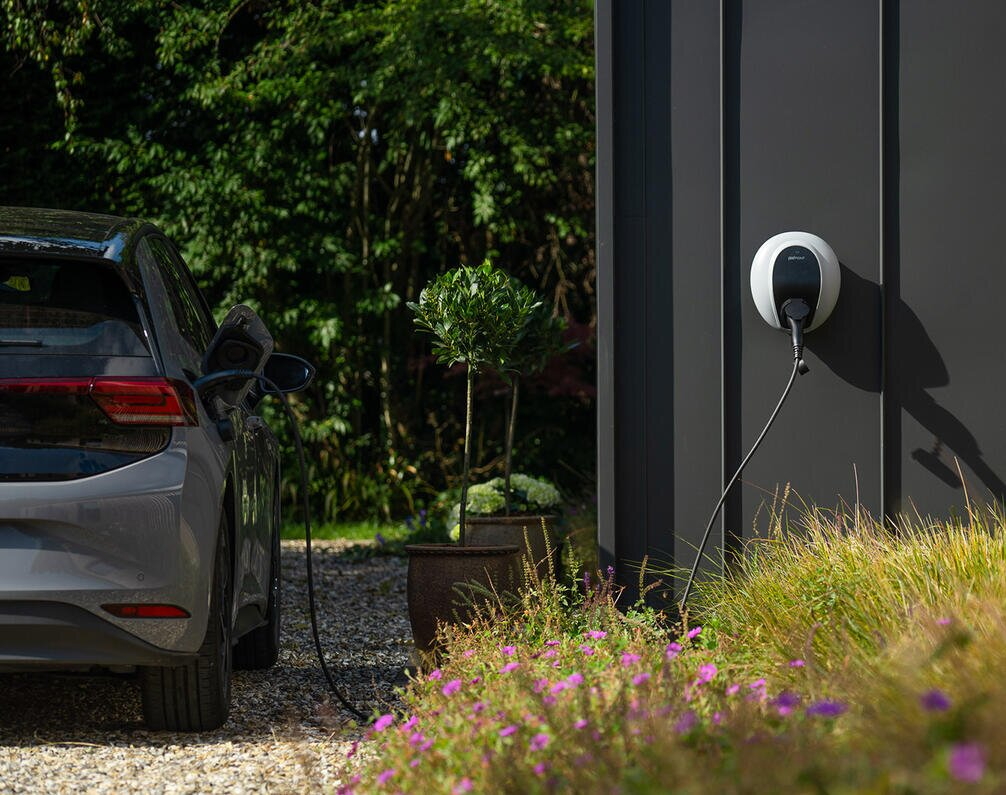
Modern EV charging systems rely on communication protocols such as the Open Charge Point Protocol (OCPP) to connect chargers to backend management systems. Chargers exchange real-time data including charging session details, user authentication information, firmware updates, and billing records.
This interconnected ecosystem means that a vulnerability at one point—whether at the device level, in the communication channel, or in the cloud backend—can compromise the entire network. A single unsecured charger could serve as an entry point for broader cyberattacks.
Data privacy is one of the most critical concerns in EV charger security. Charging networks process and store sensitive information such as:
- Vehicle Identification Numbers (VINs)
- Driver identity and account credentials
- Payment card information
- Charging session history
- Location and travel data
Organizations such as the International Association of Privacy Professionals (IAPP) have highlighted the growing risks to personal data privacy within connected charging infrastructures.
If improperly secured, EV charging systems can become targets for data breaches, identity theft, and financial fraud. Compromised user accounts could allow attackers to initiate unauthorized charging sessions or manipulate billing records. Even more concerning, location and travel data could reveal sensitive behavioral patterns about individuals or corporate fleets.
Strong encryption, secure authentication protocols, and data minimization strategies are therefore essential components of modern charger design.
Electric vehicles are increasingly software-defined machines. Many modern EVs incorporate advanced driver-assistance systems (ADAS), over-the-air (OTA) updates, and connected infotainment systems.
If a charging station is compromised, it could theoretically serve as a conduit for delivering malicious software to a connected vehicle. While automotive manufacturers implement multiple layers of security within the vehicle itself, the charging interface represents an additional attack surface.
A malicious actor exploiting a vulnerable charger could attempt to:
- Inject harmful firmware
- Interfere with vehicle charging parameters
- Access vehicle communication systems
- Disrupt driver-assistance features
As EV autonomy and connectivity increase, the cybersecurity relationship between charger and vehicle becomes more critical. Protecting chargers helps protect vehicles.
Historically, electrical grids have demonstrated strong resilience against physical failures and environmental events. However, digitalization introduces new vulnerabilities.
As EV charging networks expand, they are becoming integral components of smart grid infrastructure. Utilities increasingly rely on connected chargers for demand response programs, load balancing, and energy optimization.
The Institute of Electrical and Electronics Engineers (IEEE) has raised concerns about improperly secured distributed energy devices, including EV chargers. A coordinated cyberattack targeting thousands of chargers simultaneously could:
- Trigger sudden load spikes
- Overwhelm distribution networks
- Cause localized outages
- Destabilize grid frequency
In extreme scenarios, a synchronized attack could produce cascading grid failures. Ensuring charger cybersecurity is therefore not only about protecting consumers—it is about protecting national infrastructure.
Understanding potential weaknesses is the first step toward effective mitigation. EV chargers typically face risks across three main categories: physical threats, network vulnerabilities, and software weaknesses.
Physical security remains the most visible and immediate threat to EV charging infrastructure.
Electric vehicle charging cables contain valuable copper components. In many regions, criminals target public chargers to strip cables for resale or scrap value. The rising value of copper has contributed to increased incidents of cable theft, leading to service disruptions and costly repairs.
Public charging stations are also vulnerable to vandalism, including:
- Screen damage
- Connector destruction
- Tampering with internal wiring
- Graffiti and cosmetic damage
Beyond financial losses, vandalism undermines public confidence in charging reliability.
Attackers with physical access could attempt to install malicious hardware components, such as rogue communication modules or skimming devices for payment fraud. Secure enclosures, tamper-evident seals, and surveillance measures help mitigate these risks.
Smart EV chargers connect to Wi-Fi, Ethernet, or cellular networks, integrating into home or enterprise IT environments. This connectivity introduces cybersecurity exposure.
If default passwords remain unchanged or authentication mechanisms are weak, attackers may gain remote access to the charger. From there, they could manipulate charging sessions, alter configurations, or use the device as a pivot point to access broader networks.
Residential chargers connected to home Wi-Fi networks can become entry points for cybercriminals. Without network segmentation, a compromised charger could potentially expose personal devices, file storage systems, or smart home infrastructure.
Network segmentation—placing chargers on a dedicated VLAN or guest network—helps contain potential intrusions and limit lateral movement.
Unencrypted communication between chargers and backend systems may allow attackers to intercept sensitive information. Secure communication protocols such as TLS encryption are essential to protect data in transit.
Like any connected device, EV chargers rely on firmware and operating systems that require regular maintenance.
Failure to apply firmware updates can leave known vulnerabilities unpatched. Cybercriminals often exploit documented weaknesses in outdated systems.
If chargers rely solely on basic authentication methods, attackers may bypass login protections. Multi-factor authentication and certificate-based validation significantly enhance security.
Attackers may attempt to install altered firmware to gain persistent control over the charger. Secure boot mechanisms, cryptographic code signing, and hardware root-of-trust solutions are essential defenses.
As EV adoption increases, new threat scenarios are emerging.
Infected chargers could be recruited into botnets, enabling distributed denial-of-service (DDoS) attacks on utility servers or other infrastructure.
Coordinated manipulation of charging demand could disrupt electricity markets, artificially influencing supply-demand balances.
Commercial fleets relying on centralized charging depots are particularly vulnerable. A cyberattack disabling fleet chargers could halt logistics operations, impacting supply chains.
To address these challenges, manufacturers, operators, and end users must adopt comprehensive security strategies.
Security must be integrated during product development rather than added later. This includes:
- Hardware root-of-trust
- Secure firmware development lifecycle
- Regular penetration testing
- Compliance with cybersecurity standards
Implementing robust authentication mechanisms reduces unauthorized access risks. Recommended measures include:
- Multi-factor authentication
- Role-based access control
- Unique device certificates
- Strong password policies
All data transmitted between charger, vehicle, and backend systems should be encrypted using modern standards. Mutual authentication ensures both parties verify each other's identities.
Over-the-air (OTA) updates allow manufacturers to deploy security patches quickly. Automatic update mechanisms reduce the risk of unpatched vulnerabilities remaining active in the field.
For businesses and homeowners, isolating EV chargers on separate network segments limits exposure. This simple practice significantly reduces the impact of a breach.
Operators should implement real-time monitoring systems capable of detecting unusual behavior such as:
- Unexpected load spikes
- Repeated login failures
- Firmware alteration attempts
An incident response plan ensures rapid containment and recovery.
Governments and industry organizations are beginning to establish cybersecurity frameworks for EV charging infrastructure.
These standards typically require:
- Secure communication protocols
- Data protection compliance
- Vulnerability disclosure programs
- Routine security audits
As regulatory pressure increases, compliance will become a competitive differentiator for manufacturers and network operators.
Manufacturers must prioritize cybersecurity investment alongside hardware innovation. Operators must enforce best practices in deployment and maintenance.
For companies involved in EV charging equipment production—particularly those offering AC chargers, DC fast chargers, and smart charging platforms—security is not merely a technical requirement but a brand responsibility. Trust is central to market expansion.
End users, whether residential customers or commercial fleet managers, increasingly evaluate charger providers based on reliability, software robustness, and cybersecurity transparency.
As EV penetration rises and smart grids evolve, charger security will become increasingly sophisticated.
Future trends may include:
- AI-driven anomaly detection
- Blockchain-based authentication systems
- Zero-trust network architectures
- Enhanced hardware-based encryption modules
The integration of renewable energy systems, vehicle-to-grid (V2G) functionality, and bidirectional charging will further elevate cybersecurity requirements.
The electrification of transportation represents one of the most significant technological transitions of the 21st century. However, the success of this transition depends not only on charger availability and charging speed but also on the security and resilience of the entire ecosystem.
EV chargers are powerful, connected devices embedded within vehicles, digital payment systems, and national energy grids. Vulnerabilities in these systems can compromise user data, threaten vehicle safety, and destabilize electrical infrastructure.
By adopting secure-by-design principles, enforcing strong authentication and encryption standards, maintaining regular software updates, and implementing comprehensive monitoring strategies, the industry can significantly reduce risk exposure.
As electric mobility continues to expand, robust EV charger security will serve as a foundational pillar supporting consumer trust, operational reliability, and grid stability. Protecting charging infrastructure today ensures a safer, smarter, and more sustainable energy future tomorrow.