
The rapid growth of electric vehicles (EVs) is transforming the global transportation landscape. Governments, businesses, and consumers are increasingly embracing electrification as a practical solution for reducing carbon emissions, lowering operating costs, and improving energy efficiency. As EV adoption accelerates, reliable charging infrastructure has become a critical component of this transition.
Among the various charging solutions available today, Level 2 EV charging stations have emerged as the most practical and widely deployed option. They offer significantly faster charging than standard household outlets while remaining far more affordable and accessible than DC fast charging systems. Whether installed at homes, workplaces, shopping centers, hotels, apartment complexes, or public parking facilities, Level 2 chargers provide the ideal balance between charging speed, installation cost, and convenience.
This article explores how Level 2 EV charging stations work, their advantages, applications, installation considerations, and their growing role in supporting the future of electric mobility.
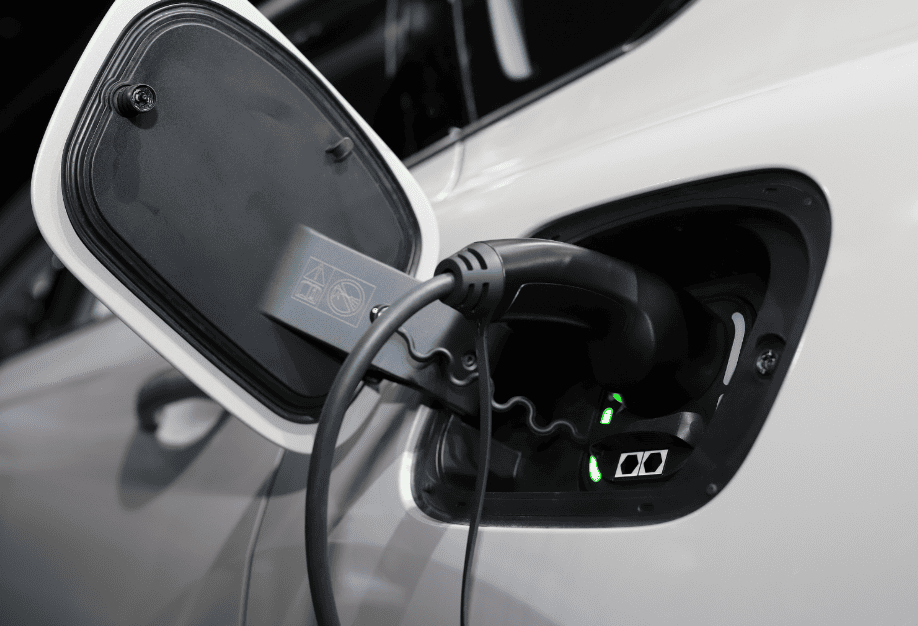
A Level 2 EV charging station utilizes alternating current (AC) electricity supplied at 208V to 240V. Compared with a standard Level 1 charger that operates from a typical 120V household outlet, Level 2 charging delivers substantially more power and significantly reduces charging times.
When an electric vehicle is connected to a Level 2 charger, electricity flows from the charging station to the vehicle. The vehicle's onboard charger then converts the incoming AC power into direct current (DC), which is required to charge the battery pack.
The charging process is carefully managed through communication protocols between the charger and the vehicle. These systems continuously monitor voltage, current, temperature, and battery conditions to ensure safe and efficient operation.
Unlike DC fast charging systems, which perform AC-to-DC conversion externally, Level 2 chargers rely on the vehicle's onboard charging equipment. This design keeps equipment costs lower while maintaining excellent charging performance for most daily driving needs.
One of the primary reasons for the popularity of Level 2 charging stations is their ability to replenish battery capacity much faster than standard outlets.
Charging performance varies depending on:
- Vehicle battery size
- Onboard charger capacity
- Charging station power output
- Battery state of charge
- Ambient temperature
Most residential Level 2 chargers provide power levels ranging from 3.3 kW to 11.5 kW, while commercial installations may offer up to 19.2 kW.
Typical charging speeds include:
Charger Power | Approximate Range Added per Hour |
3.3 kW | 10-15 miles |
6.6 kW | 20-30 miles |
7.2 kW | 25-35 miles |
11 kW | 35-50 miles |
19.2 kW | 50-70 miles |
For most electric vehicles, a Level 2 charger can fully recharge the battery overnight, making it highly suitable for daily commuting and routine transportation needs.
The charging process involves several coordinated steps:
The driver plugs the charging connector into the EV charging port. In North America, the J1772 connector is commonly used for Level 2 charging, while many regions utilize Type 2 connectors.
Before charging begins, the charger and vehicle establish communication. Smart charging systems may also perform user authentication through RFID cards, mobile apps, or network management platforms.
After safety checks are completed, the charging station begins supplying AC power to the vehicle.
The onboard charger converts AC electricity into DC electricity suitable for battery storage.
The vehicle's battery management system continuously regulates charging current and voltage to optimize battery health and performance.
Once the battery reaches the desired charge level, the charging session automatically stops.
This fully automated process ensures safe, efficient, and user-friendly operation.
Understanding the difference between AC and DC charging is essential when evaluating EV charging infrastructure.
Level 1 and Level 2 chargers deliver AC electricity directly to the vehicle.
Advantages include:
- Lower equipment costs
- Simpler installation
- Reduced maintenance requirements
- Greater compatibility with existing electrical infrastructure
- Ideal for long-duration parking
Because AC charging relies on the vehicle's onboard charger, charging speeds are limited by the vehicle's conversion capability.
DC fast chargers convert electricity externally before delivering it directly to the battery.
Advantages include:
- Extremely rapid charging
- Suitable for highway corridors
- Reduced charging times during long-distance travel
However, DC charging systems require:
- Higher capital investment
- Significant electrical infrastructure upgrades
- More complex installation
- Increased maintenance costs
For these reasons, Level 2 charging remains the preferred solution for the majority of daily charging applications.
Businesses considering EV charging installations often compare Level 2 and Level 3 charging solutions.
Level 2 chargers typically provide:
- Charging rates of approximately 12 to 80 miles per hour
- Full charging within 4 to 10 hours
- Lower installation costs
- Reduced utility demand charges
- Broad vehicle compatibility
Common installation locations include:
- Residential garages
- Apartment buildings
- Office parking lots
- Hotels
- Retail centers
- Educational institutions
Also known as DC fast chargers, Level 3 systems offer:
- Charging rates of 75 to over 1,000 miles per hour
- Battery replenishment in 20 to 60 minutes
- High-capacity power delivery
- Support for long-distance travel
Common installation locations include:
- Highway service stations
- Transit hubs
- Fleet depots
- Commercial fueling centers
While DC fast charging is essential for specific use cases, Level 2 charging is generally more cost-effective and practical for locations where vehicles remain parked for extended periods.
Home charging remains the most common method of EV charging worldwide.
A Level 2 charger installed at home offers numerous benefits:
Convenience
Drivers can charge overnight and begin each day with a full battery.
Time Savings
Charging times are significantly reduced compared to standard household outlets.
Cost Efficiency
Residential electricity rates are often lower than public charging fees.
Smart Energy Management
Many modern chargers allow users to schedule charging during off-peak utility periods.
Increased Property Value
As EV adoption grows, home charging infrastructure may become an increasingly desirable property feature.
For homeowners who drive regularly, a Level 2 charger often represents one of the most valuable EV-related investments.
Employers are increasingly installing Level 2 charging stations to support sustainability initiatives and employee satisfaction.
Workplace charging offers several advantages:
Employee Benefits
Charging access enhances convenience for EV-driving employees.
Recruitment and Retention
Charging amenities can help attract environmentally conscious talent.
Sustainability Goals
Charging infrastructure supports corporate environmental objectives.
Fleet Electrification
Organizations can charge company-owned electric vehicles during business hours.
Since employees typically park for eight hours or more, Level 2 charging provides ample time for meaningful battery replenishment.
Retail businesses and public venues increasingly recognize the value of EV charging infrastructure.
Popular locations include:
- Shopping centers
- Restaurants
- Hotels
- Entertainment venues
- Hospitals
- Airports
- Universities
Benefits include:
Increased Customer Dwell Time
Customers often spend more time at businesses while their vehicles charge.
Enhanced Brand Image
Charging stations demonstrate environmental responsibility.
New Revenue Streams
Operators may monetize charging services through usage fees.
Competitive Differentiation
Charging amenities can attract EV drivers who actively seek charging locations.
Level 2 chargers are particularly effective because they align well with the typical duration of customer visits.
Apartment complexes and condominiums represent one of the fastest-growing markets for EV charging infrastructure.
Residents without access to private garages often depend on shared charging facilities.
Level 2 charging solutions for multi-family housing provide:
- Dedicated resident charging
- Shared charging programs
- Billing and payment management
- Access control systems
- Energy monitoring capabilities
As EV ownership expands, charging availability is becoming a critical factor for renters and property buyers.
Modern Level 2 charging stations increasingly incorporate advanced connectivity features.
Smart charging capabilities include:
Remote Monitoring
Operators can track charger status and performance remotely.
Mobile Applications
Drivers can locate chargers, initiate sessions, and monitor charging progress.
Energy Management
Systems can optimize power consumption and reduce peak demand.
Load Balancing
Available power can be distributed dynamically across multiple chargers.
Software Updates
Remote firmware upgrades improve functionality and cybersecurity.
These features improve user experience while helping operators maximize efficiency.
Integration with Renewable Energy
Level 2 charging stations play an important role in renewable energy integration.
Solar-powered charging systems are becoming increasingly popular for:
- Residential installations
- Corporate campuses
- Parking structures
- Municipal facilities
Benefits include:
- Reduced grid dependence
- Lower operating costs
- Improved sustainability performance
- Enhanced energy resilience
When combined with battery energy storage systems, renewable-powered charging can further optimize energy usage and reduce peak electricity demand.
Successful deployment of Level 2 charging stations requires careful planning.
Key considerations include:
Electrical Capacity
Existing electrical infrastructure must support the desired charging load.
Site Layout
Charging spaces should be conveniently located and accessible.
Future Expansion
Infrastructure should accommodate anticipated growth in EV adoption.
Network Connectivity
Reliable communication is necessary for smart charging functions.
Regulatory Compliance
Installations must comply with local electrical codes and safety standards.
A comprehensive site assessment helps ensure long-term operational success.
The total cost of ownership for a Level 2 charging station includes several factors.
Equipment Costs
Prices vary based on power output, networking capabilities, and durability.
Installation Costs
Factors affecting installation expenses include:
- Electrical upgrades
- Distance from power sources
- Trenching requirements
- Permitting fees
Operating Costs
Ongoing expenses may include:
- Electricity consumption
- Network subscriptions
- Maintenance services
- Software licensing
Although costs vary significantly by project, Level 2 chargers remain substantially more affordable than DC fast charging systems.
Commercial fleets are rapidly transitioning toward electric vehicles.
Examples include:
- Delivery vans
- Service vehicles
- Municipal fleets
- Utility vehicles
- Corporate transportation fleets
Level 2 charging is particularly effective for fleets because vehicles often return to centralized locations overnight.
Benefits include:
- Predictable charging schedules
- Lower infrastructure costs
- Reduced fuel expenses
- Simplified maintenance operations
Fleet managers increasingly view Level 2 charging as the foundation of successful electrification programs.
Safety remains a top priority in EV charging design.
Modern charging stations incorporate:
Ground Fault Protection
Automatically disconnects power in fault conditions.
Overcurrent Protection
Prevents excessive current flow.
Temperature Monitoring
Detects overheating components.
Surge Protection
Protects equipment from electrical disturbances.
Weather Resistance
Outdoor-rated enclosures withstand harsh environmental conditions.
These protections ensure reliable operation for both users and equipment.
The EV charging industry continues to evolve rapidly.
Several trends are expected to shape future Level 2 charging deployments.
Higher Power AC Charging
New vehicle architectures are supporting faster AC charging rates.
Vehicle-to-Grid Integration
EVs may eventually supply electricity back to the grid during peak demand periods.
Artificial Intelligence
AI-powered energy management systems can optimize charging schedules and energy usage.
Expanded Smart Grid Integration
Charging stations will increasingly communicate with utilities to improve grid stability.
Enhanced User Experience
Improved mobile applications, payment systems, and interoperability will simplify charging access.
These innovations will further strengthen the role of Level 2 charging within global transportation networks.
Level 2 EV charging stations have become the backbone of modern electric vehicle infrastructure. They provide the ideal balance between charging speed, affordability, and ease of deployment, making them suitable for residential, commercial, workplace, public, and fleet applications.
While DC fast chargers serve an important role in long-distance travel and rapid charging scenarios, Level 2 chargers meet the vast majority of daily charging needs. Their compatibility with existing electrical infrastructure, relatively low installation costs, and growing smart charging capabilities make them an essential component of the global transition toward electric mobility.
As electric vehicle adoption continues to accelerate worldwide, Level 2 charging stations will remain a critical investment for homeowners, businesses, property developers, utilities, and governments seeking to support a cleaner, more sustainable transportation future.