
As modern lifestyles grow increasingly dependent on electronic devices, the demand for reliable and portable energy solutions has risen dramatically. Whether for outdoor adventures, emergency preparedness, or off-grid living, portable power stations have become an indispensable part of daily life. Compact, versatile, and eco-friendly, these devices serve as a convenient bridge between mobility and energy security.
Unlike traditional fuel-powered generators that rely on gasoline or diesel, portable power stations use rechargeable batteries to deliver quiet, clean electricity. They can charge smartphones, laptops, cameras, and even household appliances without producing harmful emissions or excessive noise. In this article, we’ll explore how portable power stations work, their internal components, how to choose the right one, and the differences between them and other portable power sources.
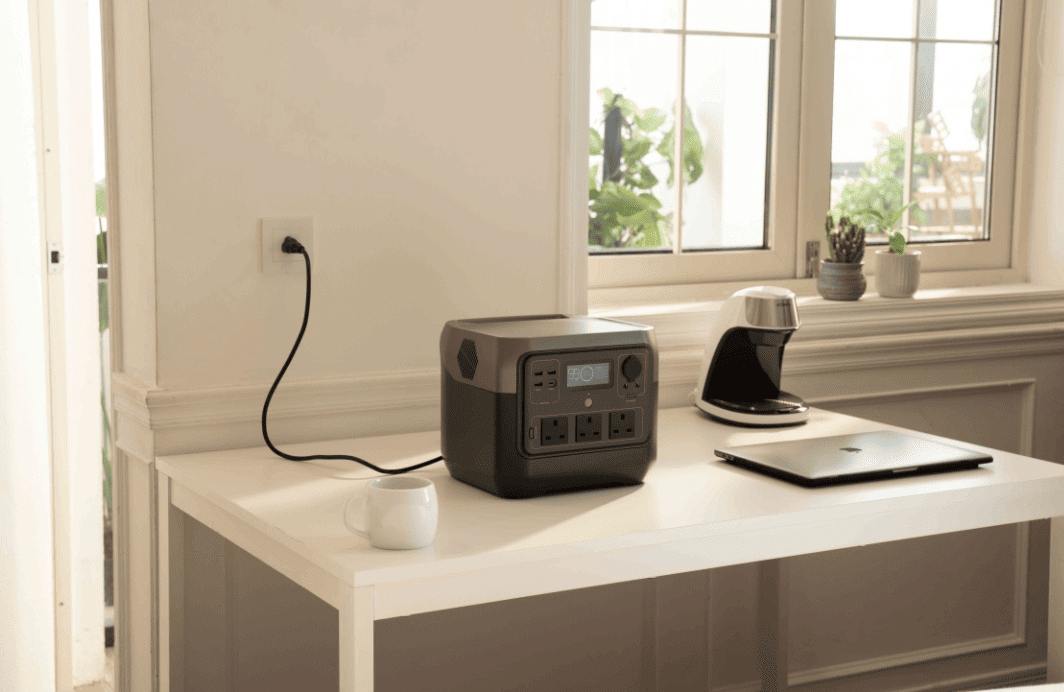
A portable power station is a self-contained energy storage unit that delivers electricity to various electronic devices and appliances. Often referred to as a battery generator or solar power station, it consists of a large-capacity rechargeable battery, an inverter, and multiple output ports.
Unlike traditional generators that depend on combustion engines, portable power stations store energy in lithium-ion or lithium iron phosphate (LiFePO₄) batteries. This allows them to operate quietly, cleanly, and efficiently—ideal for use indoors, at campsites, during road trips, or as backup power during emergencies.
These power stations can be charged using several sources, such as wall outlets (AC), car chargers (DC), or solar panels. Once charged, they deliver power through their outlets to run or recharge devices such as:
Smartphones, tablets, and laptops
Portable fans and lights
TVs and small refrigerators
Medical devices (e.g., CPAP machines)
Small heaters or air compressors
Essentially, portable power stations serve as a portable battery bank on a much larger scale, capable of powering everything from USB-powered devices to 120V appliances.
At their core, portable power stations rely on three main components:
Battery Pack – The energy storage system, usually based on high-capacity lithium-ion or LiFePO₄ cells. These batteries can store hundreds to thousands of watt-hours (Wh) of electricity.
Power Inverter – This component converts the stored DC (direct current) electricity into AC (alternating current), which is required by most household appliances.
Control System and Output Ports – The control system regulates voltage, monitors safety, and distributes power to various output ports such as AC sockets, DC carports, and USB connectors.
When you plug in a device, the portable power station's inverter activates and converts the DC energy from the battery into AC power. The inverter ensures that the electricity delivered is stable and safe for sensitive electronics, such as laptops or medical devices.
The power station's battery can then be recharged through multiple input options, including:
AC charging from a wall outlet
DC charging from a vehicle's 12V socket
Solar charging using portable solar panels
The internal management system also monitors battery temperature, charge level, and output, protecting the device from overcharging, short circuits, and overheating.

The power output of a portable power station determines what types of devices it can run and for how long. Power output is measured in watts (W), while the total energy storage is measured in watt-hours (Wh).
Portable power stations typically range from 150W to over 2,000W, depending on the model. Smaller models are perfect for mobile devices, while larger units can power mini-fridges, power tools, or even CPAP machines overnight.
Here's a rough guide to power requirements for common devices:
Smartphone: 2–6W
Laptop: 30–200W
Mini fridge: 150–250W
TV: 60–300W
Space heater: 750–1,500W
To determine what size power station you need, multiply the device wattage by the number of hours you intend to use it. For example, a 150W refrigerator running for 12 hours would require roughly 1,800Wh of capacity (150 × 12 = 1,800).
It's always best to choose a power station with a slightly higher capacity than your estimated need to account for energy losses during conversion.
The battery capacity is a key factor that determines how long your power station will last on a single charge. It's measured in watt-hours (Wh), which indicate how much energy can be stored and used before recharging.
You can estimate how long a portable power station will run your device using this formula:
Runtime (hours) = Battery capacity (Wh) ÷ Device power consumption (W)
For instance, if you use a 1,500Wh power station to run a 250W refrigerator, it can operate for roughly 6 hours (1,500 ÷ 250 = 6). Actual performance may vary depending on the inverter efficiency, which is typically around 85–90%.
Modern models use LiFePO₄ batteries, known for longer lifespans, better thermal stability, and over 3,000 charging cycles—making them a more durable and environmentally friendly choice compared to traditional lithium-ion cells.
One of the greatest advantages of portable power stations is their wide variety of output ports. A high-quality unit typically includes:
AC outlets for standard appliances
DC carports (12V) for automotive equipment
USB-A and USB-C ports for gadgets and mobile devices
Wireless charging pads for smartphones
RV or Anderson connectors for heavy-duty use
Before purchasing, list all the devices you plan to charge or run simultaneously. This will help you ensure that your power station includes sufficient output types and quantities. For instance, if you plan to charge multiple USB devices while powering a mini-fridge and a fan, you’ll need multiple USB ports and at least two AC sockets.
The more versatile the port configuration, the more useful the power station will be in different scenarios—whether camping, traveling, or during power outages.
Recharging flexibility is another essential consideration. Portable power stations can be charged in several ways:
AC Charging (Wall Outlet): The fastest and most common method, ideal for daily use.
DC Charging (Car Adapter): Convenient for road trips or when no AC source is available.
Solar Charging: The most sustainable option, allowing you to harness free, renewable energy from the sun.
USB-C and Expansion Ports: Some models include USB-C PD (Power Delivery) ports for high-speed charging or connectors for linking multiple power stations together.
If you plan to use your power station off-grid, look for a model that supports solar panel input. With compatible panels, you can recharge your unit during the day and use it at night—an excellent solution for outdoor enthusiasts or emergency preparedness.
Charging time depends on the battery capacity and the power of the charging source. For example, a 1,000Wh power station might take 8–10 hours to charge using a standard wall outlet, but only 4–5 hours with a higher-wattage AC adapter or dual input (AC + solar).
Solar charging efficiency depends on sunlight intensity and panel wattage. A 200W solar panel can fully recharge a 1,000Wh unit in about 6–8 hours under ideal conditions. Some power stations support maximum power point tracking (MPPT) technology, which optimizes solar input for faster and more efficient recharging.
Modern portable power stations come equipped with multiple layers of safety protection, managed by a Battery Management System (BMS). This system continuously monitors temperature, voltage, and current to ensure safe operation.
Common safety features include:
Overcharge and over-discharge protection
Short-circuit prevention
Overcurrent and overvoltage protection
Temperature control and automatic shutoff
These features ensure that both the power station and your connected devices remain safe, even under heavy loads or during extended operation.
Unlike gasoline generators, portable power stations produce zero emissions and operate silently. They eliminate the need for fossil fuels, reduce carbon footprints, and contribute to a cleaner environment.
When paired with solar panels, they become an entirely renewable energy system—ideal for sustainable living or eco-conscious travel. Their compact and lightweight design also reduces transportation energy use, making them a responsible alternative for modern consumers.
Portable power stations are highly versatile and can be used across a wide range of scenarios:
Outdoor Adventures: Perfect for camping, RV trips, hiking, or boating.
Emergency Backup: Provides essential power during blackouts, storms, or natural disasters.
Worksites: Powers electric tools, lighting, and equipment at remote locations.
Medical Use: Ensures continuous power for CPAP machines and medical monitors.
Travel and Events: Ideal for outdoor photography, filming, or music festivals.
Their adaptability makes them a valuable tool for anyone seeking freedom from traditional power grids.
The terms “portable power station” and “solar generator” are often used interchangeably, but they have subtle distinctions.
A portable power station stores electrical energy but doesn’t generate it independently. It must be recharged from an external power source such as AC, DC, or solar.
A solar generator, on the other hand, usually refers to a portable power station paired with solar panels. The panels generate electricity from sunlight and feed it into the station for storage.
Therefore, the key difference lies not in the device itself, but in the inclusion of solar charging capability. Many modern portable power stations are compatible with solar panels, effectively transforming them into solar generators when needed.
While both devices serve the purpose of charging electronics, they differ significantly in scale and functionality.
A power bank is designed mainly for small gadgets like smartphones or tablets, offering limited capacity (typically below 100Wh) and only USB outputs.
A portable power station, in contrast, can power large appliances such as televisions, fans, or even coffee makers. With capacities ranging from 300Wh to over 2,000Wh and multiple output options, they deliver far greater versatility.
In essence, a portable power station is a multi-outlet, high-capacity power hub, whereas a power bank is a single-purpose, compact charger.
Portable power stations represent a major step forward in mobile energy technology. Combining convenience, safety, and sustainability, they are reshaping the way people access electricity—whether at home, outdoors, or on the move.
Their ability to provide clean, silent, and renewable power makes them an ideal alternative to fuel-powered generators. With advancements in lithium battery technology and solar compatibility, portable power stations are becoming more powerful, affordable, and efficient than ever before.
Whether you’re preparing for emergencies, embarking on outdoor adventures, or seeking an eco-friendly energy solution, investing in a high-quality portable power station ensures that power is always within reach—anytime, anywhere.