
The global transition to electric vehicles (EVs) is accelerating at an unprecedented pace. Governments are tightening emissions regulations, automakers are expanding their electric lineups, and consumers are increasingly choosing EVs for their lower operating costs and environmental benefits. However, one challenge continues to shape the pace of adoption: charging speed. For many drivers, long charging times remain a key concern, particularly for long-distance travel and commercial fleet operations.
This is where ultra-fast EV chargers come into play. Also known as high-power DC fast chargers, ultra-fast chargers dramatically reduce charging times by delivering power levels far beyond conventional charging solutions. By enabling drivers to add hundreds of kilometers of range in minutes rather than hours, ultra-fast EV charging is redefining convenience, reshaping infrastructure planning, and pushing the electric mobility ecosystem toward mainstream adoption.
This article explores what ultra-fast EV chargers are, how they work, their benefits, technical challenges, real-world applications, and their role in shaping the future of transportation.
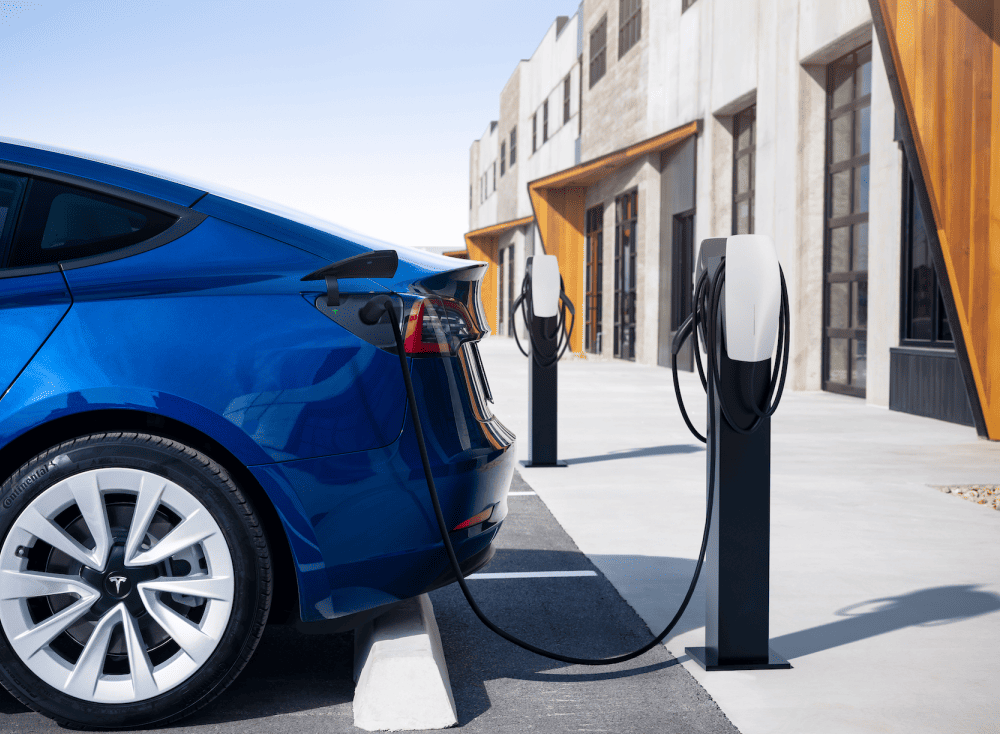
Ultra-fast EV chargers are direct current (DC) charging systems designed to deliver exceptionally high power—typically 150 kW, 250 kW, 350 kW, or even higher—directly to an EV's battery. Unlike AC EV chargers, which rely on a vehicle's onboard charger to convert power, DC fast chargers bypass this limitation and supply DC electricity straight to the battery pack.
In practical terms, an ultra-fast charger can charge an EV from 10% to 80% in 15–30 minutes, depending on the vehicle's battery capacity, charging architecture, and thermal management system. This makes ultra-fast charging particularly suitable for:
- Highway rest areas
- Urban fast-charging hubs
- Commercial fleet depots
- Taxi and ride-hailing operations
- Logistics and delivery fleets
As battery and charging technologies continue to evolve, ultra-fast chargers are becoming a cornerstone of modern EV infrastructure.
Ultra-fast EV chargers convert grid-supplied alternating current (AC) into high-voltage direct current (DC) using advanced power electronics. This DC power is then delivered directly to the vehicle's battery, eliminating the bottleneck imposed by onboard chargers.
Most ultra-fast chargers operate at voltages ranging from 400 V to 1000 V, with next-generation systems increasingly optimized for 800 V vehicle architectures. Higher voltage allows more power to be transferred with lower current, reducing heat generation and improving efficiency.
Modern ultra-fast chargers use advanced communication protocols (such as CCS, ISO 15118, and OCPP) to communicate with the vehicle. This ensures that charging power is dynamically adjusted based on:
- Battery state of charge (SoC)
- Battery temperature
- Maximum charging capability of the vehicle
- Grid availability
This intelligent power management protects battery health while maximizing charging speed.
The most obvious benefit of ultra-fast chargers is speed. Drivers can add 200–300 km of range in as little as 10–15 minutes, making EV charging comparable to refueling a conventional vehicle for many use cases.
Ultra-fast charging networks along highways and major corridors eliminate “range anxiety,” allowing EV drivers to confidently travel long distances without extended stops.
Because vehicles spend less time connected to each charger, ultra-fast stations can serve more vehicles per day, improving return on investment for operators.
Time is money for fleets. Ultra-fast charging minimizes vehicle downtime for taxis, buses, delivery vans, and logistics vehicles, enabling higher utilization rates and improved operational efficiency.
As EV battery sizes increase and adoption expands, ultra-fast charging ensures infrastructure keeps pace with demand.
Several connector standards support ultra-fast charging worldwide:
CCS is the most widely adopted ultra-fast charging standard in Europe and North America. It supports power levels up to 350 kW and is compatible with most modern EVs.
Originally popular in Japan, CHAdeMO supports high-power DC charging but is gradually being phased out in favor of CCS in many regions.
China's GB/T standard is evolving rapidly, with new ultra-fast charging specifications supporting higher voltages and power levels to meet the needs of its massive EV market.
Tesla's charging technology supports ultra-fast charging and is increasingly being adopted by other automakers in certain markets, further expanding interoperability.
Despite its advantages, ultra-fast charging comes with technical and operational challenges.
Ultra-fast chargers draw enormous amounts of power. A single 350 kW charger can consume as much electricity as dozens of households. Large charging hubs may require:
- Grid upgrades
- Dedicated transformers
- On-site energy storage systems
Managing peak demand is one of the biggest challenges for widespread ultra-fast charger deployment.
Ultra-fast charging stations are significantly more expensive than Level 2 chargers. Costs include:
- High-power equipment
- Civil engineering and electrical upgrades
- Cooling systems
- Utility connection fees
However, declining equipment costs and improved utilization are gradually improving economic feasibility.
Fast charging generates heat within the battery. Without advanced thermal management, repeated ultra-fast charging could accelerate battery degradation. Modern EVs mitigate this risk with liquid cooling systems and optimized charging curves.
Not all EVs can take full advantage of ultra-fast chargers. Charging speed depends on the vehicle's maximum acceptance rate and battery condition, meaning real-world performance can vary.
Ultra-fast chargers are critical for building national and regional EV highway networks. Strategically placed stations allow drivers to recharge quickly during long trips.
In dense urban areas where home charging may be limited, ultra-fast hubs provide convenient, rapid charging for apartment residents and city drivers.
Delivery companies, public transportation operators, and logistics providers rely on ultra-fast charging to keep vehicles on the road with minimal downtime.
Ultra-fast charging allows ride-hailing drivers to recharge during short breaks, maximizing daily driving hours.
As electric buses and trucks gain traction, ultra-fast charging becomes essential for supporting large batteries and demanding duty cycles.
To reduce grid stress and improve sustainability, many ultra-fast charging stations integrate:
Battery energy storage systems (BESS) to store electricity during off-peak hours
Solar canopies to generate renewable energy on-site
Smart energy management systems to balance load
These solutions help stabilize the grid, reduce operating costs, and align ultra-fast charging with clean energy goals.
Ultra-fast EV chargers operate with extremely high voltage and current levels, making safety and long-term reliability critical factors in their design and operation. To protect both users and equipment, modern ultra-fast charging systems are equipped with multiple layers of advanced safety technology. Overcurrent and overvoltage protection mechanisms help prevent electrical overloads and sudden power fluctuations that could damage vehicles or charging hardware. Ground fault detection systems continuously monitor electrical flow and immediately disconnect power if abnormal conditions are detected, reducing the risk of electric shock.
Effective thermal management is another key safety feature. Advanced liquid or air cooling systems regulate internal temperatures during high-power charging, preventing overheating and ensuring consistent performance. Chargers are also built with fire-resistant materials and reinforced enclosures designed to withstand harsh outdoor environments and extreme operating conditions.
In addition, remote monitoring and diagnostic systems allow operators to track charger status in real time, identify potential issues early, and perform predictive maintenance. Combined with regular inspections and strict compliance with international safety and quality standards, these measures ensure ultra-fast EV chargers deliver safe, reliable, and uninterrupted service throughout their operational lifespan.
Governments worldwide are actively supporting ultra-fast EV charging deployment through:
- Infrastructure subsidies and grants
- Public-private partnerships
- Mandates for highway charging coverage
- Incentives for fleet electrification
These policies are accelerating investment and helping build the backbone of next-generation EV infrastructure.
Research is already underway on megawatt-level charging, particularly for electric trucks and buses. This technology could enable full charging in under 20 minutes for heavy-duty vehicles.
Automatic authentication and billing will make charging as seamless as possible, eliminating apps and cards.
Artificial intelligence will optimize power distribution, predict demand, and reduce operational costs for charging operators.
Improved compatibility across regions and brands will enhance user convenience and accelerate adoption.
Ultra-fast EV chargers represent a critical milestone in the evolution of electric mobility. By dramatically reducing charging times and enabling long-distance travel, they address one of the most significant barriers to EV adoption. While challenges related to grid capacity, cost, and battery management remain, ongoing technological advancements and supportive policies are rapidly overcoming these obstacles.
As ultra-fast charging networks expand across highways, cities, and commercial hubs, they are transforming how drivers perceive electric vehicles—from a niche alternative to a practical, convenient, and future-ready transportation solution. In the coming years, ultra-fast EV chargers will not only support the growing EV market but also play a central role in building a cleaner, smarter, and more sustainable mobility ecosystem.