
The global shift toward electric vehicles (EVs) is no longer a future prediction—it is a rapidly unfolding reality. Governments, automakers, and energy providers are investing heavily in cleaner transportation, and consumers are increasingly embracing electric cars for their efficiency, environmental benefits, and long-term cost savings. At the heart of this transformation lies one critical factor: electric car charging.
As more drivers switch from internal combustion engines to battery-powered vehicles, the demand for reliable, accessible, and fast charging infrastructure is growing at an unprecedented pace. Electric car charging is not just about plugging in a vehicle; it is about building an ecosystem that supports sustainable mobility, smart energy use, and the evolving needs of cities, businesses, and households.
This article explores the current state of electric car charging, the technologies shaping the market, infrastructure expansion, challenges, and future trends that will define how drivers power their vehicles in the years ahead.
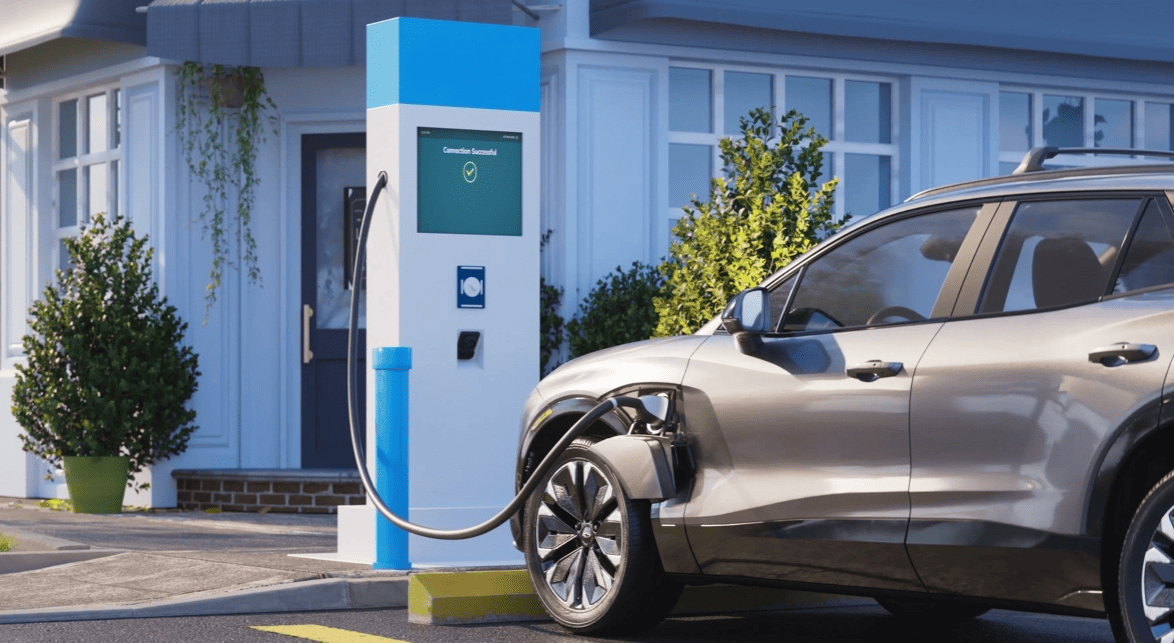
Electric vehicles are only as practical as the charging networks that support them. While EV technology has made remarkable strides in driving range, performance, and affordability, charging availability remains one of the most decisive factors influencing adoption.
In the early days of EVs, limited public charging and slow charging speeds discouraged many potential buyers. Today, however, electric car charging has become a global priority. Governments are setting ambitious targets for carbon neutrality, automakers are electrifying entire product lines, and utility companies are modernizing grids to accommodate growing electricity demand from vehicles.
Charging infrastructure is now seen as a cornerstone of sustainable transportation. It connects renewable energy sources to vehicles, reduces dependence on fossil fuels, and enables a cleaner, more efficient transportation system. For drivers, reliable charging means confidence—confidence that they can travel long distances, commute daily, and integrate EVs seamlessly into their lives.
Electric car charging is typically categorized into three main levels, each designed for different use cases:
Level 1 charging uses a standard household outlet (typically 120V in North America). It requires no specialized equipment and is often included with the vehicle. However, charging speeds are slow—adding only about 3–5 miles of range per hour.
While Level 1 charging is suitable for drivers with short daily commutes or overnight home charging, it is generally insufficient for frequent long-distance driving. Still, it remains an entry-level solution that makes EV ownership accessible to many first-time users.
Level 2 charging operates on higher voltage (usually 240V) and requires a dedicated charging unit. It is the most common option for residential installations, workplaces, and public charging stations.
With Level 2 chargers, drivers can typically gain 20–40 miles of range per hour, allowing most EVs to fully recharge overnight. This balance of speed, affordability, and practicality has made Level 2 charging the backbone of modern electric car charging infrastructure.
DC fast charging, also known as Level 3 charging, delivers direct current (DC) power at much higher voltages. These chargers can replenish 80% of an EV battery in as little as 20–40 minutes, depending on vehicle compatibility and charger capacity.
DC fast chargers are strategically placed along highways, in urban centers, and at transportation hubs to support long-distance travel and quick top-ups. While more expensive to install and operate, they are essential for eliminating range anxiety and making EVs viable for road trips and commercial fleets.
The rapid growth of EV adoption has spurred massive investment in charging infrastructure across the globe. Governments are funding national charging networks, private companies are deploying public stations, and automakers are partnering with energy providers to build seamless charging ecosystems.
Public charging networks have expanded dramatically in recent years. Major charging operators are rolling out thousands of new stations annually, focusing on urban areas, highways, and high-traffic destinations such as shopping centers, hotels, and office complexes.
Interoperability is also improving. Many networks now offer roaming agreements, allowing drivers to access multiple charging providers with a single app or RFID card. This integration is crucial for simplifying the user experience and encouraging widespread EV adoption.
Home charging remains the most convenient and cost-effective solution for most EV owners. As residential charging equipment becomes more affordable and easier to install, an increasing number of homeowners are investing in Level 2 chargers.
Smart home integration is further enhancing residential charging. Drivers can schedule charging during off-peak hours, monitor energy consumption, and even integrate solar panels and battery storage to reduce costs and environmental impact.
Employers and businesses are recognizing the value of offering workplace charging. It not only supports employees who drive EVs but also enhances corporate sustainability initiatives and brand reputation.
Retailers, hospitality providers, and property developers are also adding charging stations to attract customers and tenants. Charging infrastructure is increasingly seen as an essential amenity, similar to Wi-Fi or parking.
As electric car charging becomes more widespread, managing energy demand is a critical challenge. Large-scale EV adoption places additional load on power grids, particularly during peak hours. This is where smart charging technologies come into play.
Smart chargers can communicate with vehicles, energy providers, and grid systems to optimize charging based on electricity prices, grid capacity, and renewable energy availability. Features include:
- Time-of-use scheduling: Charging when electricity is cheapest or when renewable energy is most abundant.
- Load balancing: Distributing power across multiple chargers to prevent overload.
- Demand response: Reducing or pausing charging during peak grid demand.
- Remote monitoring and control: Managing charging sessions via mobile apps or cloud platforms.
By integrating smart charging, utilities can maintain grid stability, and consumers can reduce costs while minimizing their environmental footprint.
Electric car charging plays a pivotal role in the transition to renewable energy. When paired with solar, wind, or other clean energy sources, EVs become truly zero-emission transportation.
Residential and commercial solar installations are increasingly being combined with EV chargers. Homeowners can charge their vehicles using energy generated on their rooftops, while businesses can use solar carports to provide shaded parking and clean charging simultaneously.
One of the most promising developments in electric car charging is vehicle-to-grid (V2G) technology. V2G allows EVs to not only draw energy from the grid but also return stored energy when needed.
In this model, electric vehicles become mobile energy storage units. During periods of high demand, aggregated EV batteries can supply power back to the grid, helping stabilize energy supply and reduce reliance on fossil fuel power plants. While still in early stages, V2G represents a powerful synergy between transportation and energy systems.
A key challenge in electric car charging has been the diversity of charging standards and connector types. Different regions and manufacturers have historically adopted varying technologies, creating complexity for drivers and infrastructure providers.
Common charging connectors include:
- Type 1 and Type 2 (AC charging): Widely used in North America, Europe, and many international markets.
- CCS (Combined Charging System): A popular standard for DC fast charging, supported by many automakers.
- CHAdeMO: An early DC fast charging standard still in use in some markets.
- Tesla connectors: Proprietary systems, although Tesla is increasingly opening its network to other brands in some regions.
Efforts toward standardization are gaining momentum. Governments and industry groups are encouraging uniform standards to simplify charging experiences and reduce infrastructure costs. Compatibility and universal access will be essential for scaling electric car charging globally.
The electric car charging sector has become a major economic driver, creating opportunities across manufacturing, construction, software development, and energy services.
From charger manufacturing to installation and maintenance, the charging industry supports thousands of jobs worldwide. Infrastructure projects require electricians, engineers, planners, and IT specialists, contributing to both urban and rural economies.
Charging network operators are developing diverse business models, including:
- Pay-per-use public charging
- Subscription-based access plans
- Advertising and data services
- Partnerships with retailers and real estate developers
As utilization increases, electric car charging is evolving into a sustainable, profitable industry rather than a subsidized service.
Despite rapid progress, several challenges remain:
In many regions, particularly rural areas and developing markets, charging coverage is still limited. Bridging this gap requires coordinated public and private investment.
Large-scale EV adoption places new demands on electrical grids. Without upgrades and smart management, localized overloads can occur, especially in densely populated areas.
While fast charging has improved significantly, charging still takes longer than refueling a gasoline vehicle. Advances in battery chemistry and ultra-fast charging technologies are essential for further reducing charging times.
Upfront costs for installing home chargers or building public infrastructure can be significant. Ensuring equitable access to charging—especially for apartment dwellers and low-income communities—is a growing concern.
Governments worldwide are implementing policies to accelerate the deployment of electric car charging infrastructure. These include:
- Subsidies and tax credits for home and commercial charger installations
- Public funding for national charging networks
- Building codes requiring EV-ready infrastructure in new developments
- Zero-emission mandates encouraging automakers to transition to electric fleets
Such policies are instrumental in reducing barriers to adoption and ensuring that charging infrastructure keeps pace with vehicle growth.
Automakers are no longer just vehicle manufacturers—they are becoming active players in the charging ecosystem. Many brands are investing in charging networks, developing proprietary charging solutions, and integrating charging services into vehicle software.
In-car navigation systems now provide real-time information on charging station availability, pricing, and charging speeds. Over-the-air updates improve charging efficiency, and partnerships with network operators enhance user convenience.
By taking ownership of the charging experience, automakers are helping remove one of the last major obstacles to mass EV adoption.
The future of electric car charging will be shaped by technological innovation, policy support, and changing consumer behavior. Key trends include:
Next-generation chargers capable of delivering 350 kW or more will dramatically reduce charging times, bringing them closer to traditional refueling experiences.
Inductive wireless charging systems, which allow vehicles to charge without physical cables, are being tested for residential, public, and even in-road applications. This technology could make charging more convenient and accessible.
As autonomous vehicles emerge, automated charging systems—robotic connectors, self-parking into charging bays, or dynamic charging lanes—will become increasingly important.
Electric car charging will become part of broader smart city infrastructure, integrating with public transportation, shared mobility services, renewable energy grids, and digital payment platforms.
Electric car charging is no longer a supporting feature of electric vehicles—it is a defining pillar of modern mobility. From residential garages to highway fast chargers, from solar-powered stations to smart grid integration, charging infrastructure is shaping how society moves, consumes energy, and addresses climate change.
As technology advances and investment continues, electric car charging will become faster, smarter, and more accessible. The challenges of today—grid capacity, infrastructure gaps, and standardization—are being met with innovation, collaboration, and policy support.
For consumers, businesses, and governments alike, the expansion of electric car charging represents more than just convenience. It symbolizes a commitment to cleaner transportation, resilient energy systems, and a sustainable future. As the world accelerates toward electrification, the ability to charge efficiently, reliably, and responsibly will power not only vehicles—but the next era of global mobility.
