
Electric vehicles (EVs) are at the forefront of a global transformation in transportation. As climate goals tighten and nations push to reduce carbon emissions, EV adoption is accelerating at an unprecedented pace. With millions of electric cars hitting roads every year, the infrastructure that supports them must evolve just as rapidly. Central to this evolution is the smart EV charger—a technology that is redefining how drivers power their vehicles and how energy systems operate.
What was once a simple plug‐and‐charge process has advanced into an intelligent, connected ecosystem powered by software, cloud communications, smart grid integration, renewable energy management, and automation. Smart EV chargers are no longer optional add-ons; they are a necessary foundation for the future of electric mobility. They help stabilize power grids, improve user convenience, reduce charging costs, enable safer charging, and support the widespread use of renewable energy.
This expanded news article takes an in-depth look at smart EV chargers, their capabilities, how they operate, how they benefit users and energy providers, and why they are playing a key role in shaping the next era of transportation.
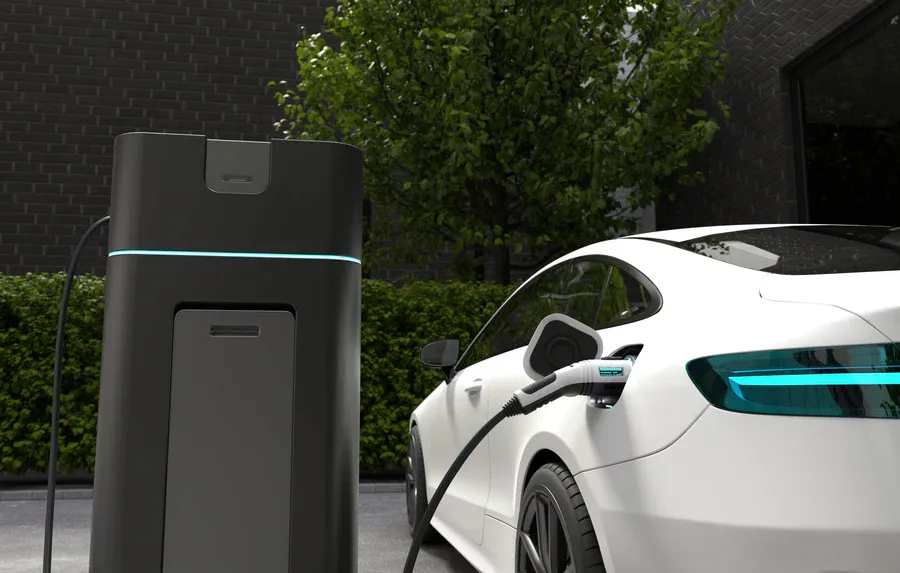
A smart EV charger is an advanced charging system that uses digital intelligence, sensors, and real-time cloud connectivity to optimize the charging process. While traditional chargers simply deliver power to a vehicle, smart chargers actively manage when, how fast, and from which energy source the vehicle charges.
They combine hardware, network modules, and software to deliver a highly controlled, efficient, and optimized charging experience. Central to their design are features such as remote monitoring, automation, energy analytics, load balancing, solar prioritization, and integration with energy management systems.
Smart chargers connect to a mobile app or cloud portal, giving users real-time control over their charging sessions. Drivers can:
- Start or stop charging remotely
- Adjust charging current
- Monitor charging progress
- Check electricity consumed and cost
- View historical charging data
- Receive notifications when charging is complete
This convenience is especially valuable for busy households and commercial settings with multiple EVs.
Load balancing is essential for preventing electrical overload. When multiple appliances or EVs share a single power supply, power distribution becomes critical. Smart chargers automatically:
- Distribute available power among devices
- Reduce charging speed during peak home usage
- Boost charging when demand is lower
- Balance loads across multiple chargers in workplaces
This eliminates the need for expensive electrical panel upgrades, saving users significant installation costs.
One of the fastest-growing trends in EV adoption is the use of renewable energy to power vehicles. Smart EV chargers can detect the presence of solar energy and automatically prioritize it.
This helps users:
- Maximize clean energy utilization
- Reduce grid dependency
- Lower carbon emissions
- Cut utility bills dramatically
When paired with battery energy storage systems (BESS), smart chargers can store daytime solar power and release it during the night, creating a closed-loop sustainable charging cycle.
Smart chargers often support the Open Charge Point Protocol (OCPP), a global standard that ensures chargers can communicate with various management platforms.
Benefits include:
- Seamless updates
- Flexibility to switch networks
- Long-term compatibility
- Ability to connect with smart grid systems
This ensures the charger stays relevant even as software and energy regulations evolve.
Smart EV chargers operate through a sophisticated combination of hardware sensors, power electronics, cloud software, and communication protocols. Together, these components ensure charging is efficient, safe, and in harmony with grid conditions.
Below are the main operational elements of smart charging:
Electricity prices fluctuate throughout the day. In most regions, electricity is cheaper during off-peak hours—usually late at night. Smart chargers allow users to schedule charging sessions during these times. This lowers charging cost per kilometer and helps stabilize the grid by spreading out demand.
Drivers simply set their preferred charging time through the app, and the charger automatically begins the process.
Commercial charging operators, fleet managers, and homeowners can control the charger remotely. They can:
- Lock the charger to prevent unauthorized use
- Adjust maximum current
- Change user access permissions
- Troubleshoot issues remotely
Automation simplifies operations and reduces the need for on-site staff in commercial settings.
Smart chargers gather and analyze detailed data, including:
- Energy consumed per session
- Total costs
- Charging duration
- Time-of-use patterns
- Carbon footprint reduction
- Solar vs. grid consumption
This data helps users understand their energy habits and optimize future decisions.
In advanced smart grid regions, utilities can send signals to chargers to optimize power usage. For example:
- During high demand, the charger may reduce its speed temporarily
- During low demand, it may automatically increase charging speed
- During renewable energy surges, it may prioritize charging
This contributes to grid stability and reduces risk of blackouts.
Smart charging sessions involve several coordinated steps that ensure correct payment, safe operation, efficient power distribution, and seamless user experience.
Before charging begins, users identify themselves through methods such as:
- Mobile app sign-in
- RFID cards
- QR code scanning
- Credit/debit card for guest access
This links the charging event to the correct user and ensures accurate billing.
After identification, the system checks:
- User account status
- Payment method
- Charger availability
- Vehicle compatibility
Then the charger authorizes the session.
The charging price may be determined by:
- Time of day
- Charging speed
- Membership plan
- Station owner's pricing model
All financial transactions are processed automatically and securely.
During the session, the smart charger:
- Communicates with the EV
- Monitors voltage and current
- Adjusts charging rate as needed
- Performs safety checks
- Records energy usage
If load increases elsewhere in the home or facility, smart chargers automatically respond.
Users can track:
- Charging speed
- Estimated time to finish
- Total cost
- Battery percentage
Automatic notifications are sent if the session is interrupted or completed.
Once the EV reaches full charge, the charger stops supplying electricity and sends a completion notification. Public charger users may be prompted to unplug to avoid idle fees.
Smart EV chargers deliver a host of advantages that benefit individual users, commercial facilities, and energy grids. These benefits extend far beyond the basic function of powering a car.
Off-Peak Charging
Smart chargers allow users to automatically charge when electricity is cheapest, reducing total energy costs significantly.
Solar and Renewable Energy Integration
Using solar power for EV charging reduces:
- Long-term utility bills
- Grid reliance
- Environmental impact
Load Balancing To Avoid Electrical Upgrades
By managing electrical loads intelligently, smart chargers minimize or eliminate the need for costly panel upgrades.
Smart EV chargers offer a highly intuitive and convenient charging experience. Drivers can:
- Control charging from their phones
- Monitor charging progress in real time
- Troubleshoot remotely
- Schedule sessions automatically
- Access detailed statistics
This makes EV ownership smoother and more enjoyable.
Safety is a top priority for smart chargers. Key safety features include:
- Temperature monitoring
- Ground fault protection
- Surge and short-circuit protection
- Protection against grid overload
- Voltage and current stabilization
Before charging begins, the system checks all electrical connections to ensure safe operation.
Because they support cloud updates and OCPP, smart EV chargers remain compatible with:
- New EV models
- Updated software
- Advanced grid programs
- New regulations
This ensures that owners do not need to replace hardware frequently.
Smart chargers provide essential features for businesses:
- User access control
- Automatic billing
- Real-time monitoring
- Fleet scheduling tools
- Energy optimization across multiple chargers
They also help reduce operational costs by identifying inefficient charging habits or system faults early.
Smart EV chargers are not just a convenience—they are a fundamental part of the global energy transition. Their ability to modify charging based on grid conditions makes them a powerful tool for:
- Reducing grid stress
- Increasing renewable energy usage
- Encouraging off-peak demand
- Supporting vehicle-to-grid (V2G) innovations
- Improving overall energy efficiency
As more EVs enter the market, the need for intelligent charging becomes even more critical.
The future of smart EV charging is rapidly evolving. In the coming years, we can expect:
EVs will be able to return energy back to the grid during peak demand, transforming them into mobile energy storage units.
AI will predict user patterns, optimize energy distribution, and minimize costs even further.
Smart chargers will be part of interconnected smart homes that automate everything from heating to lighting and EV charging.
Smart chargers will adapt dynamically to high-power DC charging networks as technology advances.
Homes and businesses will increasingly rely on solar or hybrid energy systems paired with smart chargers for cost-efficient charging.
Smart EV chargers are transforming the charging landscape, delivering unmatched convenience, safety, energy efficiency, and cost savings. They represent the next logical step in EV infrastructure, enabling a more connected, sustainable, and intelligent transportation future.
As global EV adoption accelerates, smart charging solutions will play a critical role in ensuring energy stability, reducing carbon emissions, and empowering users with full control over their charging experience.
Smart chargers are not simply an improvement—they are a revolution in how people power their vehicles and how energy systems interact with the world around them.